
Lieferung heute & morgen

Qualitätsgarantie

Willkommens-Angebote freischalten: KOSTENLOSE Lieferung | Bis zu 80 % RABATT | Kostenlose 30-Tage-JoyPlus-Testphase
App herunterladen
A magnetic car phone mount can make navigation easier and keep your smartphone within easy reach. In practice, however, its everyday usefulness depends less on the "strong magnet" marketing promise and more on the mounting surface, device weight, and the right position in your vehicle. If you check these points before buying, you'll avoid unnecessary repeat purchases.
A universal smartphone mount usually only works reliably if your smartphone or protective case is fitted with a metal plate, a magnetic ring, or a compatible magnetic system. Very thick, heavily rubberised, or metallic cases can weaken the connection. With MagSafe models, you also need to check whether the mount is actually MagSafe-compatible or simply requires an additional magnetic ring.
A dashboard phone mount needs a clean, flat, and sufficiently smooth surface. Textured or heavily curved dashboards can reduce the adhesion of a sticky pad. An air vent phone mount is compact, but depending on the vent shape and smartphone weight, it can put strain on the slats. A suction cup car phone mount, on the other hand, requires a suitable, preferably smooth, surface.
A 360-degree car phone mount can be adjusted in many ways, but it must not obstruct your field of vision, airbags, steering wheel, pedals, or controls. You should adjust the position before you start driving. Do not operate the smartphone or readjust the mount while driving.
For adhesive mounts, preparation is key:
A magnetic car mount with a sticky pad is particularly suitable for users who prefer a fixed position on the dashboard. If you don't want to risk any sticky residue, you can choose a mount for the air vent, the rear seat, or a suitable suction cup surface.
Check whether your smartphone attaches magnetically directly, or whether a metal plate or magnetic ring is required. The key factors are:
A metal plate should be positioned so that it does not interfere with wireless charging. For very large devices, a classic smartphone mount with clamping arms may be more suitable than a small magnetic base.
The mount should be positioned so that the road and important displays remain visible. Air vents can be partially blocked by the mount. Direct sunlight and intense heat can affect the adhesion of sticky pads. Also, keep magnets away from sensitive magnetic data storage devices and cards. For medical implants, follow the instructions from the manufacturer of the implant; no medical effect or compatibility can be inferred from the product data.
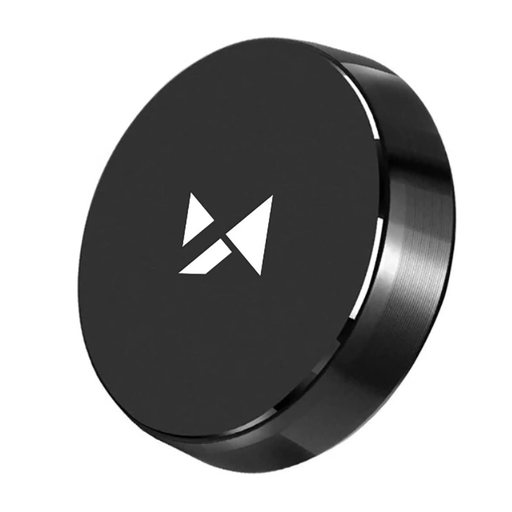
Why this product suits the profile: This compact adhesive mount is designed for users looking for a simple solution for a flat dashboard surface.
The product data explicitly mentions mounting on flat surfaces and the need for a metal plate or compatible case.
Diameter 32 mm, thickness 8 mm; grip and metal plate are included according to the product description.
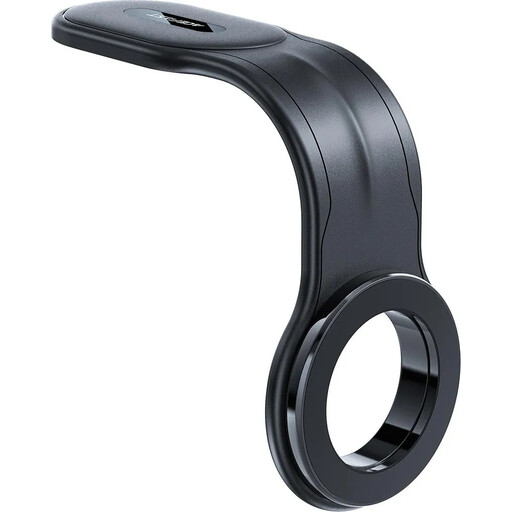
Why this product suits the profile: This model combines a dashboard mount with a flexible arm and is ideal for commuters and frequent drivers who regularly use navigation.
Mounting is on a clean, flat surface; the flexible positioning helps avoid obstructing your view due to awkward angles.
TPU and aluminium construction, flexible arm with memory function, and a stated weight of 0.165 kg.
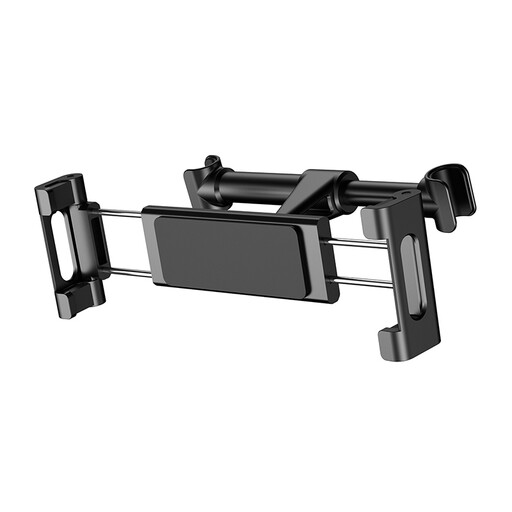
Why this product suits the profile: Families and rear-seat passengers can attach a smartphone or tablet to the headrest without taking up dashboard space.
It attaches via a buckle to the headrest, so there is no need to choose a suitable adhesive or vent surface.
Suitable for mobile phones and tablets from 4.7 to 12.9 inches; materials: aluminium alloy, plastic, and silicone.
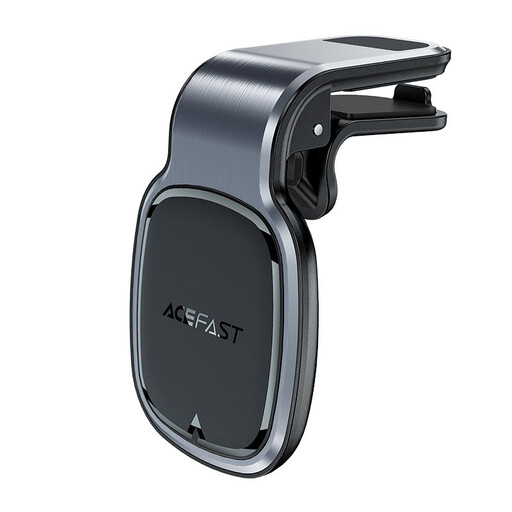
Why this product suits the profile: The clip-on air vent mount is space-saving and can be attached without a sticky pad.
According to the product details, this model does not rely on MagSafe. However, you should still check whether the vent slats can support the weight before use.
360-degree rotation, universal vent clip, and ABS-metal construction.
We have put together a complete, regularly updated list of products that fully meet these strict selection criteria and the safety regulations in force in the EU.
No. That depends on the magnetic ring, metal plate, protective case, and device weight. Before buying, you should check whether your smartphone is directly compatible or whether an accessory is needed. With a new setup, we recommend a quick hold test in a stationary vehicle.
An adhesive mount is suitable for a clean, flat, and dry surface. On textured surfaces, adhesion may be weaker. An air vent mount requires suitable and sturdy slats, while a suction cup mount needs a suitable smooth surface.
It is not possible to give a fixed lifespan. Temperature, sunlight, cleaning, device weight, and repeated repositioning all affect adhesion. If the mount becomes loose, do not continue using it while driving, and replace the sticky pad according to the manufacturer's instructions.