
Lieferung heute & morgen

Qualitätsgarantie

Willkommens-Angebote freischalten: KOSTENLOSE Lieferung | Bis zu 80 % RABATT | Kostenlose 30-Tage-JoyPlus-Testphase
App herunterladen
The introduction of ProRes video recording on the iPhone 15 Pro and newer models has transformed mobile video production. However, it also presents a challenge for users: the massive file sizes can fill up internal storage in no time. Recording directly to an external drive is the logical solution. A magnetic external SSD offers a particularly elegant and stable solution for mobile workflows.
This article serves as a guide. It explains the key criteria for selecting a suitable external SSD and presents various models tailored for different use cases—from professional ProRes video recording to rapid data backups for power users.
Choosing the right external storage depends on technical specifications that must align with your individual needs. Here are three key points that should influence your decision.
Speed is crucial, especially when working with large files. Pay attention to the USB interface:
Ensure the SSD is compatible with your devices. For use as external storage for iPhone 15 series models and later, a USB-C connection is mandatory. A magnetic attachment compatible with the iPhone's MagSafe system ensures a secure hold without any extra mounts—ideal for filming on the move. Also, check if the SSD works with other devices like laptops, tablets, or gaming consoles (e.g., PS5) to maximize its versatility.
ProRes files are very large. One minute of 4K video at 60 fps can consume several gigabytes of storage. A fast 1TB portable SSD is therefore a good starting point for regular video projects. For professional users, 2TB or more may also be a worthwhile investment. Since mobile SSDs are often used on the go, a durable build, shock resistance, and low weight are important features for longevity and data protection.
Based on the criteria mentioned, we have compiled a selection of products that cover different needs.
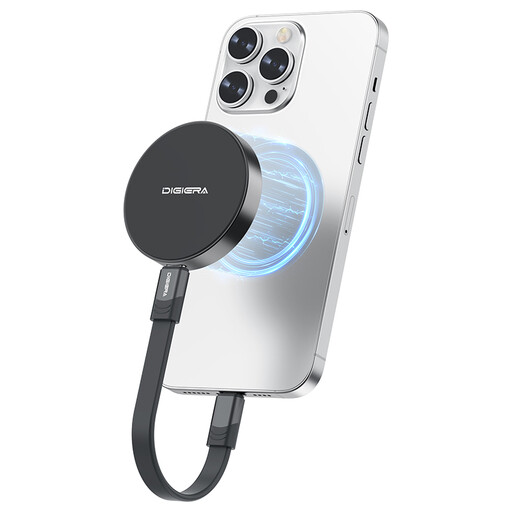
Why It Stands Out This model is specifically designed for mobile use with the iPhone 15/16 Pro. The magnetic mount allows for a direct and stable attachment to the smartphone, which significantly simplifies filming on the go. With its USB 3.2 Gen 2x2 interface, it delivers extremely high transfer rates suitable for even the most demanding PC workflows.
Pros:
Who Is It For? Ideal for content creators and videographers looking for a high-performance and perfectly integrated external SSD for iPhone 15 Pro or newer models. Also great for tech professionals who need maximum mobile speed for data transfers between different devices.
View more details on the DigiEra 1TB Magnetic SSD
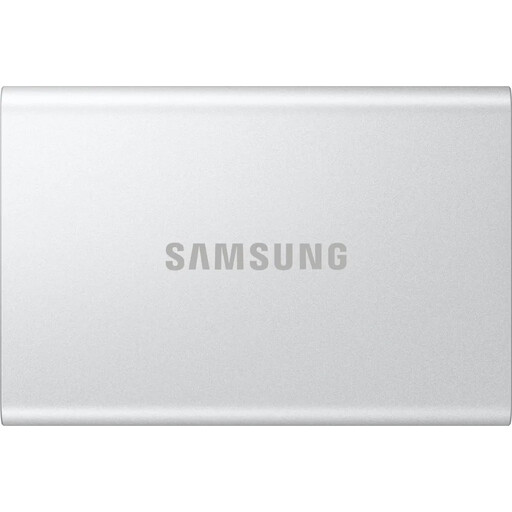
Why It Stands Out The Samsung T7 series is an established standard for portable SSDs. The "Resurrected" model combines proven performance with a housing made of 100% recycled aluminum. It offers solid speed via its USB 3.2 Gen 2 interface and added security through optional hardware encryption.
Pros:
Who Is It For? Users looking for a versatile, secure, and reliable all-around SSD for use with various devices like laptops, tablets, and cameras. It's an excellent choice for anyone who values data security and a durable build.
View more details on the Samsung T7 Resurrected 1TB
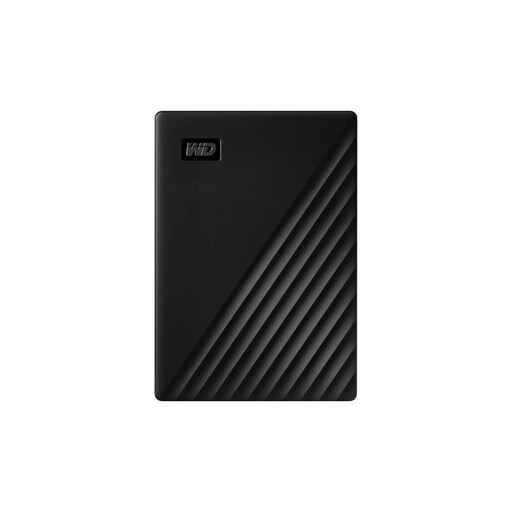
Why It Stands Out This model is a classic mechanical hard drive (HDD), not an SSD. It is listed here as an alternative for use cases where storage capacity for the price is the priority, rather than maximum speed.
Pros:
Who Is It For? Users who need a cost-effective solution for backing up large amounts of data, such as photo libraries, document archives, or media collections. It is not suitable for direct ProRes video recording or other high-performance tasks, but it is a solid choice for backups.
View more details on the WD My Passport 1TB
The products featured here cover specific use cases. If you haven't found the right model for your needs or are looking for different capacities and brands, it's worth exploring our wider selection.
In our USB 3.0 Hard Drives category, you'll find a larger selection of external storage solutions that cater to various needs and budgets.
No, not every SSD is suitable. Recording ProRes video requires a consistently high write speed. The iPhone tests the drive's performance before recording. As a rule, you need an SSD with a sustained write speed of at least 220 MB/s and a USB-C cable that supports data rates of at least 10 Gbps.
Technologically, both are based on the same flash memory. However, a magnetic external SSD has built-in magnets compatible with the iPhone's MagSafe system. This allows it to attach directly to the back of the device, creating a very stable and cable-friendly setup for mobile filming.
That depends on your devices. To achieve the maximum speed of a Gen 2x2 SSD (up to 20 Gbps), both the SSD and your computer must support the USB 3.2 Gen 2x2 standard. While a Gen 2x2 SSD will work with an iPhone 15 Pro, its speed will be throttled to the iPhone's 10 Gbps (USB 3.2 Gen 2) limit. However, it can be a future-proof investment if you also plan to use it with a compatible PC.