
Lieferung heute & morgen

Qualitätsgarantie

Willkommens-Angebote freischalten: KOSTENLOSE Lieferung | Bis zu 80 % RABATT | Kostenlose 30-Tage-JoyPlus-Testphase
App herunterladen
As a Joybuy Product Recommendation Officer, I see daily how users face a challenge when choosing a protective case for their new premium smartphone. The market is flooded with products that make bold claims. Yet, not every MagSafe case delivers on its promise. Before you make a decision, it's crucial to know the most common pitfalls that lead to disappointment and unnecessary expenses.
The 3 Most Common Mistakes When Buying a MagSafe Case:
A well-thought-out choice not only protects your device but also ensures you can leverage the full potential of the magnetic ecosystem.
To make an informed decision, you should focus on a few critical technical features. These define the quality and longevity of a case.
The heart of every MagSafe case is the integrated case with a magnetic ring. Its function goes beyond simply holding accessories.
The protection of your device depends directly on the material and construction of the case.
A case is only as good as its fit. This is particularly true for models like the iPhone 16 Pro Max case or the Samsung S26 Ultra case. Precise cutouts for ports, speakers, microphones, and cameras are essential. Furthermore, the design should respect the original aesthetics of the device rather than hiding them.
Based on these criteria, we have identified some products that represent a suitable solution for specific requirement profiles.
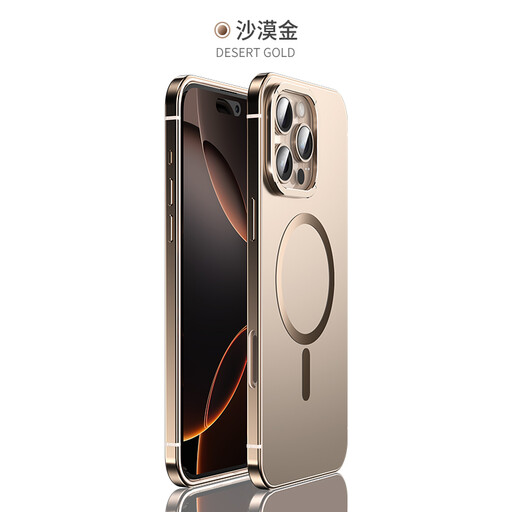
Why This Fits Their Persona: This user has chosen a premium smartphone like the iPhone 16 Pro Max and doesn't want to hide its design and color under a bulky case. Protection is important, but aesthetics come first.
The case avoids the "wrong compromise on protection" pitfall. Instead of thick plastic, it uses a slim yet robust metal alloy frame that absorbs shocks. The color is matched to the device's original color, preserving its high-end look.
Offers a combination of drop protection from the metal frame and an aesthetic true to the original design. The integrated MagSafe ring ensures full compatibility with accessories.
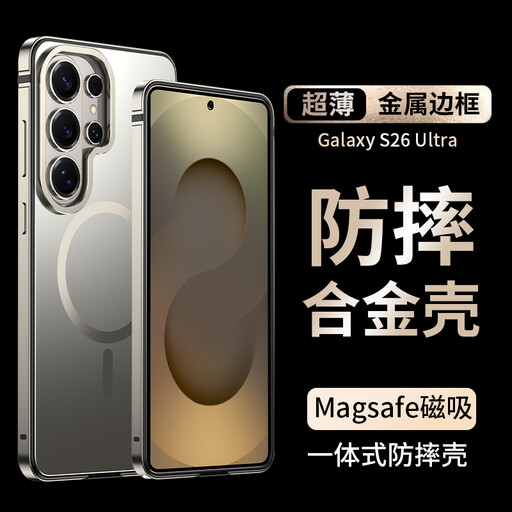
Why This Fits Their Persona: This user owns a high-end Android device like the Samsung S26 Ultra and doesn't want to miss out on the benefits of the growing magnetic accessory market. They are looking for a solution designed specifically for their device.
This case solves the problem of compatibility and weak magnets. Since it is specifically designed for the Samsung S26 Ultra, fit and functionality are guaranteed. The integrated magnetic ring ensures a strong and reliable connection with MagSafe-compatible accessories.
Enables full use of the magnetic ecosystem for a premium Android device. Combines robust protection from a titanium alloy frame with a slim design.
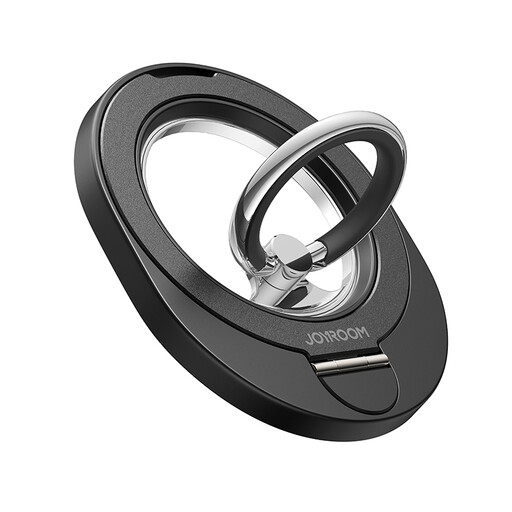
Why This Fits Their Persona: This user may already have a MagSafe case but misses a secure grip or a stand function. They are looking for a flexible and detachable solution to specifically enhance the functionality of their setup.
Instead of buying a whole new case, this accessory specifically upgrades an existing solution. It avoids the purchase of a compromise case by adding the desired function (grip and stand) separately and with strong magnetic force. The use of N52 magnets directly addresses the problem of weak mounts.
Serves as a MagSafe ring holder and phone ring stand in one. The dual-ring mechanism allows for flexible viewing angles. It is detachable, so it doesn't interfere with wireless charging.
We've compiled a complete, real-time updated list of products that fully meet these strict selection criteria and safety regulations.
1. Does a MagSafe case also work with a standard magnetic car mount? Yes, in most cases, this works. The steel ring built into the case interacts with the magnets in conventional mounts. However, the holding force can vary depending on the strength and arrangement of the magnets in the mount. A mount optimized for MagSafe usually provides the most reliable connection.
2. How long does a magnetic ring in a case retain its strength? High-quality neodymium magnets, like those used in quality MagSafe cases, are very durable. They lose only a negligible fraction of their magnetic force over many years. For the typical lifespan of a smartphone, no noticeable performance degradation is to be expected.
3. Does a metal phone case interfere with reception or GPS? With professionally engineered cases, this risk is minimal. Manufacturers integrate specific cutouts (so-called "antenna windows") made of non-conductive materials like polymers into the metal frame to avoid disrupting signal transmission. However, with very cheap, poorly designed cases, interference with cellular, Wi-Fi, or GPS signals can occur.