
Lieferung heute & morgen

Qualitätsgarantie

Willkommens-Angebote freischalten: KOSTENLOSE Lieferung | Bis zu 80 % RABATT | Kostenlose 30-Tage-JoyPlus-Testphase
App herunterladen
A high-quality MagSafe case is more than just protection for your smartphone. It's the gateway to an ecosystem of chargers, mounts, and other accessories. But the market is flooded with products whose marketing claims often fall short in practice. Many users buy a case only to find that the magnetic force is too weak, the material yellows, or the protection fails during a drop. This guide will walk you through the crucial criteria you need to consider to make an informed purchasing decision.
Before we dive into the technical details, it's important to understand the most common issues that lead to dissatisfaction and unnecessary expense.
To avoid the problems mentioned above, you should base your choice on objective criteria. The following three parameters are essential for the performance and durability of a magnetic protective case.
The functionality of a MagSafe case depends directly on the quality and arrangement of its magnets. Look for products that explicitly state the use of strong magnets, such as N52 neodymium magnets. These ensure a high holding force (measured in Newtons, N), which is essential for a secure connection with heavier MagSafe accessories like a phone holder with a stand or a power bank. A precise alignment of the magnetic ring is also critical for efficient wireless charging performance.
A shockproof phone case should offer more than just a rugged exterior. Look for specific claims about drop protection, ideally with a certified drop height (e.g., "protection for drops from up to 3 metres"). A high-quality construction often combines a hard material for the backplate (e.g., polycarbonate) with a more flexible, shock-absorbing frame (e.g., TPU). Equally important is a dedicated case with camera protection, featuring a design with raised edges around the camera module and the display. These design details prevent the sensitive glass surfaces from making direct contact with the ground during a flat drop.
Whether you prefer a clear case to show off your smartphone's design or a coloured model, material quality is key. For clear cases, UV-resistant and chemical-resistant coatings are an indicator of a lower tendency to yellow. Practical extra features, like an iPhone case with a ring, improve grip and double as a stand. Such integrated elements should be sturdily built to function reliably even with frequent use.
Based on the criteria above, we have identified a few products that offer a compelling solution for specific user profiles.
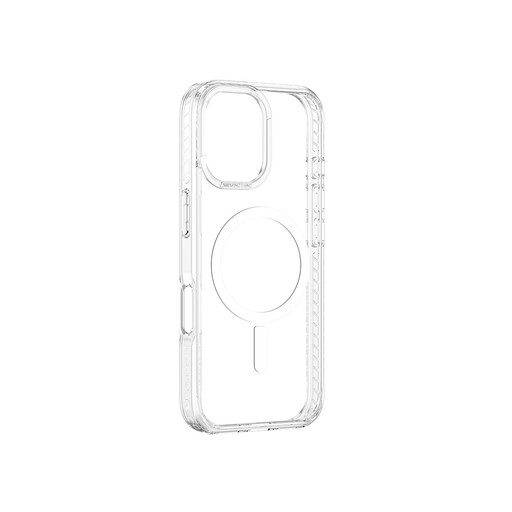
Why It's a Match: Ideal for users who want to preserve the original look of their iPhone (e.g., an iPhone 16 case) without compromising on protection. The case combines a clear design with robust protective features.
According to the manufacturer, the polycarbonate back is resistant to UV radiation and chemicals, which counteracts the typical yellowing problem of clear cases.
Offers military-grade protection with a drop height of up to 3 metres and DefendEdge technology for camera protection, all without obscuring the device's design.
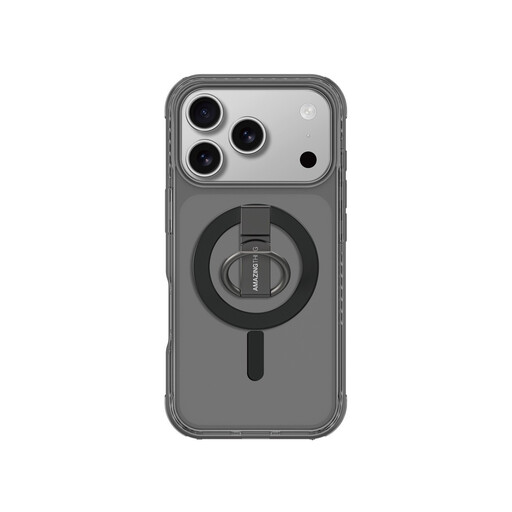
Why It's a Match: Designed for users who need maximum functionality and a secure grip. The iPhone 17 Pro Max case is perfect for one-handed operation of large devices and for media consumption on the go.
The integrated grip ring provides a physical safeguard against drops that goes far beyond mere shock resistance. The MagSafe functionality remains fully intact.
Combines robust protection with the dual function of an iPhone case with a ring and a phone case with a stand, eliminating the need for extra accessories.
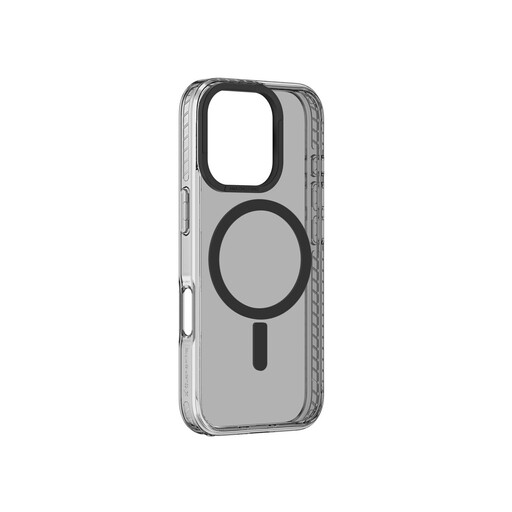
Why It's a Match: A reliable all-rounder that combines discreet yet strong protection with full MagSafe functionality. Perfect for daily use, both at work and during leisure time.
Instead of vague promises, this case delivers verifiable military-grade protection (drop height up to 3 m) and a thoughtful design with DefendEdge corner protection.
The combination of a polycarbonate back and a TPU frame offers a balanced blend of rigidity and shock absorption for durable everyday protection.
We have compiled a complete, up-to-date list of products that fully meet these strict selection criteria and safety standards.
The term usually refers to tests based on the US military standard MIL-STD-810G or its successors. For phone cases, the "Method 516.6" test, which assesses drop resistance, is particularly relevant. A case that meets this standard has been repeatedly dropped from a specific height (e.g., 1.2 metres or more) onto a hard surface without the device inside sustaining damage. Look for manufacturers that specify the exact drop height, such as "protection for drops from up to 3 metres."
Not necessarily. Yellowing is primarily caused by the reaction of low-quality TPU material to UV light and skin oils. Higher-quality cases use either pure polycarbonate (PC), which is naturally more resistant, or special TPU blends with anti-yellowing additives. Look for product descriptions that explicitly mention "UV-resistant" or "anti-yellowing technology" to ensure longer-lasting clarity.
A reliable indicator is the specification of the magnet type. Manufacturers who use high-quality N52 magnets often mention this as a quality feature. The stated holding force, if specified in Newtons (N), can also be a guide—values around 10 N or higher indicate a strong connection. Without these details, user reviews that specifically assess the adhesion of accessories like wallets or car mounts can provide insight into real-world performance.