
Lieferung heute & morgen

Qualitätsgarantie

Willkommens-Angebote freischalten: KOSTENLOSE Lieferung | Bis zu 80 % RABATT | Kostenlose 30-Tage-JoyPlus-Testphase
App herunterladen
A new premium smartphone like the iPhone 17 or Samsung Galaxy S26 Ultra is a significant investment. That makes it all the more important to protect your device with a suitable case. A MagSafe case not only offers protection but also enhances functionality by allowing you to magnetically attach accessories. However, the market is flooded with products whose marketing promises often fall short in practice. Before you buy a phone case, you should be aware of the common pitfalls to avoid a bad investment.
As your Joybuy Product Recommendation Officer, I'll filter the essential information for you and show you what really matters when making your choice.
Many users are disappointed after their purchase because the case fails to meet basic expectations. These three problems are especially common:
To avoid these problems, you should check three technical features before buying. These define the quality and durability of a magnetic protective case.
The functionality of a MagSafe case depends entirely on the quality of its integrated magnetic ring. A high-quality ring not only ensures a firm hold for accessories but also guarantees precise alignment with the wireless charger's coil. This is crucial for maximum charging efficiency and prevents excessive heat buildup. Look for products whose magnets are explicitly designed for a strong, stable connection.
The choice of material affects protection, feel, and longevity. The most common materials are:
An effective case with drop protection is distinguished by thoughtful design elements. These include:
Based on these criteria, we have selected a few products for typical user profiles.
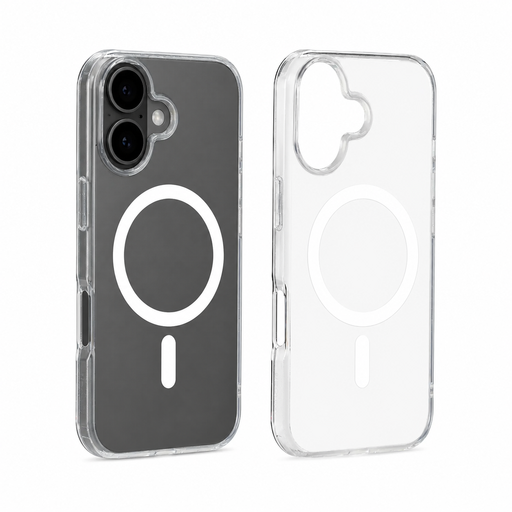
Why this model is a great fit: Ideal for users who want to show off their iPhone 17's original design without sacrificing full MagSafe functionality and solid baseline protection.
The hybrid construction of PC and high-quality TPU counteracts rapid yellowing. The integrated magnetic ring is strong enough for a reliable connection with chargers and accessories.
Combines a clear, design-enhancing look with a strong magnetic hold and essential protection via raised edges.
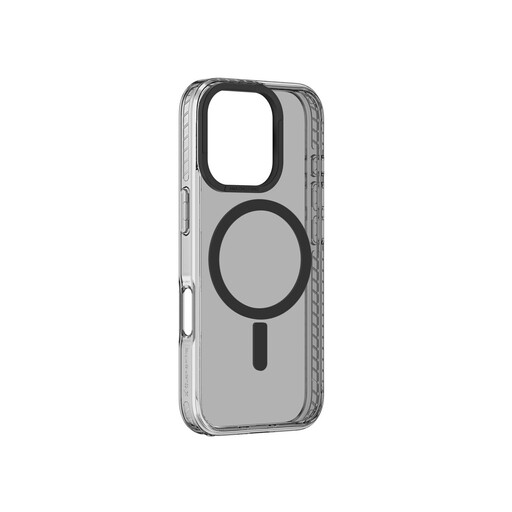
Why this model is a great fit: For users whose top priority is protecting their device. This case is designed for demanding environments where drops are more likely.
Directly addresses the "false sense of security" pitfall: The case offers military-grade certified drop protection from up to 3 meters and 360-degree shock absorption.
Maximum protection through certified drop resistance and DefendEdge technology for the display and camera, without compromising MagSafe functionality.
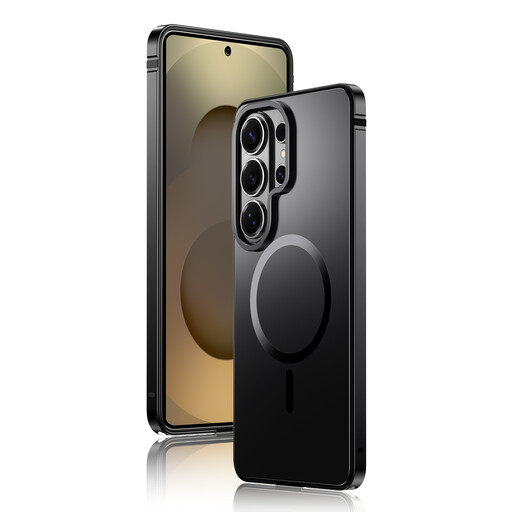
Why this model is a great fit: For owners of a high-end device like the Samsung Galaxy S26 Ultra who are looking for a case made from premium materials that combines top-tier protection and aesthetics.
The aluminum alloy frame provides significantly more structural stability than pure plastic. The magnetic ring is precisely integrated, which eliminates the risk of a weak hold.
Offers a combination of a premium feel from the metal frame and uncompromised MagSafe functionality in a slim design.
We have compiled a complete, up-to-date list of products that fully meet these strict selection criteria.
Durability heavily depends on the material quality. Inexpensive cases made of simple TPU can show visible yellowing in as little as 2-3 months. High-quality models that use a scratch-resistant polycarbonate (PC) back or specially treated TPU with an anti-yellowing coating can maintain their clarity for a year or more. Exposure to UV light and sweat accelerates the process.
A well-designed phone case with MagSafe should not noticeably affect charging performance. The integrated magnets ensure the smartphone is perfectly positioned on the charging coil, which allows for optimal energy transfer. However, very thick cases without precise magnetic guidance or poorly made models can cause a slight reduction in charging speed and increased heat generation.
No, a phone case is always model-specific. An iPhone 17 case will not fit a Samsung Galaxy S26 Ultra or any other device due to differences in dimensions, button layouts, and camera positions. While the underlying charging standard (Qi or Qi2) is universal, the protective case must be designed specifically for the respective smartphone model to ensure a proper fit and protection.