Freezing dressing for later
If you’re preparing portions to use later, you’ll need usable freezer space as well as room to chill them. Whether the dressing keeps the texture you want after thawing also depends on its ingredients.


If you really want to freeze portions of dressing and don’t already have a suitable freezer, a fridge-freezer with enough freezer space could be a good option. If you already have a suitable freezer, a fridge without a freezer compartment may leave more room for chilled containers. Consider the ingredients, too: dressings made with yoghurt or sour cream can separate when thawed.
If you’re preparing portions to use later, you’ll need usable freezer space as well as room to chill them. Whether the dressing keeps the texture you want after thawing also depends on its ingredients.
If you’ll be using prepared portions soon, you’ll need enough room in the fridge for covered containers. The Federal Centre for Nutrition says that dressing can also be made ahead and stored in the fridge.
If you already have a freezer, consider whether a fridge without a freezer compartment would better meet your need for chilled storage than another fridge-freezer. The consumer advice centre recommends considering the appliance size and your freezer needs together.
A good fit if: You already have a suitable freezer and mainly need space in the fridge for containers of dressing and fresh ingredients.
Bear in mind: The fridge won’t freeze the portions itself. Consider the space taken up by both appliances and their energy consumption together.
A good fit if: You want one appliance to chill portions for short-term use and freeze suitable portions.
Bear in mind: The freezer compartment takes up space within the appliance. According to the consumer advice centre, you need a four-star freezer compartment for freezing; compartments with fewer stars are only suitable to a limited extent for storing food that is already frozen.
A good fit if: You regularly freeze larger quantities of different foods and the freezer space in a fridge-freezer isn’t enough.
Bear in mind: An additional appliance needs extra floor space. The consumer advice centre points out that an oversized freezer can use more electricity than necessary.
| What you need | What to check when buying | Who should consider this? |
|---|---|---|
| Suitable freezer space | Check whether you already have a freezer. If not, compare the freezer compartment’s suitability, freezer capacity and space for your portion containers separately from the fridge capacity. The consumer advice centre says a four-star rating is needed for freezing. | If I want to freeze portions of dressing for later, I need a suitable freezer compartment and enough space for the containers. Around 36% of consumers put freezer space first in this scenario. |
| Fridge space for prepared portions | Consider fridge and freezer capacity separately, and check whether your jars will fit on the shelves. For perishable foods, the German Federal Institute for Risk Assessment recommends a temperature of 2 °C to no more than 7 °C. | If I want to chill prepared portions alongside my other food, my covered containers need to fit comfortably in the fridge. Around 29% of consumers prioritise this fridge space. |
| Ingredients and storage | Consider the ingredients and the texture you want. According to the consumer advice centre, yoghurt and sour cream can separate when frozen. Chilling and freezing don’t replace good kitchen hygiene. | If I first want to check whether my particular recipe is suitable for freezing and will keep the texture I want, the ingredients are my priority. Around 21% of consumers pay particular attention to how well a recipe freezes and to safe storage. |
| Dimensions, defrosting and energy use | Measure the available space and, when comparing appliances of a suitable size, check their annual energy consumption and the defrosting features of the specific model. NoFrost and reduced ice build-up aren’t the same thing. | If the appliance needs to fit the space I have and suit my needs in use, I’ll consider its dimensions, defrosting requirements and energy consumption together. Around 14% of consumers put these points first. |
According to the consumer advice centre, a freezer compartment with fewer than four stars isn’t intended for freezing fresh portions. It’s only suitable to a limited extent for storing products that are already frozen.
Check the star rating on the specific appliance. If you already have a suitable separate freezer, the fridge itself doesn’t need a freezer compartment.
The KGN36VICT, KGE39AICA and KG39EAICA models split their capacity between fridge and freezer in different ways. Similar total capacities don’t necessarily mean that both compartments will meet your needs.
Compare the separate capacity figures and check whether your dressing containers will fit the internal layout.
Bosch doesn’t describe the KGE39AICA as frost-free, nor does Siemens describe the KG39EAICA that way. Bosch does, however, say that the KGN36VICT means “no more defrosting”; Siemens describes lowFrost on the KG39EAICA as reducing ice build-up.
If you want to avoid defrosting, check the details for the exact model: reduced ice build-up doesn’t mean the freezer compartment never needs defrosting.
According to the consumer advice centre, some dairy products, including yoghurt and sour cream, can separate and become grainy after freezing. So having a freezer doesn’t guarantee that every dressing will keep the texture you want.
Check the ingredients and the texture you want before deciding how much freezer space you need. Whatever appliance you choose, make sure you prepare food cleanly and keep it at a suitable temperature.
The models mentioned have different fridge and freezer layouts.
You can compare the KG39EAICA iQ500 by its fridge and freezer capacity and defrosting details.
The GBBS322CEV is another model to compare for dimensions, capacity and energy consumption.
This selection includes fridge-freezers for households that want to chill containers of dressing and freeze suitable portions in the same appliance.
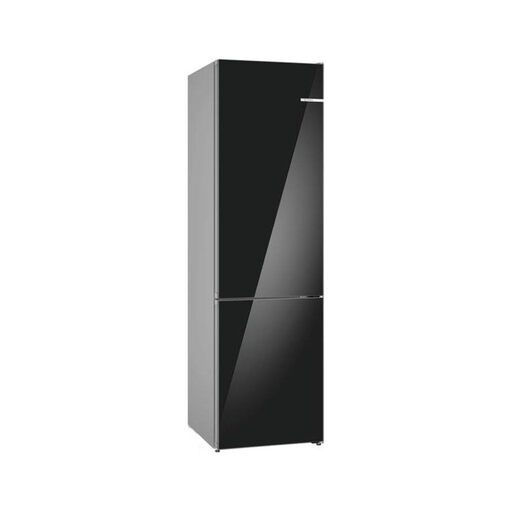 No image available
A good choice if you want to store chilled containers of dressing and portions for freezing in one freestanding appliance.
260 l fridge capacity and 103 l freezer capacity; the freezer compartment has a four-star rating.
NoFrost; total capacity 363 l.
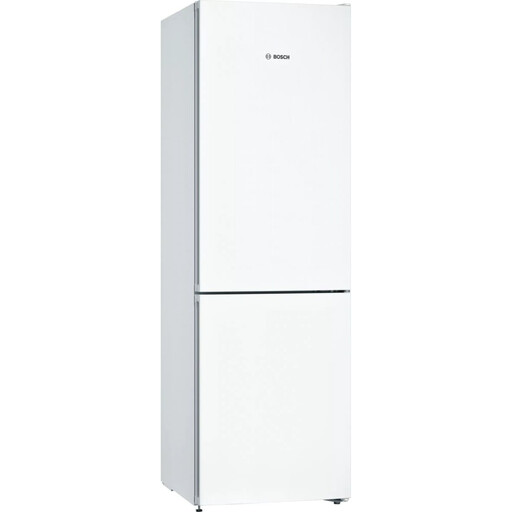 No image available
A fridge-freezer for you if you need fridge and freezer space in one freestanding appliance.
237 l fridge capacity and 89 l freezer capacity; the freezer compartment has a four-star rating.
NoFrost; total capacity 326 l.
 No image available
Worth considering if you’re looking for fridge and freezer space in one freestanding appliance.
220 l fridge capacity and 113 l freezer capacity; the freezer compartment has a four-star rating.
Total No Frost; total capacity 333 l.
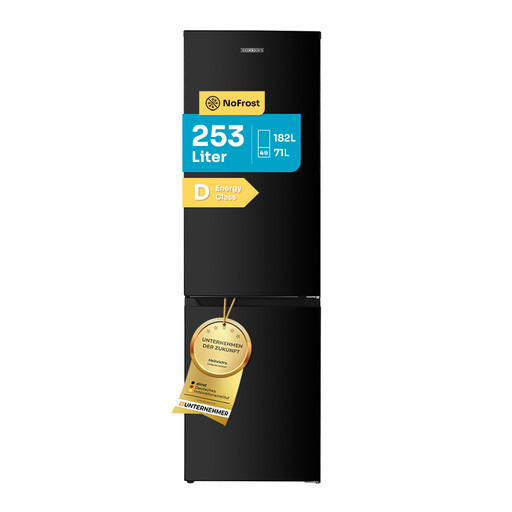 No image available
A fridge-freezer for you if you want to store chilled containers and portions for freezing in one appliance.
182 l fridge capacity and 71 l freezer capacity; the freezer compartment has a four-star rating.
No Frost; total capacity 253 l.
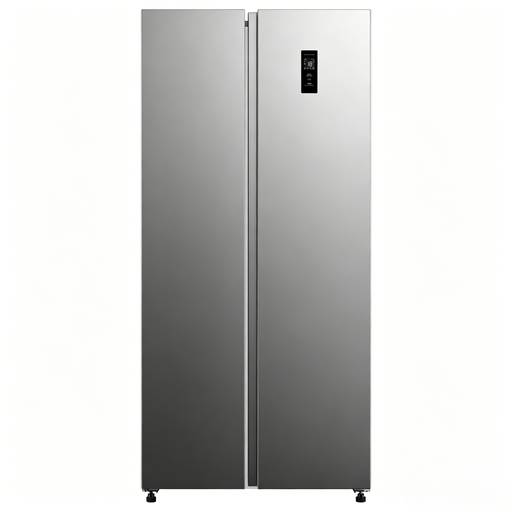 No image available
Worth considering if you want fridge and freezer space in a side-by-side design.
276 l fridge capacity and 168 l freezer capacity; the freezer compartment has a four-star rating.
No Frost; stated dimensions: 83 cm wide, 61 cm deep and 178.5 cm high.
No. If you want to freeze fresh portions, the consumer advice centre recommends choosing a four-star freezer compartment. Compartments with fewer stars are only suitable to a limited extent for storing products that are already frozen. If you have a suitable separate freezer, the fridge itself doesn’t need a freezer compartment.
There’s no guarantee. According to the consumer advice centre, yoghurt, sour cream and similar dairy products can separate and become grainy when frozen. Decide whether to freeze the finished dressing based on your recipe.
Store perishable ingredients and dishes hygienically, covered and chilled. The German Federal Institute for Risk Assessment recommends a temperature of 2 °C to no more than 7 °C for perishable foods. For a dressing described in one of its articles, the Federal Centre for Nutrition gives a screw-top jar and two days in the fridge as an example; this isn’t a storage time for every recipe.
Take extra care with hygiene when using raw eggs: the German Federal Institute for Risk Assessment warns that pathogens may be present on and inside eggs. A freezer function doesn’t replace checking your ingredients or preparing food safely.
For new fridges that require an energy label, the EU energy label must also be visible in online listings. Compare the model details and annual energy consumption shown on it. If a newly purchased appliance is faulty, you generally have statutory rights against the seller for two years from delivery; an additional guarantee is separate from these rights.