
Lieferung heute & morgen

Qualitätsgarantie

Willkommens-Angebote freischalten: KOSTENLOSE Lieferung | Bis zu 80 % RABATT | Kostenlose 30-Tage-JoyPlus-Testphase
App herunterladen
Mochi, also known as Japanese rice cakes, are confections made from a base of Mochigome, a special glutinous rice. The rice is steamed and then pounded or kneaded to create its characteristically soft, stretchy dough. This dough is traditionally shaped into small balls and often filled with various pastes. For consumers looking to order mochi online, the market offers a wide array of options. This guide provides a structured overview of selection criteria and specific product features.
The selection of mochi can be based on objective parameters related to ingredients, filling, and texture.
The dough, the heart of every mochi, consists primarily of glutinous rice flour (mochiko) or directly processed glutinous rice. The quality and processing of this raw material are key determinants of the final elasticity and mouthfeel. Industrially produced mochi often use a blend of glutinous rice powder, water, sugar, and starch to ensure a consistent texture and longer shelf life. A look at the ingredients list reveals the proportion of glutinous rice and the use of additives, such as thickeners (e.g., E1442), which stabilise the texture.
The filling defines the mochi's flavour profile. We can distinguish between several categories:
The ideal texture of a mochi is soft and elastic (described in Japanese as "mochi-mochi") without being overly sticky to the teeth. The consistency is influenced by the ratio of glutinous rice to other ingredients, the type of filling, and storage conditions. Individually wrapped products generally retain their moisture and softness better.
Based on the aforementioned criteria, we present a selection of mochi products that stand out for their specific features.
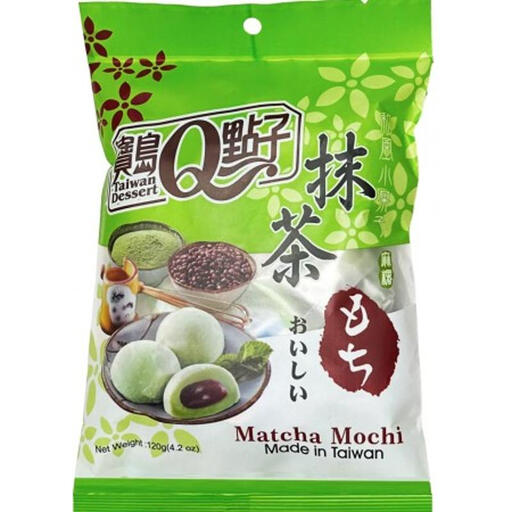
Why we recommend this product: This product combines two classic elements of Japanese confectionery: the glutinous rice cake and matcha. The filling consists of a sweet red bean paste, while the dough itself is flavoured with green tea powder. This combination creates a balanced flavour profile, where the sweetness of the bean paste is complemented by the slightly bitter notes of the matcha.
Pros:
Best for: Consumers who appreciate authentic Japanese flavour profiles and have a preference for the combination of sweet and slightly bitter aromas. Ideal as an accompaniment to unsweetened green tea.
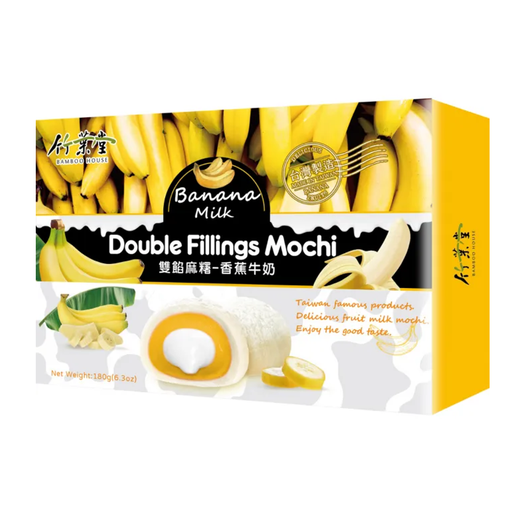
Why we recommend this product: This mochi from Taiwan is distinguished by its complex filling structure. A core of banana paste is enveloped by a layer of milk paste. This double filling provides a multi-dimensional taste experience, combining tropical fruitiness with a creamy component. Its production in Taiwan represents a modern interpretation of the mochi tradition.
Pros:
Best for: Users who are adventurous and looking for a change from traditional mochi varieties. Especially appealing to those who prefer the combination of fruit and cream.
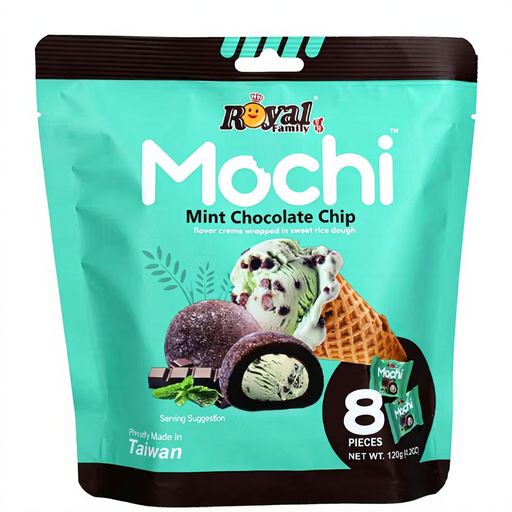
Why we recommend this product: This product translates a well-known dessert flavour into the mochi format. The combination of mint and chocolate, complemented by a milk filling and chocolate chips, offers a familiar yet novel taste experience. The integration of crispy chocolate chips into the soft structure of the mochi provides an interesting textural contrast.
Pros:
Best for: Consumers looking for a bridge between familiar flavours and the unique texture of mochi. A great choice for newcomers to the world of Asian sweets.
The texture of mochi is distinctive, but the diversity of Asian confectionery extends far beyond it. For consumers who wish to expand their repertoire of sweet snacks and explore other textures or flavour profiles, numerous alternatives exist. You can find a curated selection, for example, in our Korean sweets category.
1. What exactly are mochi? Mochi are Japanese confections made from glutinous rice (Mochigome). The rice is steamed and processed into a soft, elastic dough. This dough is often shaped into balls and filled with various sweet pastes, such as red bean paste (Anko) or fruit purées.
2. What is the best way to eat mochi? Mochi are ready-to-eat and can be consumed directly from the packaging at room temperature. Storing them in the refrigerator can harden the texture, so it is recommended to let them return to room temperature before eating. They are suitable as a snack between meals or as a dessert, often accompanied by tea.
3. How should mochi be stored? Mochi should be stored in a cool, dry place, protected from direct sunlight. After opening the package, it is advisable to consume them promptly to prevent them from drying out. The exact best-before date is indicated on the packaging of the respective product.