
Lieferung heute & morgen

Qualitätsgarantie

Willkommens-Angebote freischalten: KOSTENLOSE Lieferung | Bis zu 80 % RABATT | Kostenlose 30-Tage-JoyPlus-Testphase
App herunterladen
A make-up remover should reliably dissolve foundation, sun cream, eyeliner and waterproof mascara without unnecessary rubbing. In practice, however, not every product delivers the right results for every skin type and application. If you only look for terms such as “gentle”, “3-in-1” or “for waterproof make-up”, you may overlook important details.
1. “For all skin types” is mistaken for universal compatibility.
This statement describes a broad target group, but is no guarantee that a product will suit every individual. Fragrances, essential oils, alcohol or certain preservatives may be relevant for sensitive skin. It is therefore worth checking the full INCI list.
2. Waterproof make-up is removed using too much pressure.
Rubbing firmly around the eyes can be uncomfortable and puts mechanical stress on delicate skin. A two-phase eye make-up remover or an oil-based product can first loosen waterproof formulations. Allowing the product to work on the cotton pad is more important than wiping vigorously.
3. Eye and facial cleansing are treated in the same way.
A facial cleanser may be suitable for foundation, sebum and sun cream, but it is not necessarily intended for the eye area. Conversely, an eye make-up remover is not automatically designed for the whole face. Follow the manufacturer’s application instructions.
For the eye area, two-phase liquids, creamy removers or cleansing balms are often used. Two-phase products contain a water-based phase and an oil-based phase and must be shaken before use. According to product descriptions, they are often suitable for long-lasting and waterproof cosmetics.
A cleansing balm is spread over dry skin and emulsified with water. This texture can be practical when you want to remove make-up, sun cream and skin oils at the same time. If you have sensitive skin, check the ingredients list for fragrances and essential oils.
If you wear contact lenses, specifically look for a make-up remover for contact lens wearers. Statements such as “ophthalmologically tested” or “suitable for contact lens wearers” come from the respective product information and should not be treated as a guarantee of individual compatibility.
When removing mascara or eyeliner, the following procedure is recommended:
When choosing a make-up remover for sensitive skin, fragrance-free formulations can be a useful selection criterion. However, this does not automatically mean that a product will suit every sensitive skin type. If you are prone to reactions, you can first test the product on a small area of skin and check the packaging information.
For daily facial cleansing, the pH value, surfactants and intended use are also important. A cleansing foam can be practical for normal to combination skin, while a balm or richer texture may be used with strongly adhering sun cream and long-lasting make-up. Ingredients lists can change; the labelling on the packaging supplied is the definitive source.
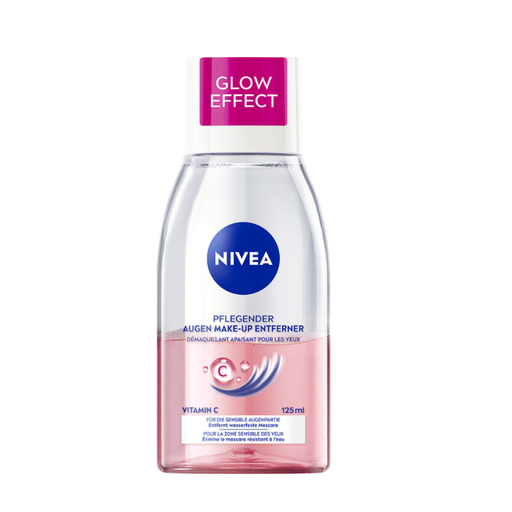
Why this product suits the profile: The two-phase formulation is designed for the eye area and, according to the product description, is intended for long-lasting and waterproof mascara. The 125-ml size is suitable for regular use.
The clear labelling as an eye make-up remover distinguishes the product from general facial cleansing products. The liquid must be shaken before use.
Fragrance-free product description; ophthalmologically and dermatologically tested according to the manufacturer, with a bottle made from 96% recycled material, excluding the label, closure and cap.
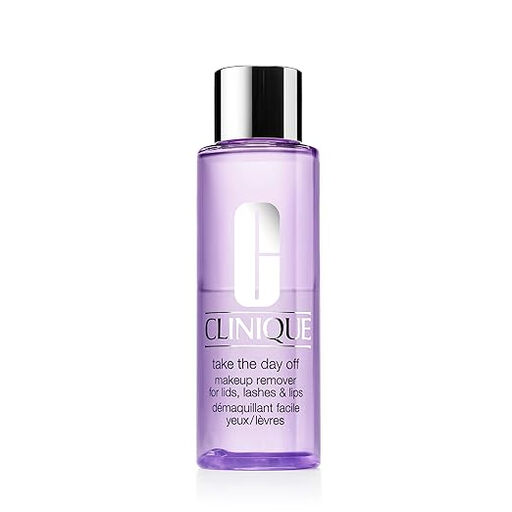
Why this product suits the profile: According to the manufacturer, the two-phase eye and lip remover is soap-free and designed for long-lasting cosmetics. Its use can be tailored separately to the eyes and lips.
The product description explicitly mentions removing stubborn eye and lip make-up. This makes the intended use clearer than that of a general facial cleanser.
Soap-free, two-phase formula; ophthalmologically tested and suitable for contact lens wearers according to the manufacturer. The packaging information remains definitive.
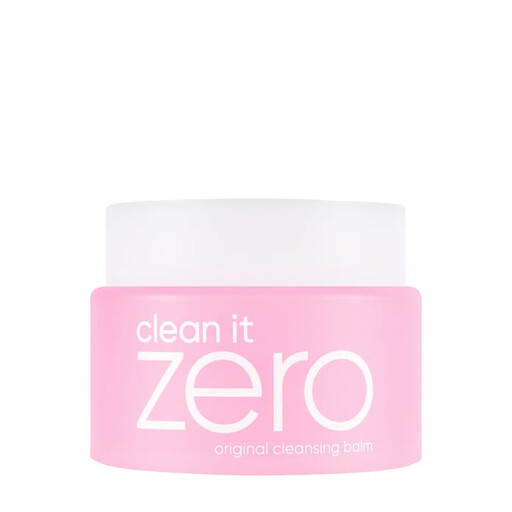
Why this product suits the profile: This cleansing balm is of interest to anyone looking to dissolve make-up, sun cream and impurities in a single first cleansing step.
The instructions clearly describe applying the product to dry skin and then emulsifying it with water. Fragrances and essential oils are listed in the ingredients and should be taken into account if you have sensitive skin.
100 ml contents, balm-to-oil texture and intended use as the first step in a double-cleansing routine.
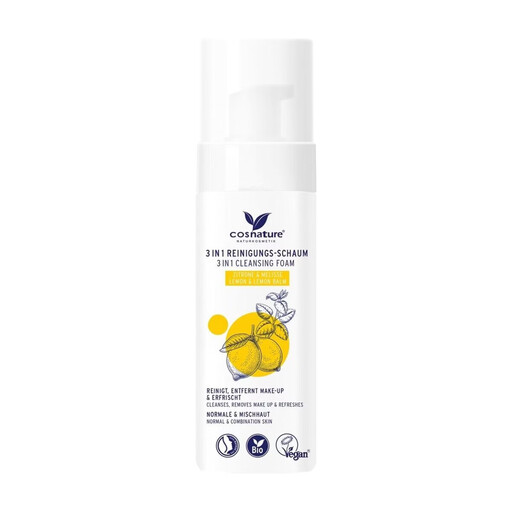
Why this product suits the profile: According to the product description, this cleansing foam combines facial cleansing, make-up removal and a refreshing effect. It is intended for use on the face, neck and décolletage.
The product is not designed for the eye area. The manufacturer advises avoiding contact with the eyes and carrying out a patch test beforehand if you have sensitive skin.
150 ml contents, dispensing with one or two pumps, and surfactants such as Coco-Glucoside. Fragrances and declared fragrance allergens should be taken into account.
A make-up primer can be applied before foundation when you want an even base or longer-lasting wear. With the e.l.f. Power Grip Matte Primer, apply a small amount to prepared skin. The product description recommends waiting around 30 seconds and avoiding applying too much product, as it may otherwise pill.
For defined eyes, you can use an eyeliner such as the Rimmel Kind & Free Eye Liner Pecan. According to the product description, the twist-up mechanism does not require sharpening. Stop using it if eye irritation occurs. Eye make-up and make-up removers should also not be used with expired or contaminated applicators.
We have put together a complete, regularly updated list of products that fully meet these strict selection criteria and the safety regulations applicable in the EU.
Apply a suitable product to a cotton pad, cover the closed eye for a few seconds and then gently wipe downwards. Use a fresh pad if necessary. A waterproof make-up remover or two-phase eye make-up remover may be designed for long-lasting formulations.
Look for an INCI list that is as straightforward as possible and check whether it contains fragrances, essential oils or alcohol. A fragrance-free eye make-up remover may be a suitable choice, but it does not replace an individual compatibility test. If irritation persists, stop using the product.
The best-before date and the period after opening are stated on the packaging, often using an open-jar symbol with a number of months. Close the bottle or jar after every use and store the product in a dry place away from direct sunlight. If its smell, appearance or feel on the skin changes, it is advisable to replace it.