
Lieferung heute & morgen

Qualitätsgarantie

Willkommens-Angebote freischalten: KOSTENLOSE Lieferung | Bis zu 80 % RABATT | Kostenlose 30-Tage-JoyPlus-Testphase
App herunterladen
Make-up remover should thoroughly dissolve foundation, sun cream, mascara and lip colour without leaving your skin feeling uncomfortably tight. In practice, however, disappointing purchases are often caused not by the price, but by an unsuitable texture or incorrect application. This is particularly worth considering if you have sensitive skin or a delicate eye area, so it pays to take a closer look at the product type, ingredients and intended use.
An eye make-up remover containing oily ingredients may dissolve waterproof mascara effectively, but that does not necessarily mean it is intended for the entire face. Conversely, a lightweight micellar water may remove everyday make-up, but more rubbing may be needed for long-wearing foundation or waterproof lipstick. This increases the mechanical stress placed on the skin.
Fragrances, essential oils and certain preservatives are not necessarily problematic, but they can be relevant if you have sensitive skin or delicate eyes. Checking the current INCI list is more important than words such as “gentle” or “nourishing” on the front of the pack. Formulations can change, so always check the ingredients directly on the packaging.
A cleansing balm, cleansing oil or cleansing milk can dissolve and remove make-up. Whether you should then use a facial cleanser depends on the product, how your skin feels and your usual routine. With double cleansing, the first step is generally used to dissolve make-up and sun cream; a water-based cleanser then removes any remaining residue.
For the eye area, check that the product is specifically suitable for this purpose and follow the usage instructions. Place a pad over the closed eye and press gently for a few seconds to help dissolve the make-up. Only then wipe downwards or outwards without pulling firmly. If the product gets into your eye, rinse with clean water. Stop using the product if irritation persists.
Check the following before buying:
For waterproof make-up, choose a remover that is specifically intended for this purpose. When applying it, it is better to allow more time for the product to work than to rub vigorously and repeatedly.
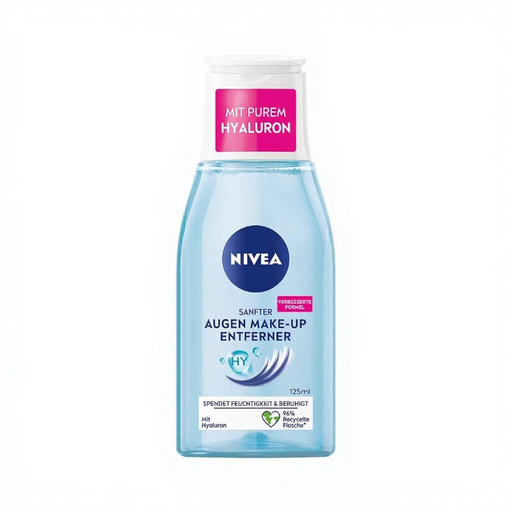
Why this product suits this profile: The 125 ml bottle is designed for regular eye make-up removal and provides a clearly defined introduction to your daily cleansing routine.
The clearly stated intended use helps prevent an eye product from being mistaken for a universal facial cleanser. For waterproof make-up, check the specific suitability stated on the label.
125 ml capacity; according to the product information, intended for the eye area. The INCI list includes glycerine and panthenol, among other ingredients.
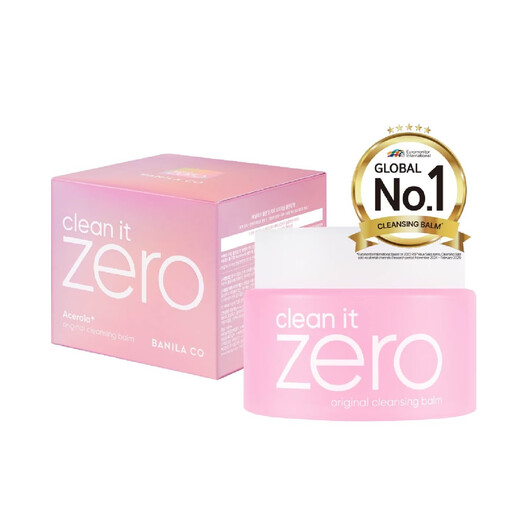
Why this product suits this profile: This balm is designed to be used as part of a multi-step routine, making it suitable for people who regularly want to dissolve waterproof make-up as the first stage of cleansing.
The stated emulsification with water reduces the need for vigorous rubbing. Nevertheless, rinse the balm off thoroughly after use and, if needed, follow with a second cleanser.
100 ml contents; balm-to-oil-to-emulsion texture; according to the product information, suitable for stubborn and waterproof make-up.
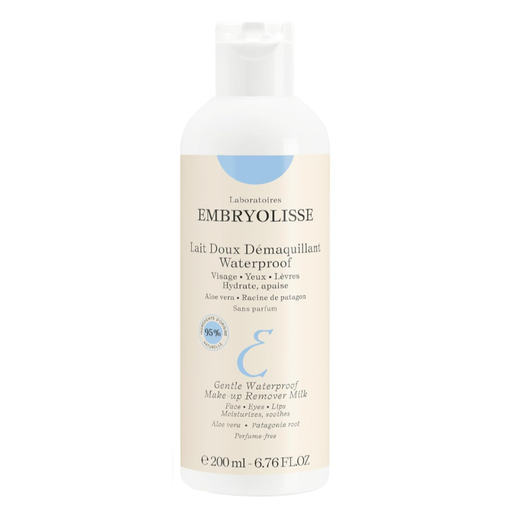
Why this product suits this profile: This 200 ml cleansing milk is intended for the face, eyes and lips, and may appeal to people who prefer a creamy texture for everyday use.
The intended areas of use are clearly stated. Even so, people with sensitive eyes should read the warnings and current ingredients list on the packaging before buying.
200 ml contents; according to the product information, designed for waterproof make-up as well as the face, eyes and lips; with glycerine, jojoba esters, shea butter and aloe vera extract.
We have put together a complete, regularly updated list of products that fully meet these strict selection criteria and the safety regulations applicable in the EU.
If you have sensitive skin, it is advisable to carry out a patch test on a small area first. “For sensitive skin” is not a guarantee of individual compatibility; the specific formulation and your personal reaction remain the deciding factors.
A two-phase remover, cleansing oil or cleansing balm can loosen waterproof pigments. For eye make-up, place the saturated pad over the closed eyelid for a few seconds, then gently wipe away. If necessary, repeat with a fresh pad instead of applying pressure.
That depends on the cosmetics you use and your skin. Micellar water may be sufficient for light make-up. For long-wearing foundation, waterproof make-up or sun cream, an oil-based remover is often more practical. If you do not rinse off micellar water, follow the instructions for the product in question and make sure your skin feels clean.
The best-before date and the PAO symbol on the packaging are the key points to check, such as “12M” for twelve months after opening. Changes in smell, colour, consistency or the way your skin feels are reasons to stop using the product. Store products in a cool, dry place away from direct sunlight.