
Lieferung heute & morgen

Qualitätsgarantie

Willkommens-Angebote freischalten: KOSTENLOSE Lieferung | Bis zu 80 % RABATT | Kostenlose 30-Tage-JoyPlus-Testphase
App herunterladen
A make-up remover should thoroughly dissolve foundation, mascara, lipstick and sunscreen residue without unnecessary rubbing. In practice, however, it’s easy to end up with the wrong product because of exaggerated claims, unsuitable textures or a formula that doesn’t work well with the make-up you wear.
A product may be described as mild yet still contain fragrance, essential oils or certain preservatives. If you have sensitive skin or eyes, check the full INCI list. Even a make-up remover for sensitive skin is no guarantee that it will suit everyone.
A basic cleansing gel may be enough for light foundation, but it may not reliably remove waterproof mascara or long-wearing lipstick. For these products, a bi-phase make-up remover, cleansing milk, cleansing balm or oil-based cleansing cream may be a better choice.
Even an eye make-up remover for sensitive eyes should not come into direct contact with your eyes. If you wear contact lenses, it’s best to remove them before cleansing, unless the product instructions say otherwise. Stop using the product if you experience burning, redness or persistent irritation.
When choosing a make-up remover for the face, eyes and lips, follow the product instructions carefully. Some products are intended for all three areas, while others are specifically marketed as eye make-up removers.
Hold a soft cotton pad over your closed eye for a few seconds to loosen the pigments. Then wipe from the inner corner outwards without rubbing firmly. For contact lens wearers, claims such as “ophthalmologically tested” or “suitable for contact lens wearers” are only relevant if they’re explicitly stated in the product information.
Claims such as natural make-up remover, vegan make-up remover or organic cosmetics should be checked against specific information. A certification such as ECOCERT is more meaningful than general “green” packaging. At the same time, “of natural origin” doesn’t automatically mean a product will suit all sensitive skin.
Formulas can change, so check the INCI list, best-before date and batch number directly on the packaging.
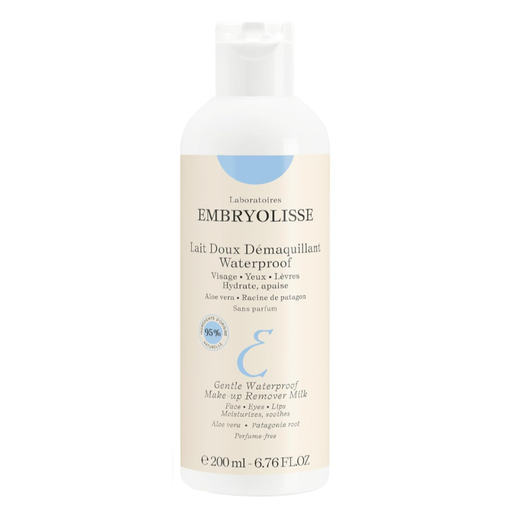
Why it suits this profile: This 200 ml cleansing milk is designed for the face, eyes and lips and, according to the product description, is suitable for all skin types, including sensitive skin.
The product description specifically mentions waterproof make-up and use on the face, eyes and lips.
Contains glycerin, jojoba esters, shea butter, beeswax and aloe vera extract, among other ingredients; 200 ml.
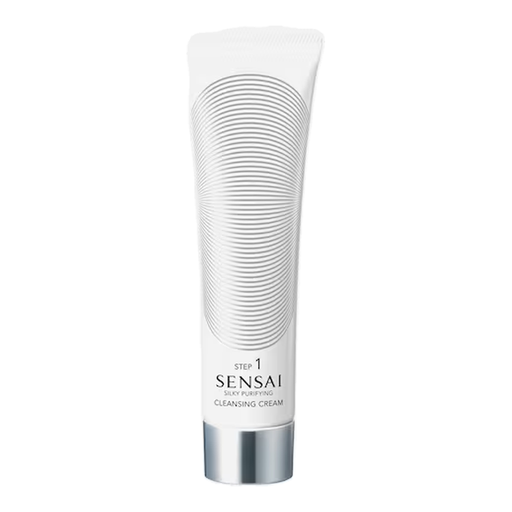
Why it suits this profile: This rich cleansing cream is designed to remove oil-based residue such as make-up and sebum. Massage it into dry skin.
The clear instructions to rinse afterwards help prevent the rich cream from being mistaken for a complete cleansing routine on its own.
125 ml; creamy texture; according to the product information, free from sulphates, parabens, colourants and phthalates.
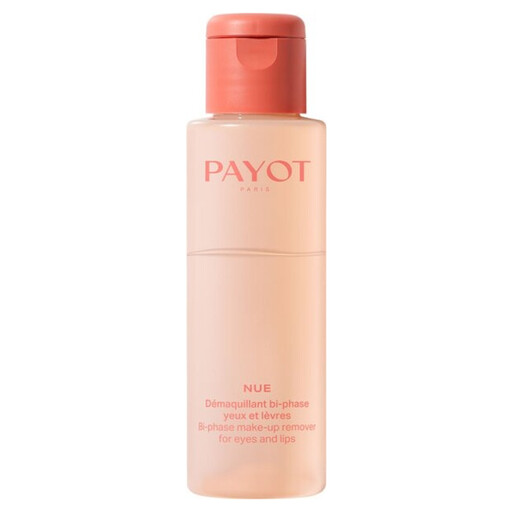
Why it suits this profile: This bi-phase formula is designed for waterproof eye make-up and long-wearing lipstick. According to the product description, it’s also suitable for sensitive eyes.
Shake the bottle to combine the two phases. This helps prevent the common mistake of using a bi-phase solution without mixing it first.
100 ml; 99% naturally derived ingredients according to the product information; with orange blossom water and watercress extract.
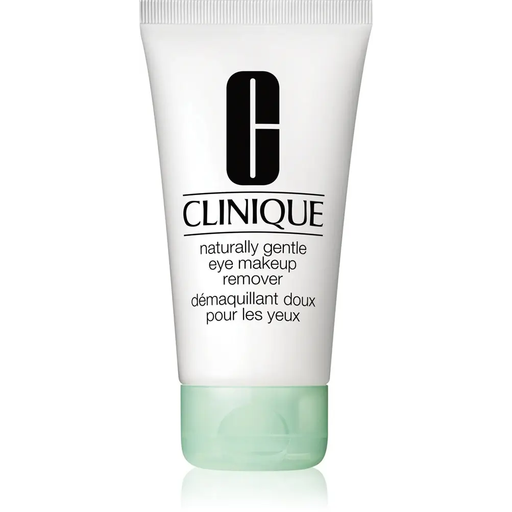
Why it suits this profile: According to the product description, this creamy eye make-up remover is 100% fragrance-free, allergy tested and ophthalmologist tested, and is suitable for contact lens wearers.
The product information clearly limits its use to the eye area and provides specific details about fragrance and contact lenses.
Creamy texture; 75 ml; apply with a cotton pad, then rinse with water.
We’ve put together a complete, regularly updated list of products that meet these strict selection criteria and fully comply with the safety regulations in force in the EU.
A bi-phase make-up remover, an oil-based eye make-up remover or a cleansing milk specifically designed for waterproof mascara is often a good choice. Always check the product description. Hold the pad in place briefly rather than repeatedly rubbing your lashes.
Check the best-before date and the PAO symbol on the packaging, for example “6M” for six months after opening. Changes in smell, colour or consistency may indicate that the product has deteriorated. Always follow the information on the product packaging.
No. “Vegan” means the product contains no animal-derived ingredients, while “natural” refers to the origin of certain ingredients. Neither claim alone says anything about how an individual will tolerate the product. If you have sensitive skin, also check the INCI list, fragrance, directions for use and, where applicable, certifications.