
Lieferung heute & morgen

Qualitätsgarantie

Willkommens-Angebote freischalten: KOSTENLOSE Lieferung | Bis zu 80 % RABATT | Kostenlose 30-Tage-JoyPlus-Testphase
App herunterladen
A make-up remover should reliably dissolve foundation, sun cream and waterproof mascara without requiring prolonged rubbing. In practice, however, unsuitable product types are not the only cause of disappointing purchases. Packaging, materials and application also determine whether facial cleansing remains comfortable and practical for everyday use.
Waterproof make-up usually needs a little time to work, or a product containing suitable cleansing oils or surfactants. Rubbing a make-up remover wipe firmly over your eyes straight away can feel uncomfortable and put mechanical stress on the skin. It is better to place the cloth or pad on closed eyes for a few seconds, then gently wipe away the make-up.
With pre-soaked make-up remover wipes and micellar cleansing wipes, the liquid can evaporate quickly if the lid does not close tightly. A simple adhesive seal is less practical when travelling than a sturdy snap or flip-top lid. Also check whether the wipes can be removed individually and whether the pack fits in a washbag.
A gentle make-up remover may still contain fragrances, alcohol or certain preservatives. If you have dry or sensitive skin, it is therefore worth checking the current INCI list. BANILA CO Clean it Zero Brightening, for example, lists mandarin peel oil and the declared fragrance allergen limonene. The Original Cleansing Balm lists several fragrance allergens. Ingredients can change, so the packaging of the product supplied is always the authoritative source.
For cotton pads, 100% cotton, pad size and manufacturing quality are important points of comparison. A pad that is too small may require several passes. Textured surfaces can distribute liquid more effectively, but should not feel rough.
According to the product information, the MUJI model is made from long-fibre cotton and contains 180 pieces. The Unicharm Silcot Microfiber Pads measure 72 × 55 mm and are described as microfibre cotton. When using a pad with toner or make-up remover, make sure it is sufficiently soaked, as too little liquid can increase friction.
Pay attention to:
Before using a product fully for the first time, it may be sensible to test it on a small area of skin. Do not apply products to wounds, eczema or visibly irritated skin. Disposable pads and wipes must not be flushed down the toilet.
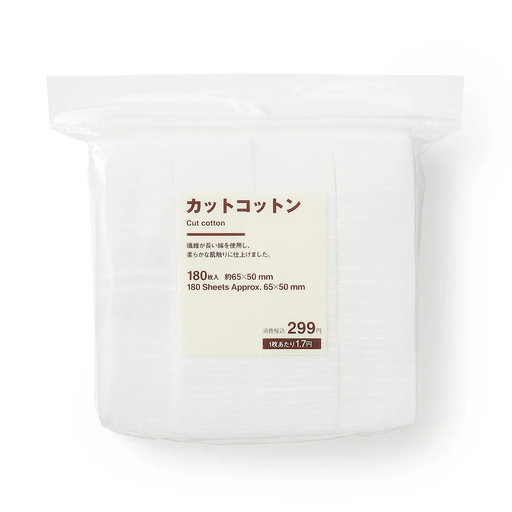
Why this product suits the profile: The pack of 180 pads is suitable for regular facial cleansing, applying toner and removing light make-up residue. Its format is designed for everyday routines at home.
The 100% cotton material specification and resealable bag make the choice easier to assess than a simple marketing claim about gentleness.
180 pieces; long-fibre cotton; suitable for toner, make-up remover and light cleansing.
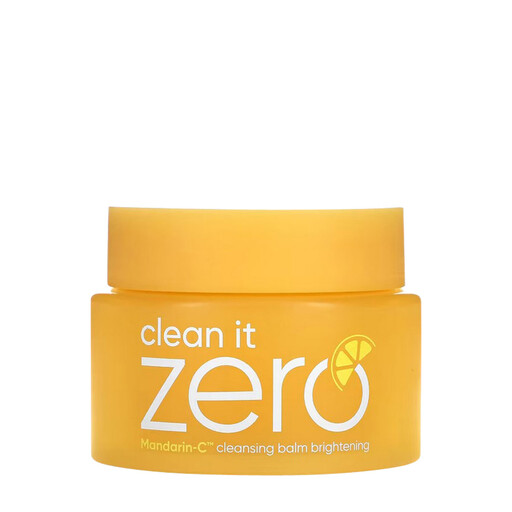
Why this product suits the profile: The 100 ml balm is suitable for anyone who wants to dissolve waterproof make-up and sun cream in an oil-based first cleansing step.
The instructions clearly explain emulsifying the balm with lukewarm water, followed by rinsing. This avoids creating the expectation that the product requires no rinsing.
Balm-to-oil texture; 100 ml content; according to the product information, vegan and free from parabens, sulphates and artificial colourants. The INCI list contains limonene.
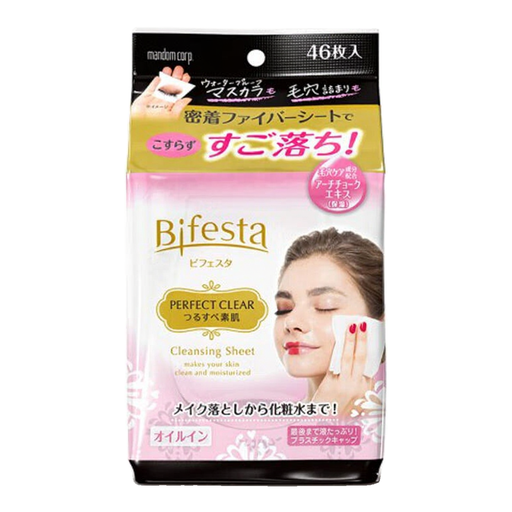
Why this product suits the profile: The pre-soaked pads are designed for travel, commuting and quick cleansing without access to a washbasin. For the eye area, the instructions recommend leaving the pad in place briefly with the eye closed.
The snap lid is designed to keep the moisture in the pack. The wipes are insoluble in water and must therefore not be disposed of down the toilet.
46 pads; according to the product information, designed for waterproof make-up; no rinsing required.
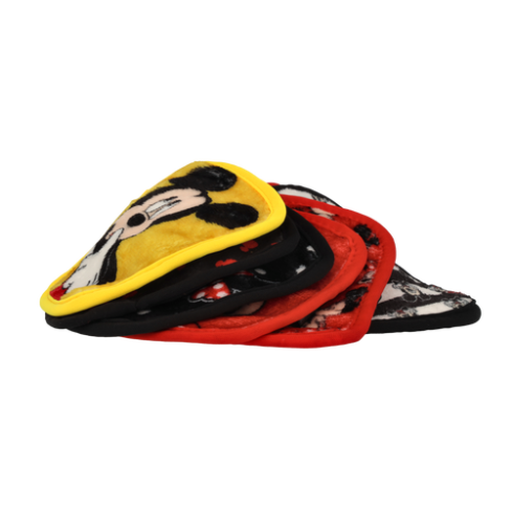
Why this product suits the profile: Seven reusable cloths can be an alternative to disposable pads if washing and drying are incorporated into your skincare routine.
Their reusability reduces the need for disposable materials. Follow the specified machine-washing instructions before first use and after use.
Set of seven polyester cloths; according to the product information, used with warm water; reusable as part of your skincare routine.
We have put together a complete, regularly updated list of products that fully meet these strict selection criteria and the safety regulations applicable in the EU.
Products from Japanese cosmetics brands such as Bifesta, MUJI or KOSÉ and items from Korean skincare brands such as BANILA CO may have different usage instructions. The key is to follow the information provided for each product and consider your skin’s individual tolerance.
A cleansing balm or a make-up remover wipe specifically designed for this purpose can dissolve waterproof formulas. Leave the product to work briefly and avoid vigorous rubbing. If residue remains, use a fresh pad for a second pass.
They are practical when you are out and about or in situations where washing is not possible. At home, a washable cleansing balm or a cleansing product used with reusable pads can reduce single-use materials. Whether rinsing is required depends on the instructions for the particular product.
For liquid products and pre-soaked wipes, the best-before date, batch number and, where applicable, the period of use after opening shown on the packaging are the key points to follow. Dry cotton pads mainly need to be stored in a clean, dry place. Always open damp packs fully and reseal them tightly afterwards.