
Lieferung heute & morgen

Qualitätsgarantie

Willkommens-Angebote freischalten: KOSTENLOSE Lieferung | Bis zu 80 % RABATT | Kostenlose 30-Tage-JoyPlus-Testphase
App herunterladen
A make-up setting powder is designed to keep foundation and concealer in place, reduce excess shine and visibly even out the appearance of the skin. The choice ranges from loose setting powder and pressed powder to translucent powder, complemented by make-up setting spray. However, this wide variety can also lead to unsuitable purchases.
A product is often chosen because terms such as “soft-focus finish”, “pore-refining” or “long-lasting make-up” sound particularly effective. What really matters, however, is the specific texture, shade range, ingredients and intended use. Our selection shows what you should look out for before buying.
A translucent powder may look unobtrusive on very fair skin tones, but can leave a lighter veil on medium to deep skin tones. If the formula contains reflective particles or certain white pigments, the result may also change in bright light or in photographs.
So check whether the powder is genuinely colourless or has a light shade. With tinted pressed powder, the colour should match your foundation and skin undertone as closely as possible.
A highly mattifying powder is practical for oily skin or a shiny T-zone. However, if it is applied over large areas and in several thick layers, the finish can look dry, heavy or uneven. Fine lines may also become more visible as a result.
The terms “oil-free” or “oil control” alone do not indicate how the product will behave on dry cheeks. A targeted application is more sensible: use powder to control shine on the forehead, nose and chin, while applying only a very thin layer to drier areas.
A setting powder absorbs excess moisture and sebum from the skin’s surface and usually changes the finish towards matte or soft matte. A setting spray, on the other hand, distributes a fine film over the make-up. It can reduce a powdery appearance and visually blend the individual layers together.
A setting spray therefore does not automatically replace loose setting powder. The combination can be useful for oily skin, while a light powder or hydrating spray may feel more comfortable on dry skin.
Loose setting powder can be spread thinly with a large brush and is well suited to setting liquid foundation evenly. Using a powder puff, it can also be pressed specifically onto the T-zone or under the eyes. The disadvantage is that the pot is less practical for travelling and the powder can be spilt more easily if it is not stored properly.
Pressed powder is easy to carry and suitable for quick touch-ups. Its firm texture allows you to pick up a controlled amount, although pressing too firmly can release more product than intended. Look for a finely milled texture and start by applying only a thin layer.
For a classic matte result, absorbent ingredients such as silica or starch are often relevant. Reflective ingredients such as mica, on the other hand, can create a soft-focus or subtly luminous appearance. A pore-refining powder does not permanently alter pores, but can make unevenness look less noticeable by scattering light.
If you prefer a natural result, look for a translucent or slightly light-reflecting powder. For photographs, long working days or warm indoor spaces, a more strongly mattifying powder may be more suitable. The actual effect also depends on your foundation, skincare and application technique.
Read the INCI list on the packaging, as formulations can change. Fragrance, alcohol or certain preservatives may be relevant for some people. If you have sensitive skin, it is advisable to carry out a small patch test on an inconspicuous area before first use. Cosmetic products are for external use only and should not come into contact with the eyes.
You should also avoid inhaling loose powder. During application, it helps to use a small amount of product and first tap off the excess from the brush or powder puff.
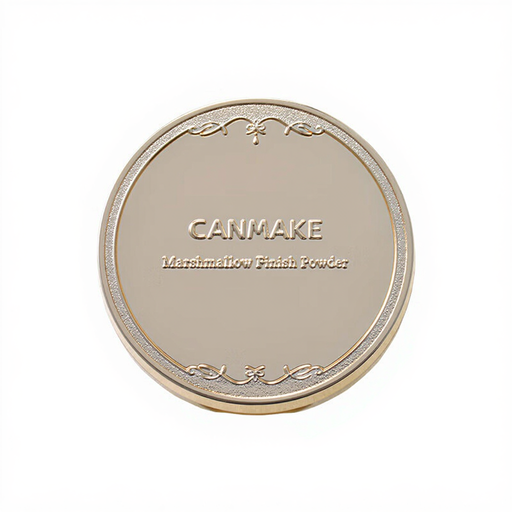
Why this product suits the profile: The pressed powder is applied with a powder puff, making it suitable for straightforward everyday use and touch-ups on the go.
The tinted shade makes it clear that this is not a completely colourless powder. This makes it easier to assess the colour effect before buying.
Compact format, 10 g content and, according to the product description, an application designed for the T-zone and foundation.
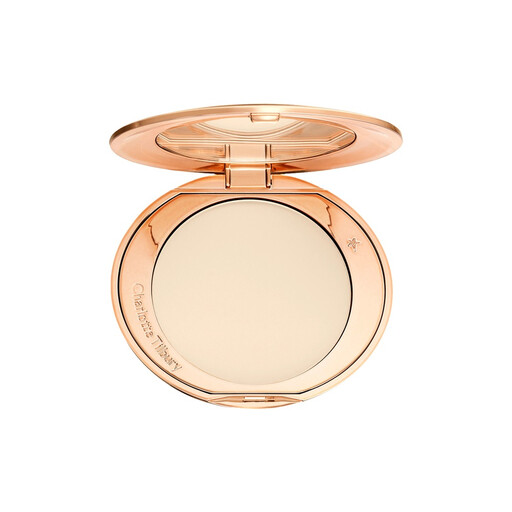
Why this product suits the profile: The micro-fine texture and light shade are aimed at people who value a smooth, soft-matte finish and premium pressed packaging.
The specific 01 Fair shade makes it easier to choose for very fair to fair skin tones and reduces the risk of an unsuitable universal shade.
8 g content, pressed texture and, according to the product description, ingredients such as silica and dimethicone.
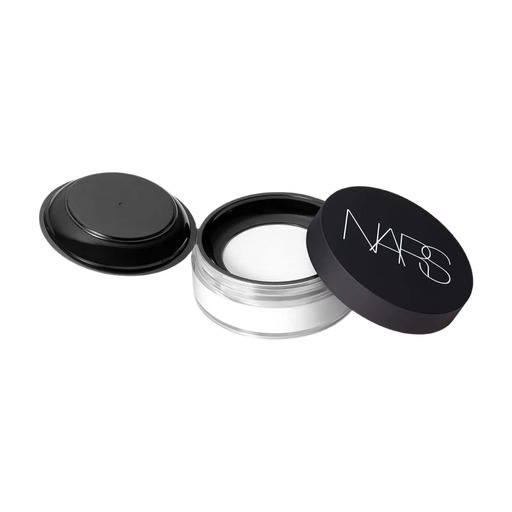
Why this product suits the profile: The loose powder can be applied with a brush, powder puff or precision brush, offering flexibility for the face, T-zone and eye area.
The recommended thin layer helps prevent a heavy application. Tapping off excess powder supports a controlled result.
11 g of loose powder, a translucent crystal shade and, according to the product description, a light-scattering, soft-focus effect.
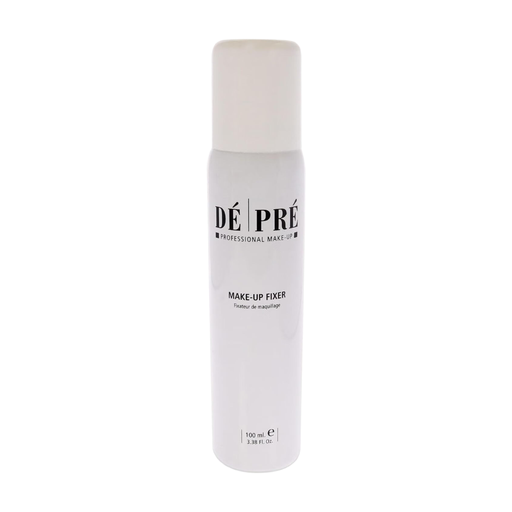
Why this product suits the profile: This spray is intended for people who prefer an even finishing step for everyday wear, events or professional applications instead of adding more layers of powder.
The application is clearly specified: shake, spray from a distance of 20–30 cm and leave to dry. This helps avoid applying too much moisture.
100 ml content and a spray formula containing denatured alcohol according to the stated INCI list; those sensitive to fragrance or alcohol should check the list.
A setting spray should not be sprayed directly into the eyes. With sprays containing alcohol or fragrance, the product description is particularly important before buying.
We have put together a complete, regularly updated list of products that fully meet these strict selection criteria and the safety regulations applicable in the EU.
Setting powder mattifies the skin and absorbs surface shine. Setting spray forms a fine film over the make-up and can soften a powdery appearance. Both products can be used together, but they do not have to be.
The decisive factors are the printed best-before date, batch number and the PAO symbol on the packaging. Store powder in a dry place with the packaging closed. If the smell, appearance or texture changes unusually, the product should no longer be used.
For oily skin or a very shiny T-zone, finely milled, mattifying formulas containing absorbent ingredients such as silica may be suitable. Start by applying a small amount only where shine develops. With combination skin, targeted application may be more suitable than applying powder all over the face.