
Lieferung heute & morgen

Qualitätsgarantie

Willkommens-Angebote freischalten: KOSTENLOSE Lieferung | Bis zu 80 % RABATT | Kostenlose 30-Tage-JoyPlus-Testphase
App herunterladen
Make-up with SPF 20 combines complexion correction with additional UV protection in one product. This can simplify your daily routine, but it does not replace separately applied sun cream. Particularly during longer periods outdoors, in strong UV conditions or when sweating heavily, the protection provided by foundation is usually not sufficient, as it is generally not applied evenly or in a large enough quantity.
Before buying, it is worth taking a close look at the shade, coverage, finish and formulation. Marketing terms such as “35-hour wear”, “serum foundation” or “naturally radiant” do not automatically indicate whether a product is suitable for your individual needs.
The sun protection factor refers to the stated protection provided by the product under defined conditions. However, foundation is often applied in a thin layer. As a result, the protection actually achieved may be lower. For everyday situations, foundation with SPF 20 should therefore primarily be regarded as additional UV protection.
During prolonged sun exposure, you should apply a suitable sun cream under your make-up and reapply sun protection according to the situation. A make-up primer with SPF 20 or a day cream with SPF 20 does not automatically serve as a substitute for separate sun care either.
A long-wearing foundation can be practical for oily skin, while dry or mature skin may look drier when using a strongly mattifying texture. Conversely, hydrating make-up may wear off more quickly when there is noticeable shine. The specific formulation, finish and skin preparation are therefore what matter.
Artificial lighting, screen settings and different undertones can alter how a colour is perceived. Where possible, test the shade along the transition from cheek to neck. Also look for the labels warm, cool or neutral. A neutral undertone such as “N”, for example, sits between noticeably pink and strongly golden shades.
A radiant finish reflects light and can make dry skin appear smoother and more supple. Mattifying make-up, on the other hand, reduces visible shine and may be better suited to oily or combination skin. A natural or satin finish sits between the two.
For mature skin, moisturising ingredients such as glycerin, hyaluronic acid or nourishing oils may be appealing. However, they are not a substitute for skincare tailored to your individual needs. If your skin is prone to blemishes, you should also look for indications such as oil-free or non-comedogenic formulations and check the current ingredients list on the packaging.
SPF 20 is a product specification, not a guarantee of your personal protection in everyday life. Check whether additional UVA information is provided, such as “UVA” in a circle or a PA rating. For example, IPSA Base Protect UV Yellow is listed as SPF 20/PA++.
Shake liquid products before use, apply them evenly and, if necessary, add a second thin layer. If you have sensitive skin, test the product on a small area before using it fully for the first time. If burning, redness or itching occurs, stop using the product.
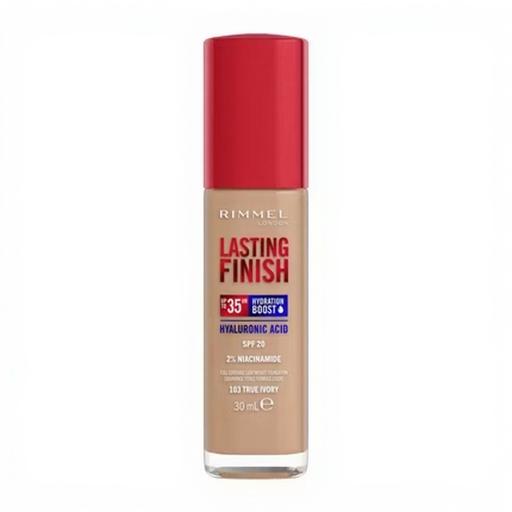
Why this product suits this profile: According to the product information, this liquid foundation combines moisturising care, SPF 20 and long-lasting wear in one everyday product. Shade 103 True Ivory is intended for fair skin tones.
The product information explicitly lists SPF 20 as part of the formulation. Nevertheless, separate sun care is still required during longer periods outdoors.
Glycerin, sodium hyaluronate and vitamin E are listed in the ingredients description; the texture is designed for even application.
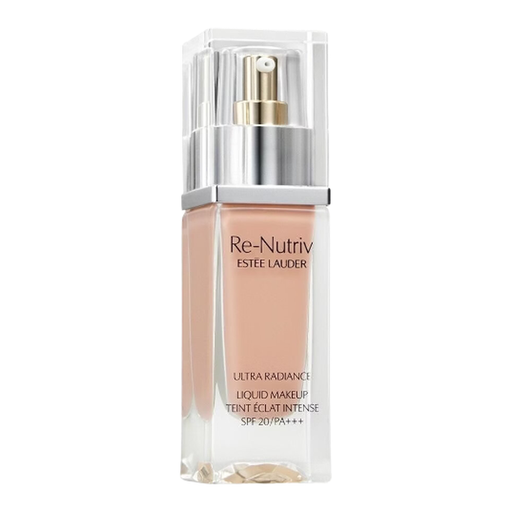
Why this product suits this profile: This luxury foundation is designed to provide medium to buildable coverage with a satin, radiant finish. Hyaluronic acid and jojoba oil will appeal to shoppers looking for a texture that feels nourishing.
According to the product description, the coverage can be built up gradually. This means you do not automatically need to apply a very thick layer across the entire face.
Liquid texture, SPF 20 and listed ingredients such as sodium hyaluronate and jojoba oil; shake the bottle before use.
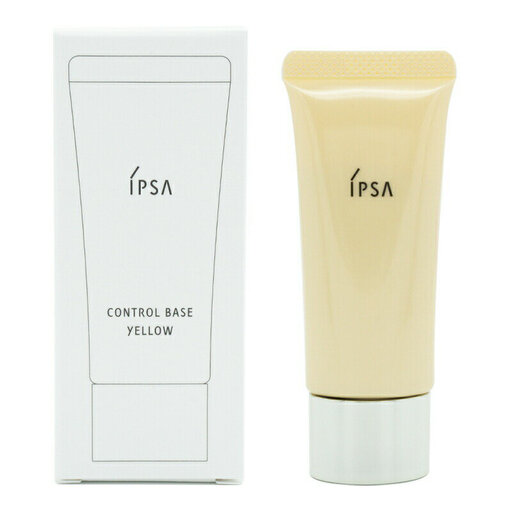
Why this product suits this profile: This yellow primer is an interesting option for people who prefer light, complexion-balancing application before foundation. It can be used on its own or as a make-up base.
The product information states SPF 20/PA++, a lightweight texture and application before foundation. This clearly distinguishes the primer from a full-coverage foundation.
20 g contents, yellow shade and PA++ rating; according to the description, the product can help the foundation applied afterwards adhere better.
We have put together a complete, regularly updated list of products that fully meet these strict selection criteria and the safety regulations applicable in the EU.
For short everyday situations, it can provide an additional layer of protection. However, the amount applied is usually lower than with a dedicated sun care product. Separate sun protection is required for longer periods outdoors.
This depends on the texture, finish and how your skin is prepared. Hydrating formulations with glycerin or hyaluronic acid may feel more comfortable. Even so, check whether the product settles into dry lines and avoid applying a layer that is too thick.
The printed expiry date and the PAO symbol, such as “12M” or “24M”, are the key indicators. Store the product in a dry, cool place away from direct sunlight. If its smell, colour or consistency changes, stop using it.