
Lieferung heute & morgen

Qualitätsgarantie
App herunterladen
Kategorien
A primer, also known as a makeup base, is a product applied as a preparatory layer between skincare and foundation. Its primary function is to create a smooth and even surface, helping the makeup that follows to adhere better. This can extend the longevity of your foundation and perfect the skin's appearance. Depending on the formulation, primers can perform additional tasks, such as mattifying oily areas, visually refining pores, or providing moisture to dry skin.
The selection of the right product depends on individual skin needs and the desired makeup result. An analysis of the ingredients and product technology is therefore crucial for making an informed decision.
To identify the most suitable smoothing primer, you should consider the specific characteristics of your skin type and the finish you aim to achieve.
For a visibly smoother complexion and to visually minimise pores and fine lines, silicone-based formulations are ideal. Ingredients like Dimethicone create a fine film over the skin, filling in minor imperfections. The result is a velvety, even surface that provides a perfect base for foundation. These pore-refining primers are often lightweight and transparent.
Those with oily or combination skin will benefit from a mattifying primer. These products often contain absorbent ingredients like Silica or regulating active ingredients such as Niacinamide. They help control excess sebum production throughout the day and reduce unwanted shine. A primer for oily skin ensures a long-lasting matte finish and prevents makeup from "sliding off" as the day goes on.
For dry or dull skin, a hydrating primer is the right choice. Such formulations are enriched with hydrating ingredients like Hyaluronic Acid, Glycerin, or nourishing components such as Shea Butter and vitamins. They provide the skin with intense moisture, prevent dry patches, and give the complexion a fresh, radiant appearance.
For maximum makeup longevity, primers are designed with a "grip" technology. These often gel-based formulas create a slightly tacky texture on the skin that foundation literally adheres to. This ensures an extremely long-lasting makeup look that stays in place, even under demanding conditions.
Based on technical specifications and use cases, we present three distinct primer formulations here.
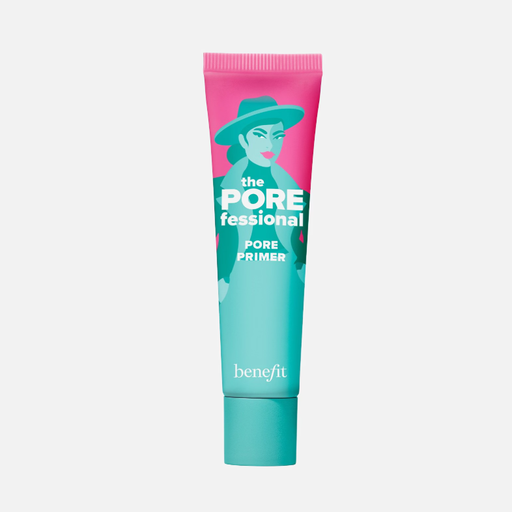
Why we recommend this product: This formulation is based on a dimethicone blend that effectively creates a smooth surface. Its oil-free and lightweight texture is designed to minimise the appearance of pores and fine lines without weighing down the skin.
Pros:
Best for: Users seeking a smooth, pore-refined base for their makeup. Suitable for most skin types, especially normal, combination, or skin with visible pores.
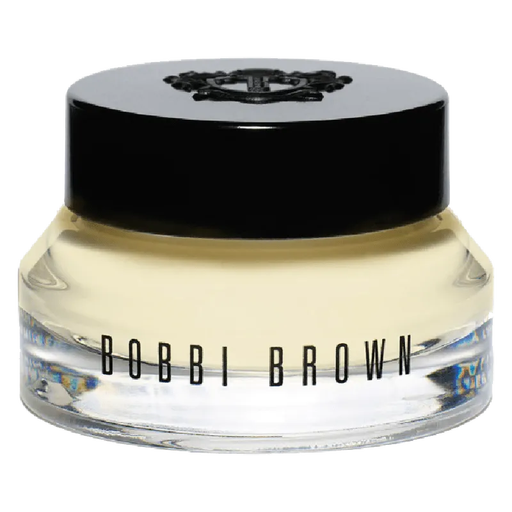
Why we recommend this product: This product combines the properties of a moisturiser with those of a primer. The rich, yet non-greasy cream texture contains Shea Butter, Hyaluronic Acid, and Vitamins B, C, and E to intensely nourish and hydrate the skin.
Pros:
Best for: Individuals with normal to dry skin looking for a nourishing and hydrating base to achieve a smooth and radiant makeup finish.
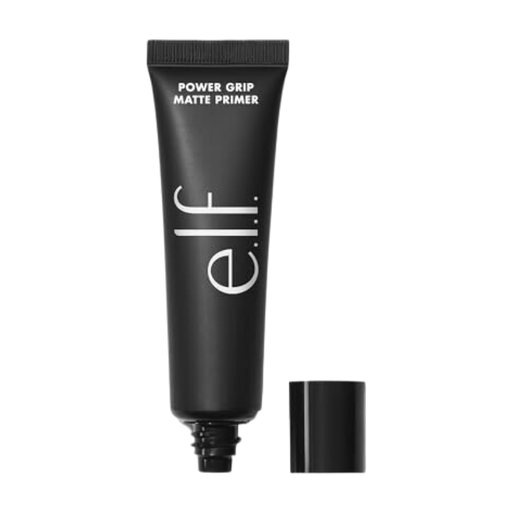
Why we recommend this product: This gel-based face primer uses a formulation that creates a gripping surface for maximum makeup hold. At the same time, the formula, featuring Niacinamide and Lemon Myrtle extract, aims to control excess oil and deliver a matte finish.
Pros:
Best for: Ideal for users with oily and combination skin who want powerful shine control and maximum extension of their makeup's wear time.
The products featured here cover specific use cases. If you are looking for other formulations or specialised solutions for different skin needs, you can find a broader selection in our Makeup & Beauty Products category.
1. In what order should you apply primer, sunscreen, and foundation? The correct order is: skincare (e.g., moisturiser), sunscreen, primer, and then foundation. Sunscreen should be applied directly to the skin to ensure its protective effect is fully realised. The primer then forms the barrier between your skin protection and makeup.
2. Can you use a primer without makeup? Yes, a primer can be used without any subsequent makeup. In particular, a pore-refining primer or a mattifying primer can be worn alone to smooth the skin's texture, visually minimise pores, and reduce shine.
3. What is the difference between a silicone-based and a water-based primer? Silicone-based primers (often with ingredients ending in "-cone" or "-siloxane") are known for their smoothing and pore-filling properties. They create a silky barrier on the skin. Water-based primers are typically lighter and often feel more hydrating. For optimal results, it is often recommended to match the base of your primer and foundation (e.g., a silicone-based primer with a silicone-based foundation) to prevent the products from pilling or separating.