
Lieferung heute & morgen

Qualitätsgarantie

Willkommens-Angebote freischalten: KOSTENLOSE Lieferung | Bis zu 80 % RABATT | Kostenlose 30-Tage-JoyPlus-Testphase
App herunterladen
Daily makeup removal is an essential step for healthy skin. But the market for makeup removers is overwhelming and full of marketing promises. The wrong product won't just fail to remove makeup effectively; it can also lead to irritation, dryness, or breakouts. As your Joybuy Product Recommendation Officer, I'm here to help you identify the common pitfalls and make an informed decision that suits your skin type and needs.
Many products don't live up to their claims. Watch out for these three common issues to avoid unnecessary expense and skin problems:
To find the right makeup remover, you should be guided by objective criteria, not advertising slogans. Two factors are crucial: the cleansing technology and the ingredients tailored to your skin type.
The texture and mechanism of a remover determine its effectiveness for different types of makeup.
A look at the ingredient list (INCI) reveals more than any product description.
Here are some curated products tailored to specific needs and use cases.
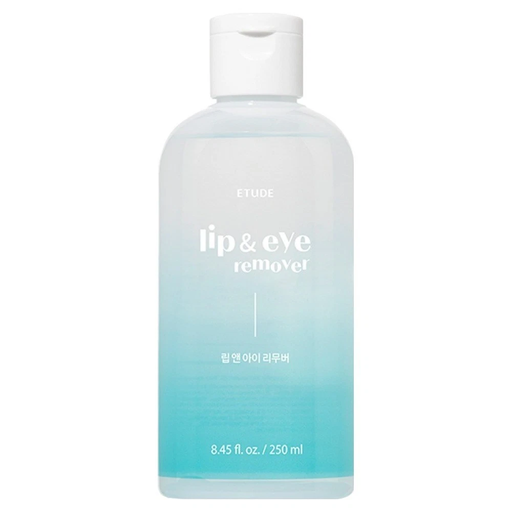
Why it's a great fit: Ideal for anyone who regularly uses waterproof mascara, eyeliner, or long-lasting lipsticks. The formulation is specifically designed to dissolve these stubborn products without stressing the delicate skin on the eyes and lips.
This product solves the problem of ineffectiveness (Pitfall 2). The bi-phase formula is a proven technology that specifically breaks down oil- and water-resistant pigments, making harsh rubbing unnecessary.
Quickly and gently dissolves even the most stubborn makeup. According to the manufacturer, the formula is ophthalmologically tested and leaves no oily film.
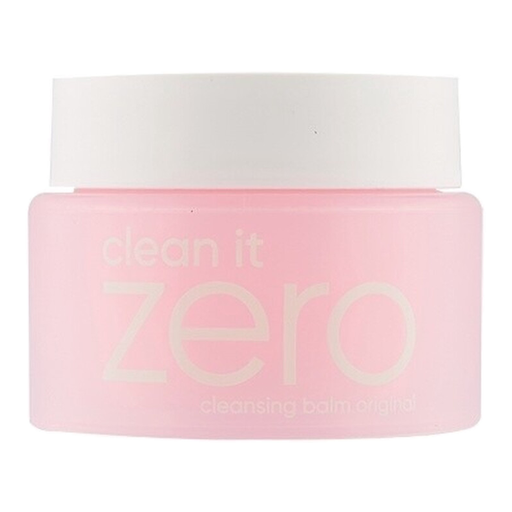
Why it's a great fit: Perfect for users of the double cleansing method and anyone aiming for a deep-pore cleanse of makeup, dirt, and sunscreen. The balm transforms into a silky oil that doesn't dry out the skin.
This cleansing balm is a specialised product, not a vague "for all skin types" promise (Pitfall 1). It is designed as the first, oil-based cleansing step and specifically addresses the thorough removal of makeup.
The formula emulsifies completely on contact with water and can be rinsed off without leaving a greasy film. The skin feels clean and nourished.
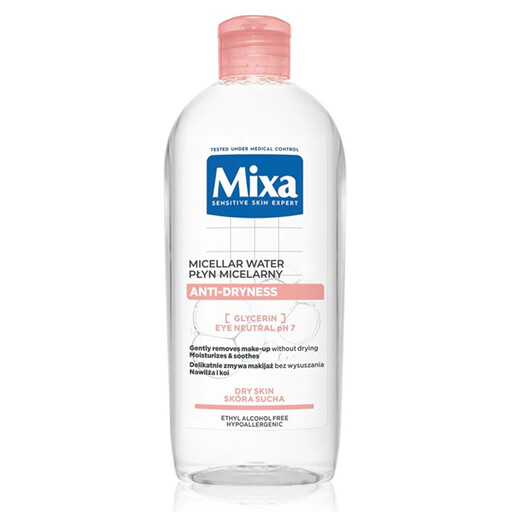
Why it's a great fit: Specially developed for the needs of dry and sensitive skin. It cleanses gently without attacking the skin's protective barrier and provides moisture thanks to nourishing ingredients.
This micellar water counteracts the pitfall of hidden irritants (Pitfall 3). It is hypoallergenic, alcohol-free, and has a skin-neutral pH of 5.5 to keep the skin in balance.
Cleanses and removes makeup while soothing and hydrating the skin with glycerin and panthenol. Ideal for daily, gentle cleansing.
We've compiled a complete, up-to-date list of products that fully meet these strict selection criteria and current regulations.
1. Do you have to rinse off micellar water after use? Typically, no rinsing is required, which makes micellar water very convenient. However, for very sensitive skin or as part of a double-cleansing routine, it can be beneficial to follow up with clear water or a mild face wash to completely remove all product residue and dissolved dirt particles.
2. What is the difference between a cleansing oil and a cleansing balm? Both are based on the same oil-dissolving technology and are intended for the first step of cleansing. The main difference is the consistency: a cleansing balm is solid at room temperature and only melts with body heat on the skin. This makes it spill-proof and convenient for travel. A cleansing oil is liquid from the start. The cleansing performance is comparable for both variants.
3. Can I use an eye makeup remover for my entire face? Technically, yes, as an eye makeup remover is usually formulated to be very gentle. However, this is not always practical or cost-effective. These products are often richer or oilier to dissolve waterproof mascara, which can feel heavy on the rest of the face. Additionally, they usually come in smaller bottles and are more expensive relative to facial cleansers. It is therefore recommended to use a specific product for the eyes and another for the rest of the face.