
Lieferung heute & morgen

Qualitätsgarantie

Willkommens-Angebote freischalten: KOSTENLOSE Lieferung | Bis zu 80 % RABATT | Kostenlose 30-Tage-JoyPlus-Testphase
App herunterladen
A flawless complexion is often the foundation of a perfect makeup look. But applying foundation, concealer, and other products can be a challenge when the result is patchy or unnatural. A high-quality makeup sponge can make all the difference. However, with the vast array of shapes, materials, and brands, making the right choice isn't always easy.
This article serves as a practical guide. We'll introduce different types of makeup sponges and explain their specific features to help you decide on the right tool for your needs.
To find the right product for your needs, there are a few fundamental criteria to consider. Material, shape, and hygiene aspects play a crucial role in the application and the final result.
The material of a sponge significantly influences how the product is applied to the skin and how it feels.
The shape of the sponge is crucial for its functionality.
A makeup sponge comes into direct contact with your skin and cosmetic products, making hygiene extremely important.
Based on material, shape, and functionality, we have compiled a selection of different makeup sponges that cater to various application needs.
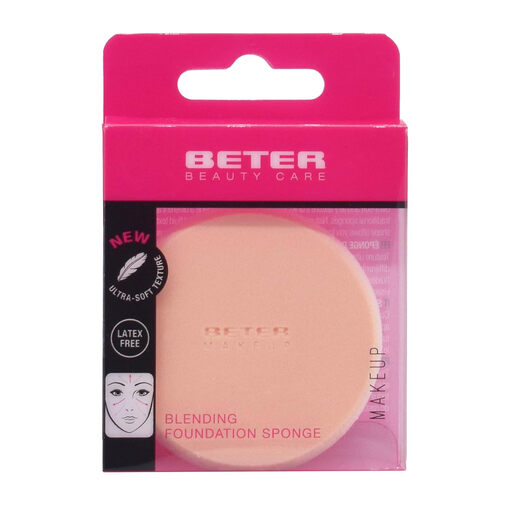
Why it stands out This model combines the properties of a classic latex sponge with the practical benefit of an included protective case. This makes it an ideal companion for travel or for storage at home.
Benefits
Who is it for? For users who prefer the application feel of latex sponges and value a hygienic storage solution. Safety note: Contains natural latex, which may cause allergic reactions. Not suitable for individuals with a latex allergy.
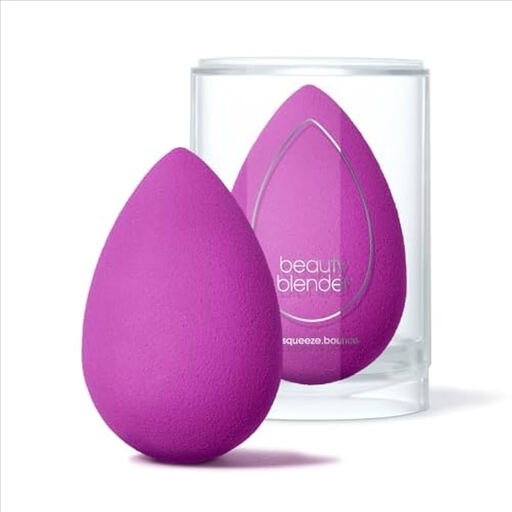
Why it stands out The original Beauty Blender is an iconic product in the beauty world. Its success is built on its special, open-cell material, designed to create an exceptionally smooth finish.
Benefits
Who is it for? For makeup enthusiasts seeking a high-performance, latex-free tool for a flawless result. Ideal for all skin types, including sensitive skin.
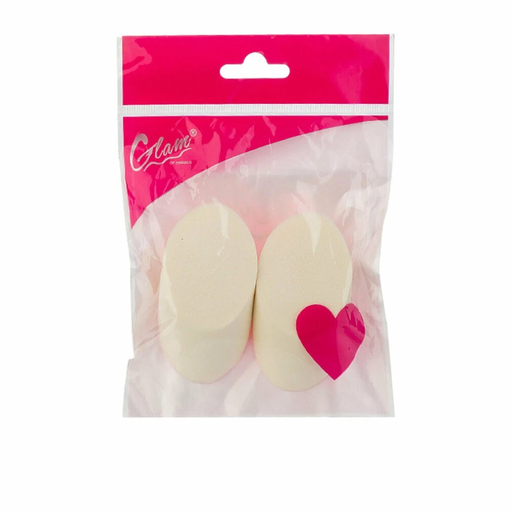
Why it stands out This sponge from Glam of Sweden stands out due to its material and shape. As a cube-shaped silicone makeup sponge, it offers an alternative to porous foam sponges.
Benefits
Who is it for? For users who want to minimise product waste and are looking for a tool that is especially hygienic and easy to maintain. The application technique differs from foam sponges and may require a short adjustment period.
If you haven't found the right model among these recommendations, there are many other variations to discover. Different firmness levels, sizes, and special shapes are tailored to various products and techniques.
Discover our entire selection of makeup sponges and find the perfect tool for your individual routine.
For a long lifespan and hygienic use, it is recommended to clean your makeup sponge by rinsing it under lukewarm water after each use. For a more thorough cleaning once a week, massage a small amount of mild soap or a special sponge cleanser into the damp sponge until the water runs clear. Then, squeeze it out well and let it air dry completely in a well-ventilated area.
You should dampen a makeup sponge because it offers two key benefits. First, the moisture prevents the porous sponge from soaking up too much of your liquid or cream makeup. Second, the damp state allows the product to be applied more seamlessly and evenly to the skin, resulting in a more natural and less cakey finish. This applies to foam sponges; silicone sponges do not need to be dampened.
The main difference lies in the material. The original Beauty Blender is made of a patented, latex-free polyurethane foam with a specific cell structure. This is designed to absorb water when dampened, expand, and create a very smooth surface for application that absorbs only a minimal amount of product. Other sponges, often referred to as a foundation sponge or makeup egg, may be made of other materials like SBR latex, NBR foam, or silicone, which have different densities, textures, and absorption properties, thus affecting the final result.