A makeup sponge is an application tool whose effectiveness is determined by its material properties and shape. Its primary function is to apply liquid or cream cosmetic products evenly to the skin, creating a seamless finish. This is achieved through a porous structure that absorbs water when dampened. This reduces the sponge's absorption of the actual makeup product, leading to less waste and a more even application. Choosing the right sponge depends on your specific needs regarding material, shape, and intended use.
Buyer's Guide: What to Look for When Choosing a Makeup Sponge
The decision to purchase a foundation sponge or beauty sponge should be based on objective criteria. The following technical parameters are crucial for functionality and the final result.
1. Material Analysis
The material determines the sponge's feel, elasticity, product absorption, and skin compatibility.
- Polyurethane (PU): This is the most common material for makeup sponges. It is a hydrophilic foam that expands when in contact with water, becoming softer and reducing the size of its pores. This allows for an even makeup application without streaks.
- Latex-Free Materials: For individuals with latex allergies or sensitive skin, sponges declared as latex-free are a necessary choice. These are also often based on PU foam but are manufactured without the potentially irritating proteins found in natural rubber.
- Vegan Materials: A sponge labelled as vegan contains no animal-derived ingredients and was not produced using animal derivatives. Its functionality is identical to non-vegan counterparts but caters to a specific ethical preference.
- Rubycell: This material, often found in Asian cushion applicators, is characterized by a very dense and fine pore structure. It absorbs less product and is exceptionally gentle on the skin, making it suitable for applying thin, liquid foundations and for use on sensitive areas of the face.
2. Shape and Structure
The geometric shape of the sponge is optimized for different application techniques and facial areas.
- Teardrop Shape (Makeup Egg): The rounded bottom is ideal for applying foundation to large areas like the cheeks, forehead, and chin. The pointed tip allows for precision work, such as blending concealer under the eyes or around the nose.
- Slanted Edges: Sponges with one or more flat, slanted sides are designed as a Baking Sponge. This edge allows for the precise application of loose powder under the eyes or along the contours (the "baking" technique) to set and mattify makeup.
- Flat Applicators (Powder Puff): Although often considered a separate category, the powder puff is a type of applicator primarily designed for applying powder products. Its flat, often velvety surface is engineered to press powder into the skin rather than blend it.
3. Porosity and Density
The size and density of the pores influence how much product the sponge absorbs and how the finish appears on the skin.
- High Density/Fine Pores: A dense sponge absorbs less product and delivers higher coverage. It is well-suited for creamy and full-coverage foundations.
- Low Density/Large Pores: A softer, more porous sponge provides a more natural, sheer finish, often described as an airbrush finish. It is ideal for lightweight, liquid foundations.
Our Top Picks for 2026
Based on the technical criteria mentioned above, here is a selection of products that stand out for their specific material and design features.
Essence Cosmetics Makeup & Baking Sponge Applicator
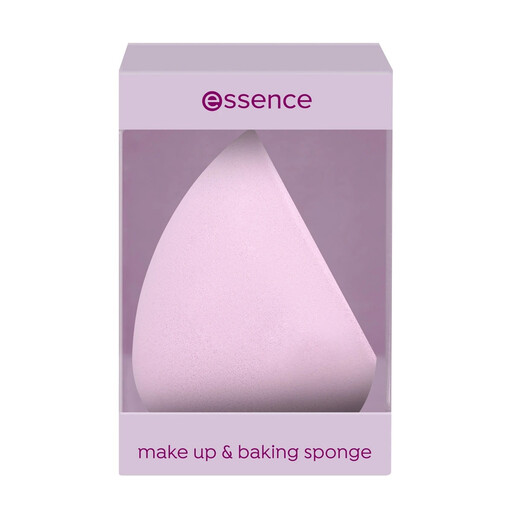
- Why we recommend this product: This model combines a classic shape with a slanted edge, making it a multi-functional tool. The material composition is declared as vegan, and according to the manufacturer, the packaging is made from 100% recycled material.
- Pros:
- Multi-functional shape for foundation application and the baking technique.
- Vegan material.
- The slanted side allows for precise powder application.
- Best for: Users looking for a versatile tool for both liquid and powder products who value vegan cosmetic accessories.
Jessup My Magical Foundation Sponge Soft Plus
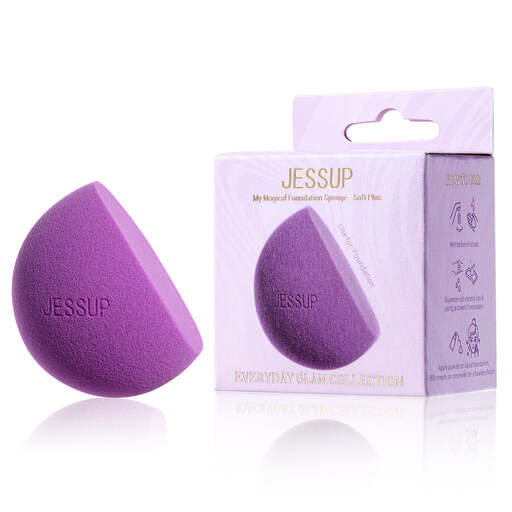
- Why we recommend this product: This product is explicitly designated as latex-free and features a soft, velvety surface. This texture is designed to achieve an exceptionally smooth and natural airbrush finish.
- Pros:
- Latex-free material, suitable for sensitive skin and allergy sufferers.
- Ergonomic design for comfortable handling.
- The surface texture supports streak-free blending.
- Best for: Individuals with latex sensitivity or those who prefer an exceptionally soft material and a natural, skin-like finish.
Heimish Artless Rubycell Puff (5 Count)
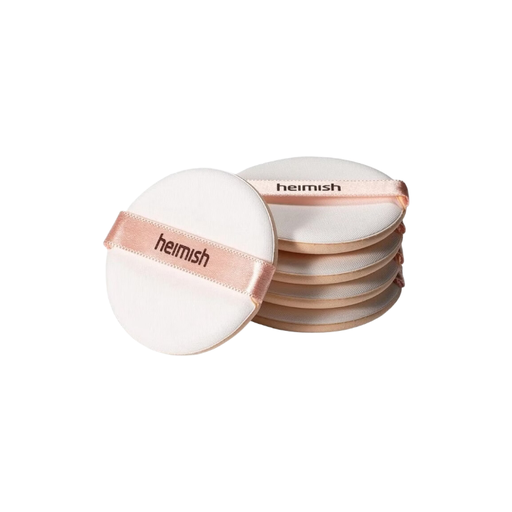
- Why we recommend this product: This applicator is made of Rubycell material, known for its gentle texture and minimal product absorption. The design with an integrated finger band offers enhanced control during application, which is particularly advantageous for precision work.
- Pros:
- Made from extra-soft Rubycell material, ideal for sensitive skin.
- Finger band for improved grip and precise control.
- Comes in a 5-pack, allowing for economical and hygienic rotation.
- Best for: Users with very sensitive skin, as well as individuals who require high precision when applying foundation or concealer and appreciate the qualities of cushion applicators.
More Options in Makeup Accessories
The products featured here represent a selection based on specific material and design characteristics. However, the field of applicators is vast and includes brushes in various shapes, silicone pads, and other specialized tools. You can find an overview of other tools for your needs in our Makeup Accessories category.
Frequently Asked Questions (FAQ)
1. How do you clean a makeup sponge correctly? To clean, dampen the sponge under lukewarm water. Apply a small amount of mild soap or a dedicated sponge cleanser and gently squeeze until the water runs clear. Rinse the sponge thoroughly, press out excess water, and let it air dry completely in a well-ventilated area to prevent mould growth.
2. Should you use a makeup sponge wet or dry? For liquid or cream products like foundation and concealer, wet application is recommended. The water-saturated sponge absorbs less product and ensures an even, sheer finish. For powder products, the sponge can be used dry to achieve higher coverage or to apply the baking technique.
3. What is the difference between a makeup sponge and a powder puff? A makeup sponge (often teardrop-shaped) is primarily designed for blending liquid and cream textures. A powder puff is typically flat, has a velvety or velour-like surface, and is used to press loose or pressed powder onto the skin to set the makeup. It is used less for blending and more for the targeted application of powder.
Written by your Joybuy Product Recommendation Officer

