
Same-day & Next-day Delivery

Quality Guaranteed

Unlock Your Welcome Offers: FREE Delivery | Up to 80% OFF | Free 30-day JoyPlus trial
Download the APP
Anyone looking for authentic Korean rice wine is often faced with a wider selection than expected. This milky, slightly sparkling drink is enjoying a surge in popularity, but trying to buy the right makgeolli can be tricky. Misleading product categories or unclear flavour descriptions can quickly lead to the wrong choice. This guide will help you identify the key characteristics and make an informed decision.
A common problem is confusion with other Asian rice wines. Terms like "rice wine" are very general and can refer to Japanese sake or Chinese Shaoxing wine, which differ significantly from makgeolli in taste, texture, and alcohol content. Another hurdle is managing taste expectations. Many people are unaware that, in addition to the traditional original, there are flavoured varieties that offer a completely different experience. Furthermore, artificial sweeteners can drastically alter the flavour profile, which can be disappointing for purists who love the original taste.
To ensure you find the right Korean rice wine for your palate, you should check three key parameters. These will help you objectively evaluate product features and see through marketing claims.
The alcohol content of makgeolli typically ranges from 3% to 8% ABV and is a crucial factor in the taste experience.
Also, pay close attention to the ingredients list, especially the sweeteners used. While some products use fructose or oligosaccharides for a natural sweetness, others contain artificial sweeteners like aspartame (E951), which can create a more intense but, for some palates, less balanced flavour.
Most makgeolli you can order online outside of Korea is pasteurised (Salgyun Makgeolli). This heat treatment deactivates the yeast cultures, which has two main consequences:
Unpasteurised makgeolli (Saeng Makgeolli) is rarely found outside of Korea, as it must be kept refrigerated and has a shelf life of only a few weeks. It offers a livelier, more effervescent taste experience because fermentation continues in the bottle.
Two well-known brands that offer a good starting point are Kooksoondang Makgeolli and Woorisool Makgeolli. Both producers offer classic as well as flavoured varieties.
Instead of making a blanket recommendation, we have matched products to different flavour profiles and occasions.
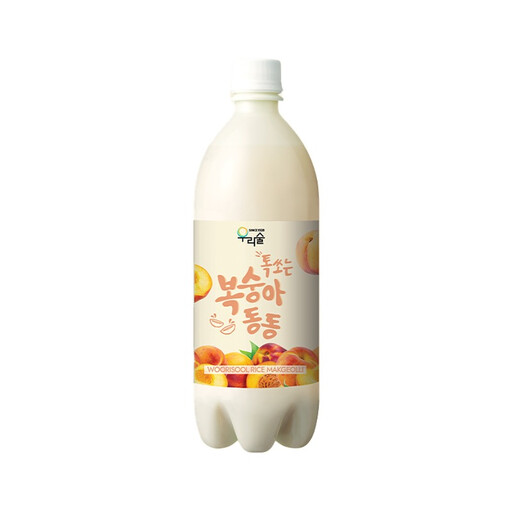
Why This Fits Their Persona: Ideal for anyone trying makgeolli for the first time or who prefers a lighter, sweeter alternative. The distinct peach flavour makes it very approachable and refreshing.
This product is clearly labelled as a flavoured variety, avoiding the disappointment of expecting a traditional taste. The low alcohol content of 3% ABV is transparently stated.
Very light and fruity taste; low alcohol content makes it an easy-drinking beverage for many occasions.
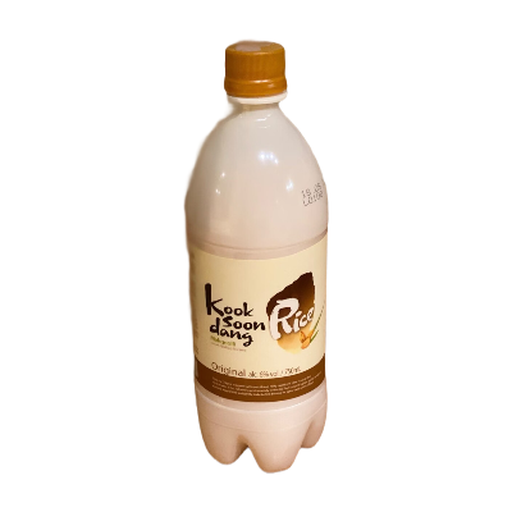
Why This Fits Their Persona: For those looking for the authentic, traditional makgeolli taste. Kooksoondang is one of the most famous brands and offers a balanced, classic profile that serves as a benchmark for Korean rice wine.
This product delivers exactly what you'd expect from an original makgeolli: a milky texture with a balance of sweetness and acidity, without the distraction of added fruit flavours.
Authentic flavour profile with 6% ABV; pairs versatilely with a wide range of Korean dishes.
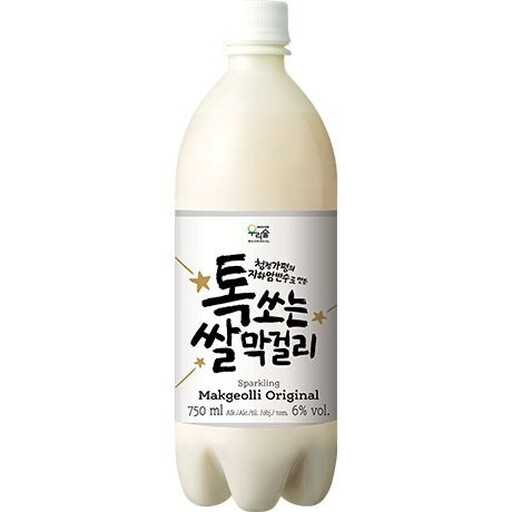
Why This Fits Their Persona: A solid choice for sharing a meal with friends. The classic taste isn't too niche, and the 6% ABV is moderate, making it a great companion for an entire meal.
As the original version from Woorisool Makgeolli, this product offers a reliable, traditional taste, preventing any confusion with overly sweetened or flavoured drinks.
A well-balanced all-rounder that works well chilled on its own or as an accompaniment to a variety of foods, especially savoury Korean pancakes (Pajeon).
We have compiled a complete, up-to-date list of products that fully meet these strict selection criteria and local regulations.
Makgeolli should always be stored upright in the refrigerator to prevent leakage from the slight pressure build-up. Before opening, gently swirl the bottle—do not shake—to distribute the sediment at the bottom. Serve it well-chilled in small bowls.
Although both are from Korea, they are fundamentally different. Makgeolli is a fermented, unfiltered rice beverage with a milky texture, a low alcohol content (3–8% ABV), and a sweet-and-sour taste. Soju, on the other hand, is a clear, distilled spirit that typically has an alcohol content of 16–25% ABV and is more comparable in taste to vodka.
Traditionally, makgeolli is enjoyed with savoury and often spicy Korean dishes. It harmonises particularly well with Pajeon (Korean pancakes), Kimchi, Dubu Kimchi (tofu with stir-fried kimchi), and Bulgogi. The slight sweetness and acidity of the drink provide a pleasant contrast to the spiciness of the food.