
Lieferung heute & morgen

Qualitätsgarantie

Willkommens-Angebote freischalten: KOSTENLOSE Lieferung | Bis zu 80 % RABATT | Kostenlose 30-Tage-JoyPlus-Testphase
App herunterladen
A homemade pizza, fresh from the oven, is a culinary experience. Yet, the path to perfection can be fraught with unsuitable products and disappointing results. Many home cooks invest in equipment that fails to live up to its marketing promises. Before you spend your money, it's crucial to understand the most common pitfalls to make an informed decision.
A common problem is pizza trays with low-quality non-stick coatings that quickly wear out or even peel at the high temperatures required for pizza. Another pitfall is so-called pizza ovens that are little more than tabletop grills and fail to generate the heat needed for an authentically crispy crust. Finally, using standard all-purpose flour often results in a dense, bread-like dough instead of a light, elastic base.
To avoid these issues, you should focus on a few crucial technical parameters. These will largely determine the quality of your homemade pizza.
The key to a perfect pizza dough lies in the flour. When you're making pizza dough yourself, choosing the right flour is fundamental. Standard all-purpose flour often has a protein (gluten) content that is too low. For an elastic, easily stretchable dough that develops an airy crumb and a crispy crust when baked, a specialised pizza flour is required.
Look for the designation Tipo 00. This Italian flour is milled from the heart of the wheat kernel, is exceptionally fine, and has a high but soft gluten content. This allows the dough to absorb a lot of water and develop a supple structure that can be stretched thin without tearing. A good example is the Friesinger Mühle Tipo 00 Pizzamehl, which was developed specifically for these requirements.
For a crispy crust, high, even bottom heat is essential. There are two common options here:
Those who bake pizza regularly will benefit from specialised equipment. A high-performance stand mixer for pizza dough takes the strenuous work out of kneading. A powerful motor (e.g., a pure copper motor) and a sturdy dough hook are important here to process even firm doughs effortlessly.
For the ultimate at-home pizza experience, a dedicated home pizza oven might be worth considering. Unlike a conventional oven, these appliances reach temperatures of up to 400°C. This extreme heat is necessary to bake a pizza in just a few minutes, resulting in a perfectly risen crust (the "cornicione") and a juicy topping.
Based on these objective criteria, we have compiled a selection of products suitable for different needs and ambitions.
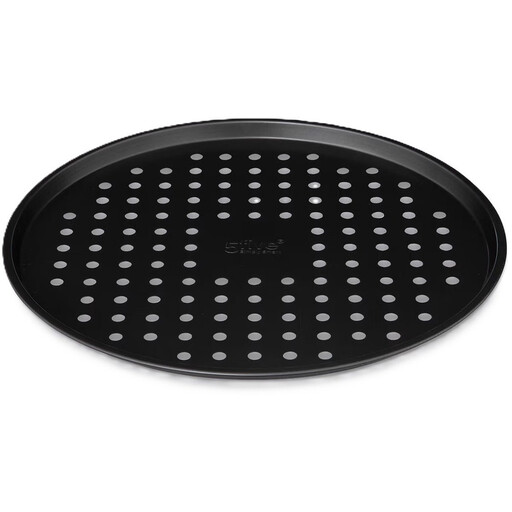
Why This Fits Their Persona: Ideal for anyone who wants to achieve a crispy pizza crust in their home oven without a major investment. It's easy to use, and the results far surpass those of a standard baking sheet. Perfect in combination with a ready-made pizza sauce like the Kewpie Bakery PIZZA SAUCE or a baking mix like the Dr. Oetker Italian Style Pizza Crust.
This tray avoids the trap of inferior coatings with a durable ILAG non-stick layer and solid steel construction. The perforations actively promote a dry, crispy crust.
Perforated Design: Ensures optimal air circulation for an evenly browned, crisp crust. Robust Quality: Made from steel with a durable non-stick coating.

Why This Fits Their Persona: For those who enjoy the pizza-making process from scratch and regularly prepare dough. This machine offers the power and capacity to effortlessly create perfect pizza dough, as well as bread or cake batter.
Unlike underpowered hand mixers or the tedious process of manual kneading, this machine features a 400W pure copper AC motor and a sturdy dough hook that reliably handles even heavy doughs without overheating.
Powerful Motor: Efficient and thorough kneading for optimal gluten development. Large Capacity: The 5-litre stainless steel bowl is large enough for dough for several pizzas. Versatile Accessories: Includes a dough hook, whisk, and flat beater.

Why This Fits Their Persona: For pizza lovers who want to replicate the authentic taste and texture of a stone-oven pizza at home. This appliance is specifically designed for baking at extremely high temperatures, delivering results a conventional oven can't match.
This isn't a repurposed tabletop grill. It's a true pizza oven that reaches temperatures of up to 400°C and features an integrated ceramic pizza stone to transfer heat efficiently and absorb moisture.
High Baking Temperature: Reaches up to 400°C for fast baking times (4–5 minutes) and an authentic, risen crust. Integrated Pizza Stone: Ensures an extremely crispy crust. Top and Bottom Heat: Guarantees even cooking.
We've compiled a complete, up-to-date list of products that fully meet these strict selection criteria and safety standards.
For an authentic, elastic pizza dough, Italian Tipo 00 wheat flour is the recommended choice. It has the optimal protein content for the necessary stretchiness and a fine texture. While conventional all-purpose flour can be used, it often leads to a denser, less airy result.
A pizza stone should be preheated along with the oven at the highest possible temperature (usually 250°C or higher) for at least 30 to 45 minutes. Only a thoroughly heated stone can transfer the necessary heat to the dough quickly enough to create the desired crispy crust.
An electric home pizza oven is worthwhile for people who bake pizza regularly and value an authentic result. Thanks to significantly higher temperatures (up to 400°C) compared to a conventional oven, the pizza is ready in minutes. The result is an airy, leopard-spotted crust and a crispy base, which is difficult to achieve in a normal oven. For the occasional pizza maker, however, a good pizza stone or a perforated pizza tray can already offer a significant improvement.