
Lieferung heute & morgen

Qualitätsgarantie

Willkommens-Angebote freischalten: KOSTENLOSE Lieferung | Bis zu 80 % RABATT | Kostenlose 30-Tage-JoyPlus-Testphase
App herunterladen
A wooden picture frame serves two primary functions: protecting a picture, poster, or document from environmental factors and presenting it aesthetically. The choice of a suitable frame depends on a range of technical parameters concerning the material, dimensions, and construction. This guide analyses the crucial criteria for an objective evaluation of wooden picture frames.
Choosing a photo frame should be based on an objective assessment of material properties, functionality, and compatibility with the object being framed.
The core of any frame is its profile material. A distinction is typically made between solid wood and engineered wood products (e.g., MDF).
The front panel protects the image from dust, moisture, and contact.
The size of the frame must match the picture. Standard formats like A4 picture frames (21 x 29.7 cm) are widely used for certificates and photos. For larger prints or artworks, poster frames in formats such as 40x50 cm or larger are suitable. It is important to check whether the specified dimensions refer to the inner dimension (image size) or the outer dimension of the frame.
A mat is a cardboard insert placed between the picture and the front panel. It serves several purposes:
Presentation flexibility is an important factor. Many smaller frames offer both hangers for wall mounting (horizontal and vertical) and an easel back for tables or shelves. For larger frames, only wall mounting is usually provided for stability reasons. The quality of the hangers and hinges is crucial for a secure and lasting installation.
The standard frame depth is designed for flat objects like photos or prints. A 3D picture frame, also known as a shadow box frame, has a greater distance between the backboard and the front panel. This allows for the framing of three-dimensional objects such as medals, dried flowers, or small keepsakes up to a defined depth (e.g., 1.5 cm).
Based on the technical criteria mentioned, we present a selection of products that stand out for their specific features and applications.
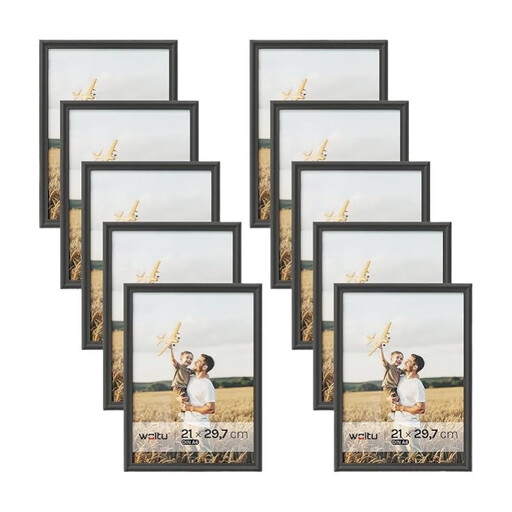
Why we recommend this product: This picture frame set offers a systematic solution for creating a uniform gallery wall. The ten frames in the standard A4 format allow for a cohesive presentation of certificates, photo series, or art projects. The material combination of solid wood and a shatterproof PS panel is designed for everyday use.
Pros:
Who it's for: Individuals looking to create a complete gallery wall or a collage with a consistent look. Ideal for office and living spaces to display documents, photo series, or a collection of smaller artworks.
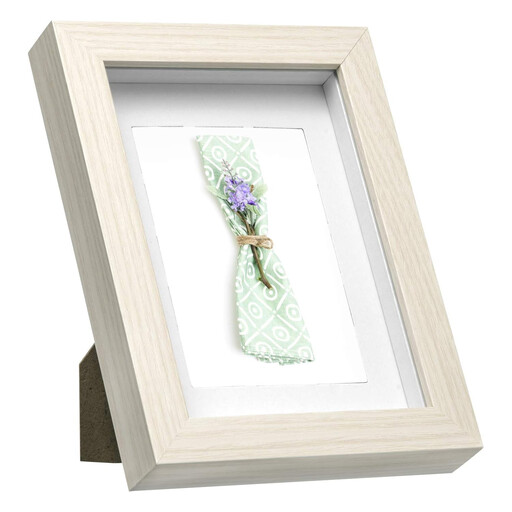
Why we recommend this product: The defining feature of this frame is its depth. Designed as a 3D picture frame, it allows for the framing of objects up to 1.5 cm thick. This expands its use beyond flat pictures to three-dimensional keepsakes. The real glass front panel ensures high transparency and scratch resistance.
Pros:
Who it's for: Crafters and collectors who want to display small objects, medals, shells, or other three-dimensional mementos in a decorative, dust-proof way.

Why we recommend this product: This model is designed as a large-format poster frame. The 40x50 cm dimensions are suitable for standard posters, art prints, or large photographs. The solid pine wood construction provides the necessary stability for this size. The included mat increases flexibility, as smaller pictures (e.g., 30x40 cm format) can also be framed stylishly.
Pros:
Who it's for: Art lovers and interior decorators who want to adorn larger wall spaces with posters, prints, or photographs. Also suitable for artists presenting their own works in 40x50 cm format or smaller.
While the frames presented here are optimised for displaying works on paper, photos, and posters, artwork stretched on canvas requires a different type of mounting. For such applications, stretcher bars are an excellent choice, as they tension the artwork without the need for a front panel or a visible outer frame.
1. What is the functional difference between a wooden and an aluminium picture frame? A wooden picture frame offers a natural, warm aesthetic and often features a visible grain. It complements classic or rustic interior styles well. Aluminium frames, in contrast, have a more modern and minimalist look. They are very dimensionally stable, lightweight, and resistant to humidity, making them suitable for bathrooms or kitchens. The choice is primarily a matter of the desired visual style and the environment of use.
2. Is a mat strictly necessary? A mat is not strictly necessary, but it is functionally recommended. It protects the surface of the picture from direct contact with the glass pane, which can prevent discolouration or sticking. Aesthetically, it creates a visual buffer that draws focus to the subject and gives the framed piece a more professional appearance.
3. How are wooden picture frames cleaned correctly? Cleaning should be done gently to protect the material. The wooden frame itself is best wiped with a dry or slightly damp, soft cloth. Harsh cleaning agents should be avoided as they can damage the finish or the wood. The plastic front panel (PS sheet) should also be cleaned with a damp cloth; glass cleaners containing ammonia should be avoided as they can cloud the material. For real glass, a standard commercial glass cleaner can be used.