
Lieferung heute & morgen

Qualitätsgarantie

Willkommens-Angebote freischalten: KOSTENLOSE Lieferung | Bis zu 80 % RABATT | Kostenlose 30-Tage-JoyPlus-Testphase
App herunterladen
If you’re looking to buy MAMMUT Nutrition Whey Protein 1000 g, you’ll probably be considering protein content, flavour and price. But with whey protein powder, unclear serving sizes, hidden allergens and exaggerated BCAA claims can quickly lead to the wrong choice. This buying guide explains which details really matter and which options may suit different needs.
“27 g of protein per serving” sounds clear, but it isn’t always. For some flavours, this figure refers to the powder alone; for others, it refers to a protein shake made with 300 ml of semi-skimmed milk. Milk adds protein and also changes the calorie, sugar and fat content.
So check:
For MAMMUT products, the recommended amount of powder varies by flavour and is around 25 to 32 g, for example. For a fair comparison, look at the nutritional values per 100 g and per serving.
Whey protein naturally contains branched-chain amino acids such as L-leucine, L-isoleucine and L-valine. A BCAA whey protein can therefore provide these amino acids through its whey protein content. Simply promoting a product as containing BCAAs says little about its total protein content, ingredients or how well you’ll tolerate it.
Instead, check:
A protein shake can be lighter and lower in calories when made with water, while milk makes it creamier and adds protein. Claims such as “perfectly soluble” are best judged in practice: the amount and temperature of the water, the quality of your shaker and how much powder you use all affect the result.
Flavours containing cocoa, chocolate pieces or thickening agents may have a different consistency from plainer options. If you drink a shake every day, choose a flavour that will work for you in the long term and fit into your meal plan.
For athletes, strength trainers and active adults, protein content is the key point of comparison. MAMMUT Nutrition varieties are advertised as providing up to 27 g of protein per serving. The important thing is to check whether this figure refers to the powder or to a shake made with milk.
A 1000 g pack works out at around 40 servings if you use 25 g per serving. With 30 to 32 g servings, you’ll get fewer servings. If you regularly plan to have a protein shake after training, factor this difference into the cost per serving.
Whey protein concentrate is made from milk. All the varieties featured contain milk or may contain milk ingredients. They may therefore not be suitable for people with a milk allergy or significant lactose sensitivity. Possible traces of soya, gluten or egg may also affect your choice.
If you’re looking for a vegetarian protein powder, several varieties are labelled “vegetarian”. However, vegetarian doesn’t mean dairy-free or vegan. Always check the ingredients list on the product page and the packaging.
The products are generally mixed with water or semi-skimmed milk and measured using a scoop. For a post-workout protein shake, clear dosage instructions and resealable packaging are useful. When preparing your shake:
A protein powder for muscle building is no substitute for a balanced diet. If you have an existing health condition, are pregnant or breastfeeding, or take medication, check with a medical professional before using it.
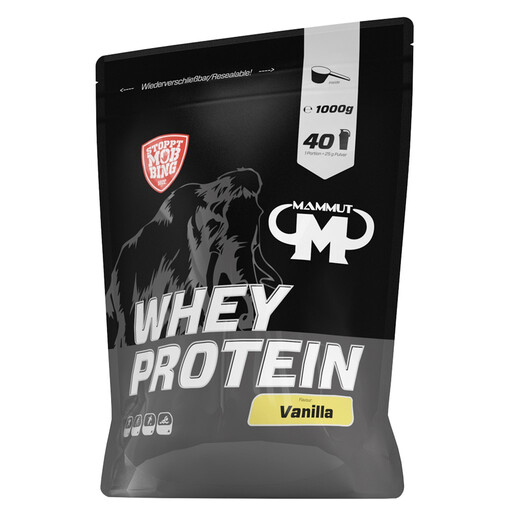
Why it suits this profile: The classic vanilla flavour can be mixed with water or milk, making it a good choice for beginners looking for an easy protein shake for everyday use.
The serving is listed as 25 g of powder, prepared with 300 ml of liquid. This makes it easier to work out the dosage before you buy.
1000 g pack, measuring scoop and whey protein concentrate as a protein source; described as vegetarian in the product information.
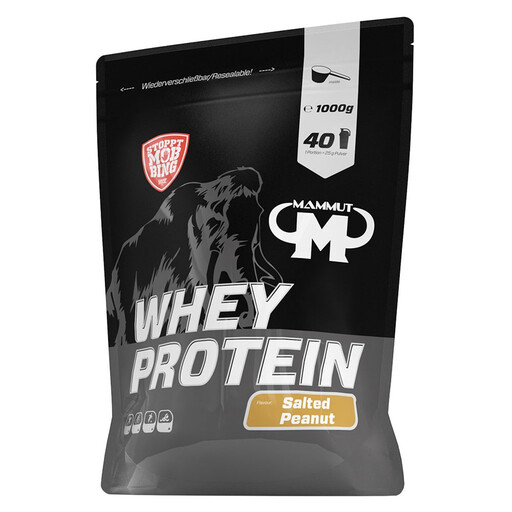
Why it suits this profile: This variety is for buyers who want to compare the ingredients and nutritional values in their daily serving as well as the protein content.
The product information lists 29.4 g of whey protein concentrate per 32 g serving, along with carbohydrates, fat and salt. This makes it easier to assess the product in more detail.
According to the product description, 27 g of protein per serving, naturally occurring BCAAs, and can be prepared with water or milk.
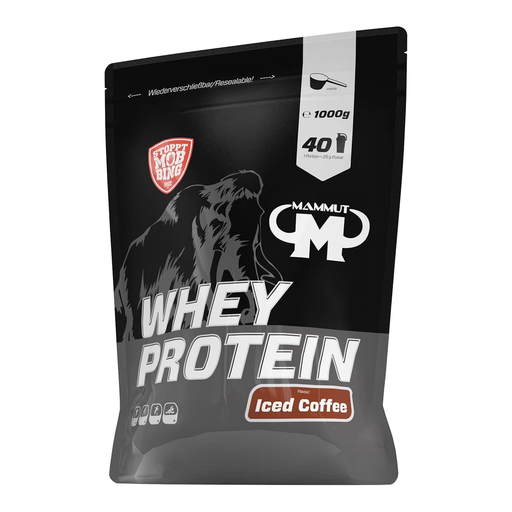
Why it suits this profile: The iced coffee flavour is a good option if you like your protein shake to have a coffee taste and plan to enjoy it after training or as a snack.
The ingredients information lists 6% coffee extract. This makes it clear that the flavour comes from more than just coffee flavouring.
1000 g pack, measuring scoop, whey protein concentrate and coffee extract, according to the product description.
We’ve put together a complete, regularly updated list of products that meet these strict selection criteria and fully comply with the safety regulations in force in the EU.
Depending on the variety, mix around 25 to 32 g of powder with about 300 ml of water or semi-skimmed milk. Follow the dosage instructions on the relevant pack. A shaker helps you mix it evenly.
At 25 g of powder per serving, a pack works out at around 40 servings. Larger servings mean fewer shakes. Check the serving size on the product page and compare the price per serving rather than just the pack price.
Whey protein is made from milk, and the products featured contain milk or may contain milk ingredients. If you have lactose intolerance or a milk allergy, check the ingredients list carefully and seek medical advice if needed.