
Lieferung heute & morgen

Qualitätsgarantie

Willkommens-Angebote freischalten: KOSTENLOSE Lieferung | Bis zu 80 % RABATT | Kostenlose 30-Tage-JoyPlus-Testphase
App herunterladen
A good mandoline slicer saves time and ensures uniform, appealing results in the kitchen—from paper-thin cucumber slices for salads to perfect potato gratins. However, the market is flooded with models whose promises don't hold up in practice. Many buyers quickly find that their new kitchen gadget causes more frustration than joy. Before you make a decision, it's crucial to understand the typical weaknesses that can render an initially promising product useless.
This guide focuses on the objective criteria that distinguish a reliable vegetable slicer from an unsuitable one. We'll highlight the three most common design flaws that lead to disappointment and show you what to look out for.
To avoid a bad buy, you should focus your attention on a few crucial technical features. These determine the safety, durability, and quality of your slicing results.
The blade is the heart of every mandoline slicer. Here, stainless steel is the material of choice, ensuring durability, rust resistance, and hygiene. Besides the material, pay attention to the blade type:
A flexible multi-slicer stands out for its adaptability. A continuously or incrementally adjustable slice thickness is a core function that allows you to precisely control the thickness of the slices—from paper-thin to several millimetres. Additional inserts significantly expand its functionality. A Julienne slicer, for example, cuts fine strips for salads or stir-fries, making the slicer a more versatile tool.
A high-quality mandoline slicer with a finger guard is an absolute necessity. The food holder should securely grip the vegetable with metal or plastic pins and allow for smooth guidance over the blade. Equally important is the stability of the entire device. Non-slip feet or a notch that allows it to be hooked onto a bowl ensure the slicer does not slip during use.
Choosing the right model heavily depends on individual cooking habits and requirements. Here are three recommendations tailored to different user profiles.
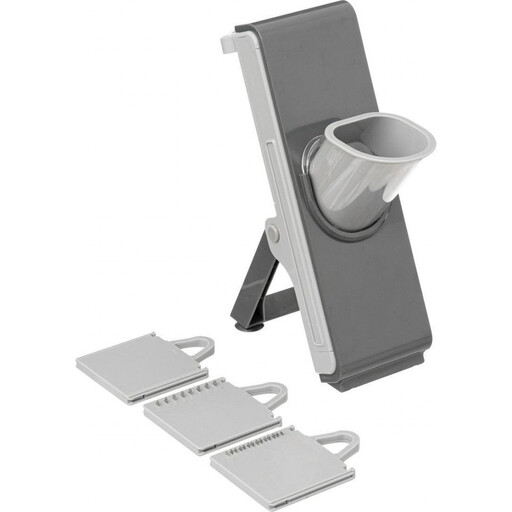
Why This Fits Their Persona: Ideal for anyone seeking a classic kitchen mandoline but unwilling to compromise on safety. Its versatile functions cover the most common slicing tasks without being overwhelming.
Directly addresses the pitfall of an inadequate finger guard. The included pusher is designed to guide food securely and keep fingers far away from the blade.
Multifunctional design for slicing, grating, and shredding. The blades are made of stainless steel and the body is crafted from durable ABS plastic.
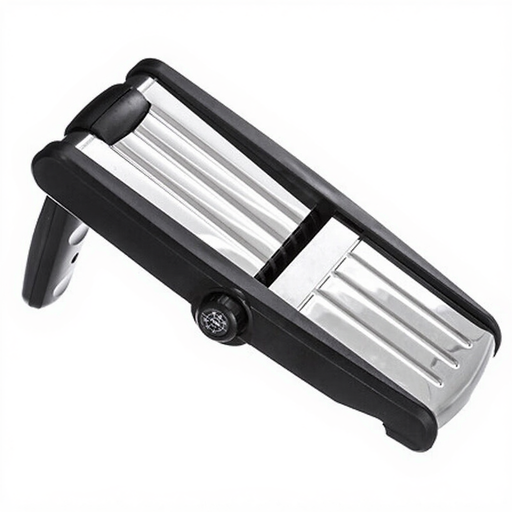
Why This Fits Their Persona: Perfect for users who want a straightforward, space-saving device for quickly preparing salads and vegetable side dishes. The three blades efficiently cover basic slicing tasks.
The compact and thoughtful design avoids the trap of complicated cleaning. Few parts and smooth surfaces made of ABS and stainless steel are easy to rinse under running water.
Very compact dimensions (L 24.5 x W 13 x H 12.7 cm) for easy storage. The low weight of only 365 g makes handling effortless.
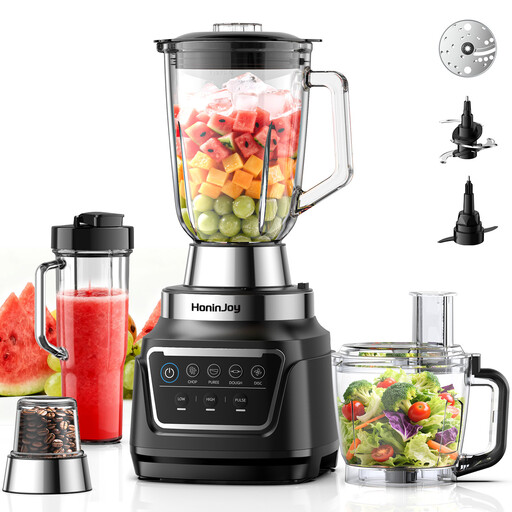
Why This Fits Their Persona: For home cooks looking for an electric all-in-one solution. This device is more than just a vegetable slicer; it's a food processor that also blends, purées, chops, and kneads dough.
Sidesteps the pitfall of dull blades by using a powerful motor. The slicing and grating discs are driven with constant force, ensuring consistent results without manual effort.
10-in-1 functionality, including slicing and grating functions. The detachable parts are dishwasher-safe, which greatly simplifies cleaning.
We have compiled a complete, up-to-date list of products that fully meet these strict selection criteria and high safety standards.
The safest method is to clean it immediately after use under running water. Use a dish brush to remove vegetable residue from the blades, and never touch the cutting edges directly. Many models have dishwasher-safe parts, but always check the manufacturer's instructions for this. A clean device is not only more hygienic but also more durable.
A slicer with a straight blade cuts the vegetable in a single, straight motion. This works well for firm varieties. A V-slicer has two blades set at an angle to each other. These cut the food from the sides toward the center, which distributes pressure and reduces the force required. The result is often cleaner cuts, especially with soft vegetables like tomatoes or zucchini.
Yes, it's possible, but success largely depends on the quality of the slicer. Models with a sharp V-blade have a clear advantage here, as they cut cleanly through the soft flesh instead of crushing it. For very soft fruits, it also helps if they are well-chilled, as this gives them more firmness.