
Same-day & Next-day Delivery

Quality Guaranteed

Unlock Your Welcome Offers: FREE Delivery | Up to 80% OFF | Free 30-day JoyPlus trial
Download the APP
The selection of exotic drinks is constantly growing, and mango drinks, in particular, are becoming increasingly popular. However, this expanding market doesn't make the choice any easier. Packaging may promise a tropical delight, but not every product delivers on its promise. Before you buy your next mango drink, you should know the typical pitfalls to make an informed choice.
As a Joybuy Product Recommendation Officer, my job is to filter market information and provide you with objective, practical advice to help you separate marketing claims from facts.
The 3 Most Common Pitfalls When Buying Exotic Drinks:
To make an informed decision, it's helpful to check three key parameters on the label. These will give you a clear idea of the drink's quality and character.
A product's designation is not a marketing gimmick but is subject to clear regulations in the EU.
A close look at the ingredient list is essential. Pay attention to the order of the ingredients—what is listed first is present in the largest quantity. If sugar or fructose is high on the list, the drink is likely very sweet. Brands like OKF or Mogu Mogu offer a variety ranging from reduced-sugar options to rich smoothies. Those specifically looking for such products can often find them in a well-stocked online Asian supermarket.
Some of the most popular exotic drinks owe their appeal to a unique texture.
Instead of making a blanket recommendation, we have selected products for different user profiles.
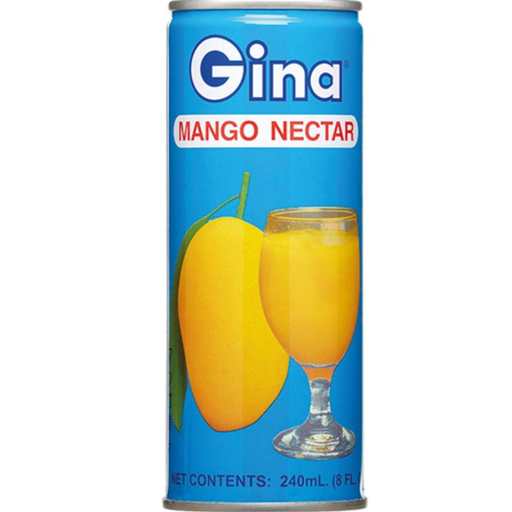
Why This Fits Their Persona: Ideal for those seeking the most authentic and intense mango flavour. Its thick, nectar-like consistency provides a high-quality, pure fruit experience.
It bypasses the fruit content trap with a declared 35% mango puree content, far exceeding the minimum for nectar and ensuring a full-bodied flavour.
Very high pulp content (35%); thick, velvety texture; authentic taste from high-quality puree.
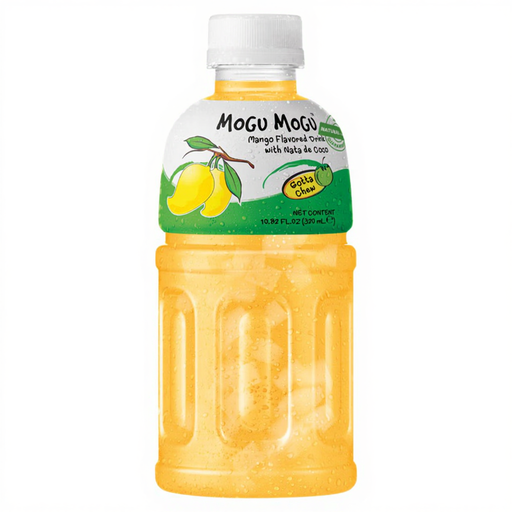
Why This Fits Their Persona: Perfect for fans of Asian culture and anyone looking for a drink with entertainment value. Chewing the nata de coco pieces turns every sip into a small experience.
It avoids the texture trap by clearly stating its 25% nata de coco content. The buyer knows exactly what chewy experience to expect and gets a product where the inclusion plays a starring role.
Unique mouthfeel from the combination of juice and chewy pieces; high brand recognition; refreshing mango flavour.
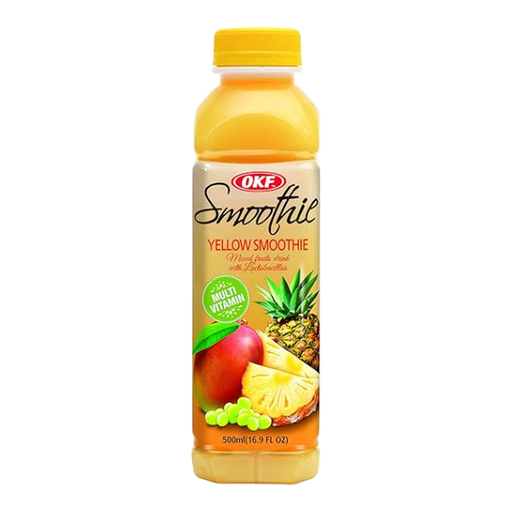
Why This Fits Their Persona: Suitable for health-conscious individuals looking for a satisfying on-the-go drink. The OKF Smoothie serves as a quick snack or breakfast replacement, combining mango with other fruits.
It counters the sugar trap through transparency. Although the product is sweetened, it clearly positions itself as a smoothie with a detailed ingredient list, enabling an informed choice.
Convenient 500ml bottle; satisfying smoothie consistency; combination of several fruit types for a complex flavour profile.
We have compiled a complete, up-to-date list of products that fully meet these strict selection criteria and regulations.
The main difference is the fruit content. Mango juice must be 100% fruit, with no added sugar. Mango nectar has a legally mandated minimum fruit content of 25% and may contain added water and up to 20% sugar. Due to the thick, puree-like nature of mangoes, most commercially available products are nectars or fruit juice drinks.
Nata de coco is a chewy, translucent, jelly-like substance produced through the bacterial fermentation of coconut water. It has a mild, slightly sweet taste and a pleasant, firm texture. In drinks, it serves as a popular, edible inclusion that provides a unique chewing experience.
After opening, mango drinks, especially those without preservatives, should be stored tightly sealed in the refrigerator. It is recommended to consume them within 2 to 3 days to maintain freshness and flavour. Always follow the specific instructions on the manufacturer's packaging.