
Lieferung heute & morgen

Qualitätsgarantie

Willkommens-Angebote freischalten: KOSTENLOSE Lieferung | Bis zu 80 % RABATT | Kostenlose 30-Tage-JoyPlus-Testphase
App herunterladen
The selection of mango drinks available in stores is vast and can quickly become overwhelming. From thick nectars and light juice drinks to varieties with chewable pieces, the differences in taste, texture, and composition are significant. This article serves as a guide. It introduces various types of mango drinks and provides objective information to help you find the product that best suits your preferences.
As your Joybuy Product Recommendation Officer, I have compiled the relevant product information to provide you with a factual basis for your decision.
To buy the right mango drink, it's helpful to know a few basic criteria. The following points can assist you in your selection.
The labels on the packaging provide an initial clue about the composition. In many regions, these terms are clearly defined:
Pay attention to the stated fruit or puree content in the ingredients list to choose a product that matches your expectation of intensity.
Many Asian beverages are distinguished by their unique textures. In addition to pure juice, there are exotic juices enriched with additional components:
These additives significantly change the mouthfeel and offer a departure from conventional juices.
Here you will find a selection of products that represent different flavour profiles and drinking experiences. The descriptions are based on manufacturer information.
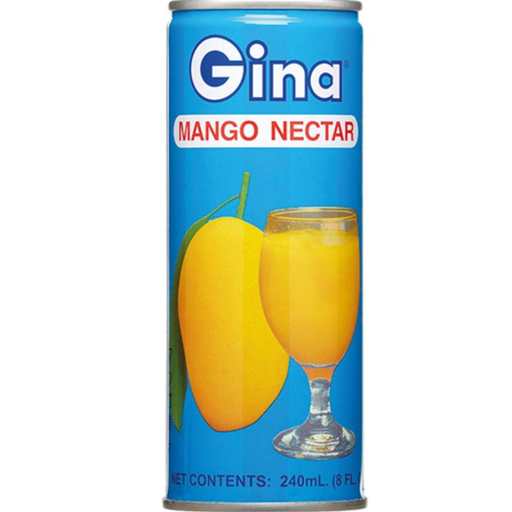
What Makes It Special The Gina Mango Juice Drink is a juice beverage with an exceptionally high fruit puree content. According to the manufacturer, the drink contains 35% mango puree, which gives it a particularly thick, nectar-like consistency and an intense flavour. The product originates from the Philippines, a region known for its aromatic mangoes.
Pros
Who Is It For? This drink is ideal for those who prefer the pure, concentrated taste of mango and appreciate a thick, nectar-like consistency. It is suitable on its own as a refreshment or as a base for desserts and cocktails.

What Makes It Special The OKF Aloe Vera drink combines the flavour of mango with the textural properties of aloe vera. According to the ingredients list, it contains 30% aloe vera, including small pulp pieces. This combination creates a refreshing and simultaneously interesting drinking experience.
Pros
Who Is It For? This drink is aimed at consumers looking for a change from classic juices and who enjoy beverages with added textural components. It is a great choice for anyone wanting to try the taste of mango combined with the properties of aloe vera.
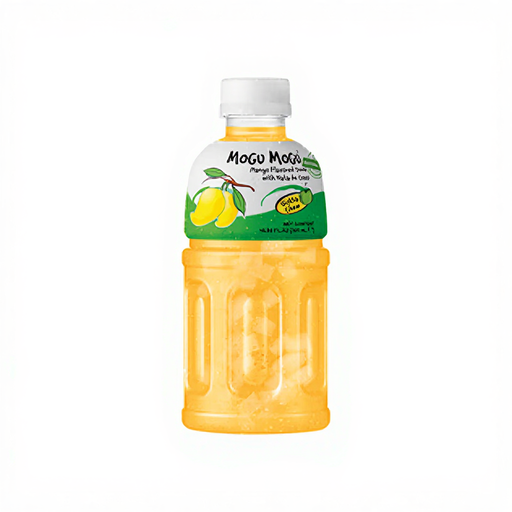
What Makes It SpecialMogu Mogu Mango is known for its unique concept as a "chewable drink." Each sip contains soft, juicy pieces of Nata de Coco (coconut jelly), which, according to the manufacturer, make up 25% of the content. This combination of a sweet mango drink and firm jelly pieces has made the brand popular worldwide.
Pros
Who Is It For? Mogu Mogu is perfect for anyone looking for a playful and interactive beverage. It is especially popular with children, teenagers, and trendsetters who appreciate new and fun food concepts.
The selection presented here covers only a small part of the available range. If you want to discover more varieties or are looking for specific brands and compositions, you will find a greater diversity in our broader category.
? Explore our entire range of mango juice drinks here
1. What is the difference between mango juice and mango nectar? The main difference lies in the fruit content. Mango juice must consist of 100% fruit. Mango nectar has a lower fruit content (at least 25% for mango) and also contains water and sugar. Nectars are often thicker and sweeter than pure juice.
2. What is Nata de Coco in drinks like Mogu Mogu Mango? Nata de Coco is a chewy, translucent substance produced by the fermentation of coconut water. In drinks like Mogu Mogu Mango, it is cut into small cubes and provides a pleasant, chewable texture that makes the drinking experience unique.
3. What is the best way to store exotic juices? Most exotic juices and fruit juice drinks should be stored unopened in a cool, dry place, away from direct sunlight. After opening, they should be refrigerated and consumed within a few days to maintain freshness and flavour. Always follow the storage instructions on the respective product packaging.