
Lieferung heute & morgen

Qualitätsgarantie

Willkommens-Angebote freischalten: KOSTENLOSE Lieferung | Bis zu 80 % RABATT | Kostenlose 30-Tage-JoyPlus-Testphase
App herunterladen
A mango drink can vary considerably depending on its recipe: from a sweet mango drink and mango nectar to concentrated mango fruit purée for desserts. Packaging can look very similar, but fruit content, sugar, consistency and serving size determine whether a product suits your everyday needs.
A tropical label featuring juicy mangoes says little about the recipe. The ingredients list is what matters. Products may contain mango fruit purée, mango pulp, fruit juice concentrate or simply flavouring. The stated fruit content as a percentage is a more practical guide than the packaging design.
Mango juice, mango nectar and mango fruit juice drinks are not necessarily the same. Check the official product description, fruit content and order of ingredients. If sugar appears near the top of the ingredients list, it is present in a significant quantity. A mango drink may also contain other types of fruit, acidity regulators, stabilisers or flavourings.
A 1-litre mango juice or a multipack of mango drinks can be practical if you consume them regularly. For individuals or occasional enjoyment, however, an opened large pack may sit in the fridge for longer. So pay attention to the storage instructions: several products should be refrigerated after opening and consumed within a few days.
Fruit content helps you assess a product, but it does not replace a taste test. A higher proportion of mango fruit purée can result in a thicker consistency. The product details give the following specific examples:
The other ingredients are also relevant. Sugar, fructose, acidity regulators, thickeners and colourings should be assessed using the label. Statements such as “with vitamin C” describe the recipe, but are not a medical claim.
Always compare energy and sugar using the same reference amount. For example, the product data provided for Rauch Happy Day mango nectar states 56 kcal and 13 g of sugar per 100 ml. According to the product details, Sagiko Mango Drink contains 43.75 kcal and 11.9 g of sugar per 100 ml. A 250-ml serving therefore contains more than the per-100-ml figures might suggest.
For taking with you, 250- to 350-ml bottles or individual portions are ideal. Families, offices or households with regular consumption may benefit from 1-litre packs or multipacks. For cocktails, mango lassi, ice cream and desserts, mango fruit purée is often more suitable than ready-to-drink juice because it has a more concentrated consistency.
Also check:
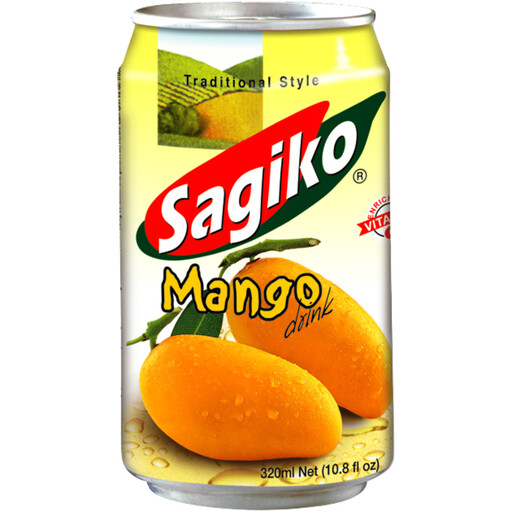
Why this product suits this profile: The 320-ml serving is designed for occasional enjoyment, drinking on the go or accompanying a meal.
The individual size prevents a large pack from being stored unnecessarily long after opening. The nutritional information states 11.9 g of sugar per 100 ml.
Compact 320-ml bottle, suitable for serving chilled and with mango purée listed among the ingredients.
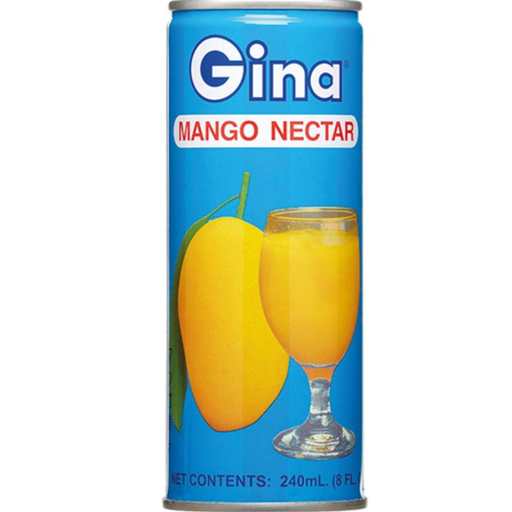
Why this product suits this profile: The product details state 35% mango fruit purée and a 250-ml serving, making it a good fit for a fruit-forward drink with a thicker consistency.
The specific purée content makes it easier to assess than a simple flavour description on the front of the pack.
35% mango fruit purée according to the product details; also suitable for desserts or cocktails.
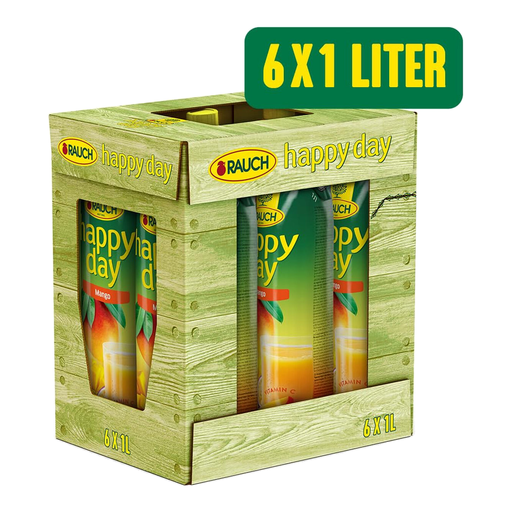
Why this product suits this profile: The multipack of six 1-litre cartons is aimed at families, offices and households with regular demand.
The stated fruit content of 24% and specific pack size make it easier to compare with other large packs.
6 x 1 litre, mango purée and 3% passion fruit juice according to the product data; refrigerate after opening and consume within 3 days.
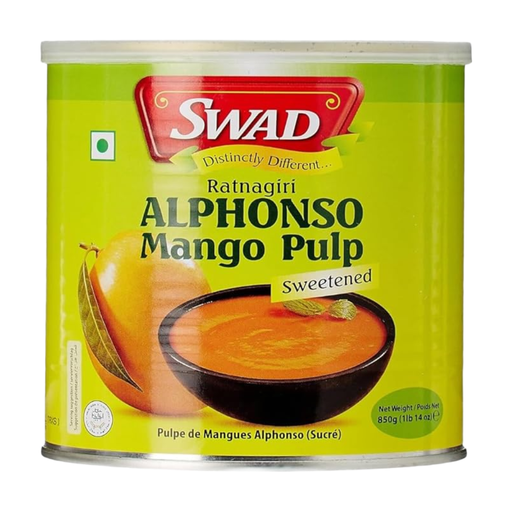
Why this product suits this profile: The mango fruit purée is intended for mango lassi, kulfi, desserts and toppings, rather than as a ready-to-drink mango juice.
The clear intended use prevents sweetened purée from being accidentally bought as a ready-made drink.
850-g tin with 55% Alphonso mango purée according to the product details; after opening, transfer to a suitable container, refrigerate and consume within 3 to 4 days.
Mango juice, nectar and mango fruit juice drinks may differ in their required fruit content and recipe. The official product description, ingredients list and nutritional table on the product are the key sources of information. Check these details rather than focusing solely on the word “juice” on the front of the pack.
This depends on the product. Many drinks should be refrigerated after opening and consumed within a few days. For Rauch Happy Day mango nectar, the product details state 3 days in the fridge. The specific manufacturer’s instructions on each pack always take precedence.
An unopened tin should be stored in a cool, dry place according to the product details. After opening, transfer the purée to a non-metallic, airtight container and refrigerate it. Also check for dents, bulging, an unusual smell or a best-before date that has passed.