
Lieferung heute & morgen

Qualitätsgarantie

Willkommens-Angebote freischalten: KOSTENLOSE Lieferung | Bis zu 80 % RABATT | Kostenlose 30-Tage-JoyPlus-Testphase
App herunterladen
Mango drinks come in many varieties: mango juice, mango nectar, mango juice drink, mango smoothie, mango iced tea or carbonated mango soft drink. The selection also includes Asian mango drinks with fruit pieces, as well as combinations such as mango and passion fruit drinks. However, the product name alone reveals little about the flavour, nutritional values or actual mango content.
When shopping online, you should therefore look beyond eye-catching packaging or terms such as “tropical” and “fruity”. The key factors are the information on the label, the serving size and how you plan to use the drink.
A mango drink may get its flavour from mango flavouring without containing a high proportion of mango purée or mango juice. For example, the OCEAN BOMB One Piece Soda Drink MANGO 330ml lists carbonated water, sugar, fructose, mango flavouring and acidity regulators. The available product information does not specify a precise mango fruit content.
For mango nectar or fruit juice drinks, the percentage is therefore crucial. According to the product information, Rauch Happy Day Mango Nectar contains 24% fruit, including 21% mango purée and 3% passion fruit juice. Gina Mango Juice Drink contains 35% mango purée. These figures make it much easier to assess a product than descriptions based on flavour alone.
Mango, passion fruit and pineapple are naturally sweet. Sugar, fructose or glucose syrup may also be added. You should therefore always compare the nutritional information per 100 ml, rather than looking only at the figures for the whole bottle.
For guidance, based on the products available:
A low calorie value may be achieved through the use of sweeteners. If you prefer to avoid them, you should also check the ingredients list.
A multipack of six 1-litre bottles is ideal for families, stocking up or sharing at mealtimes, but it requires storage space. For drinking on the go, 230 to 350 ml portions are easier to transport. With 500 ml smoothies, you should check the ingredients, any milk content and the refrigeration requirements after opening.
The product description helps you make an initial assessment:
For a fair comparison, use the per-100-ml figure to calculate the value for the actual quantity. A 500 ml bottle with 28 kcal per 100 ml contains 140 kcal in total. A 1-litre carton with 56 kcal per 100 ml contains 560 kcal across the whole pack.
You should also look out for:
Depending on the product, unopened drinks can generally be stored without refrigeration. Once opened, however, you should follow the manufacturer’s instructions. For example, Rauch Happy Day Mango Nectar should be refrigerated and consumed within three days. With smoothies, the instruction to “refrigerate after opening” is particularly important.
Before buying, also check the pack format. Individual portions fit easily into a rucksack or lunch box, while multipacks can reduce the cost per serving but take up more space.
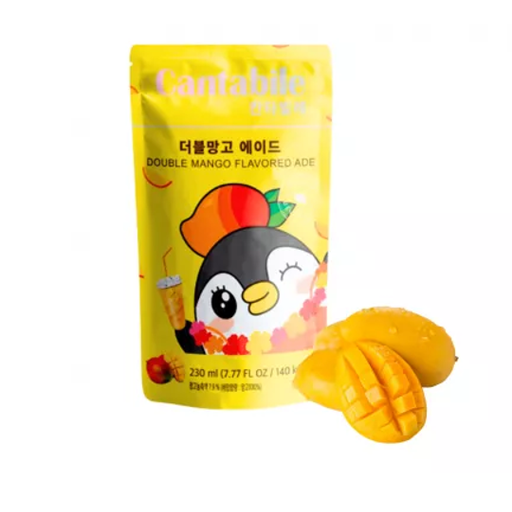
Why this product suits this profile: The 230 ml portion is designed for a single serving and provides 10.26 kcal per 100 ml. This makes it easy to keep track of how much you drink.
The nutritional table clearly lists the sugar, sweeteners and ingredients. If you want to avoid colourings, check for E104 and E102 before buying.
Small individual portion, low stated energy content and mango concentrate listed among the ingredients.
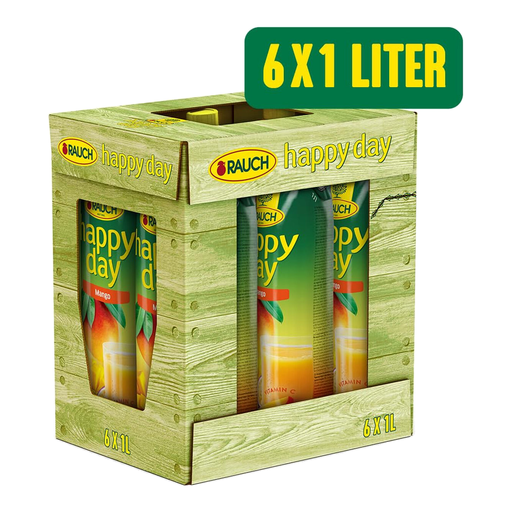
Why this product suits this profile: The stated fruit content of 24% and the combination of mango purée and passion fruit make it easy to assess for mealtimes and family households.
The fruit content is not communicated solely through the product name; it is clearly stated in the product information. The drink also contains 13 g of sugar per 100 ml.
24% fruit, 1-litre carton and clear storage instructions: refrigerate after opening and consume within three days.
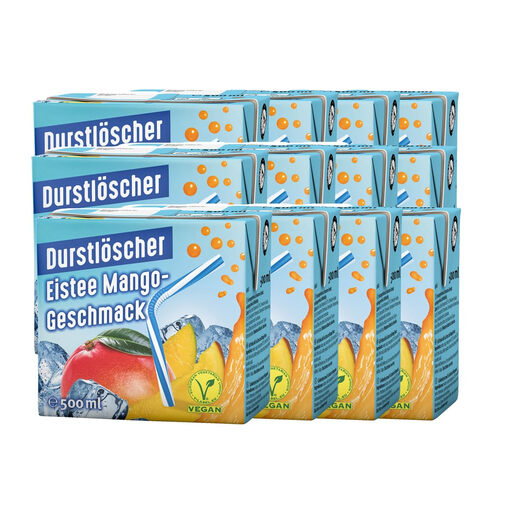
Why this product suits this profile: The pack of 12, totalling 6 litres, is aimed at offices, families and regular consumption. The 0.5-litre units are portioned for drinking on the go.
The low mango content of 0.15% mango purée is clearly worth noting. If you expect a strongly fruity drink, compare this figure with nectars or juices.
Large multipack, 28 kcal per 100 ml and ready-to-drink 0.5-litre portions.
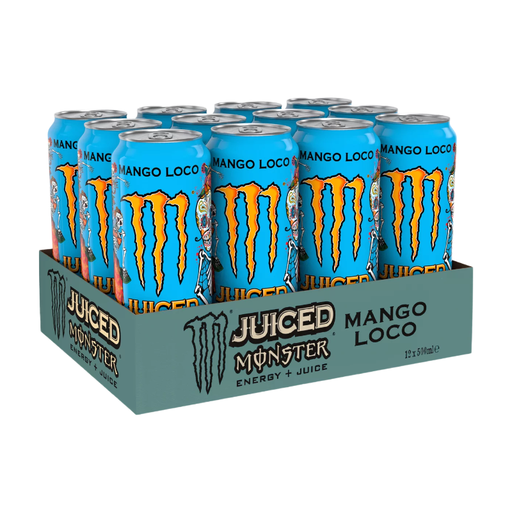
Why this product suits this profile: This drink combines mango with other fruit concentrates and contains 160 mg of caffeine per 500 ml can. It is therefore aimed at adults specifically looking for a caffeinated mango energy drink.
The caffeine content is clearly stated. With 48 kcal and 11 g of sugar per 100 ml, you can also factor this drink realistically into your daily intake.
12 cans of 500 ml each, 9% fruit juice from concentrates and a clearly stated caffeine content.
We have put together a complete, regularly updated list of products that fully meet these strict selection criteria and the safety regulations applicable in the EU.
This depends on the product category and recipe. The available information states that Gina Mango Juice Drink contains 35% mango purée, Rauch Happy Day Mango Nectar contains 24% fruit and Panchy Mango Juice contains 25% mango purée. Always check the current packaging, as recipes and labelling may change.
This varies from product to product. Rauch Happy Day Mango Nectar specifies refrigerated storage and consumption within three days. For other drinks, the instructions may state “within a few days”. The storage and consumption instructions on the relevant packaging are the authoritative guide.
A mango energy drink contains caffeine and should therefore not be confused with an ordinary mango soft drink. Monster Energy Mango Loco contains 30 mg of caffeine per 100 ml. Before buying, parents should check the labelling and avoid confusing caffeinated drinks with fruit drinks intended for children.