
Lieferung heute & morgen

Qualitätsgarantie

Willkommens-Angebote freischalten: KOSTENLOSE Lieferung | Bis zu 80 % RABATT | Kostenlose 30-Tage-JoyPlus-Testphase
App herunterladen
The search for a good mango juice can quickly become overwhelming. The shelf is filled with bottles and cartons, all promising sun-ripened fruits and a tropical delight. But the differences in taste, quality, and price are significant. Vague labelling and clever marketing often lead to disappointment—the drink is watery, overly sweet, or simply doesn't meet expectations.
This guide will help you spot the common pitfalls. We'll show you the objective criteria to look for when shopping, so you can find the exact mango beverage that suits your preferences.
To make an informed decision, you should check three key metrics on the label. These will give you a clear idea of what to expect inside the carton or bottle.
Fruit content is the most important objective measure of a fruit beverage's quality. In Germany, the Fruit Juice and Soft Drink Regulations (Fruchtsaft- und Erfrischungsgetr?nkeverordnung) define the exact terms:
A glance at this designation immediately tells you how intense the fruit experience will be.
The order of ingredients indicates what the product is mostly made of. For an authentic, full-bodied mango-flavoured juice, mango pulp or mango purée should be high up on the list. If "mango juice from mango juice concentrate" is listed instead, water was removed from the juice and later added back, which can lead to a loss of aroma. Also, pay attention to the position of "Sugar" in the list. If it comes before the fruit component, be cautious.
The drinking experience is largely determined by the texture. There are clear differences that should be matched to personal preference:
Here are a few recommendations tailored to different needs and preferences.
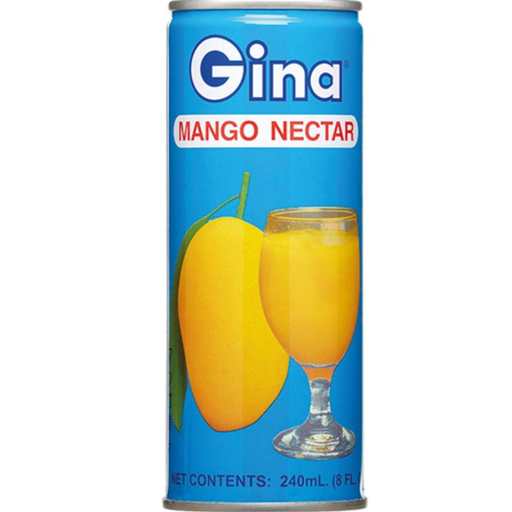
Why This Fits Their Persona: Ideal for anyone seeking the most authentic and dense mango flavour. The nectar-like, smooth texture conveys a high-quality feel and is perfect on its own or as a base for cocktails.
This drink bypasses the vague labelling trap. Despite being classified as a "Juice Drink," it boasts a fruit purée content of 35%—significantly more than many nectars.
The high percentage of mango purée ensures an especially rich, velvety consistency and an intense, natural fruit flavour.
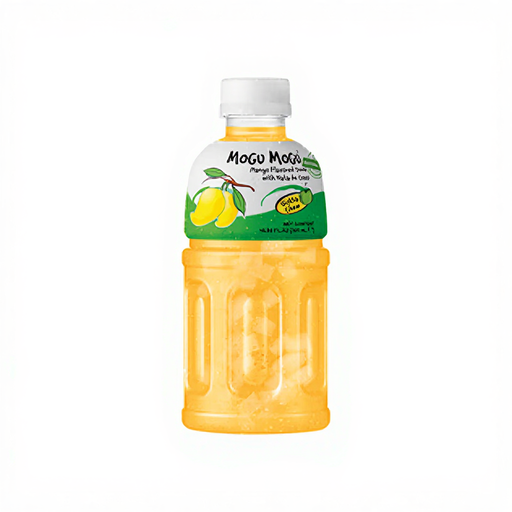
Why This Fits Their Persona: Perfect for anyone looking for a change from conventional juices. This beverage combines a sweet mango taste with a playful chewing experience and is popular with young adults and families.
This product clearly positions itself as an experience-driven drink, not a classic juice. Expectations are set directly on the special texture, which prevents disappointment over a lower juice content.
The main advantage is the unique combination of a drink and a snack, thanks to the included 25% Nata de Coco (coconut jelly pieces), which provide a distinctive mouthfeel.
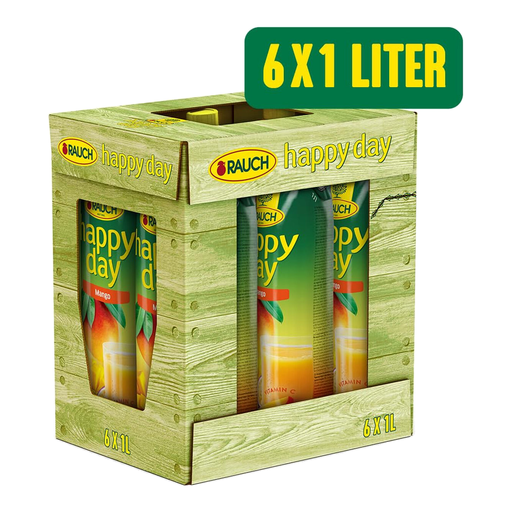
Why This Fits Their Persona: A reliable choice for daily enjoyment or for families. The 1-litre carton offers great value for money, and the brand is known for its consistent quality.
The clear declaration as a Mango Nectar creates transparency. Buyers know they are getting a product with a solid 24% fruit content, optimised for a pleasant drinking consistency.
Offers a balanced, accessible mango flavour refined with a hint of passion fruit. The practical bulk pack is ideal for stocking up.
We've compiled a complete, up-to-date list of products that fully meet these strict selection criteria.
The main difference lies in the legally mandated fruit content. Mango juice must contain 100% fruit. Mango nectar, for mangoes, must have at least 25% fruit content and is mixed with water and sugar to achieve a drinkable consistency. A mango fruit juice drink (or Mango Drink) has an even lower fruit content and often contains more sugar and flavourings.
Nata de Coco are chewy, translucent jelly pieces made from the fermentation of coconut water. They have a subtly sweet taste and a pleasant, firm texture. In Asian beverages like Mogu Mogu, they are a popular ingredient that adds an extra, playful component to the drinking experience.
Once opened, mango juice or nectar should always be stored in the refrigerator. Seal the container tightly to prevent it from absorbing other odours. As a rule, the drink should be consumed within 3 to 4 days to prevent loss of flavour and quality. Always follow the manufacturer's instructions on the packaging.