Hosting a group
If you’d like to serve mango lassi with a meal in one batch, compare the recipe quantity with the jug’s usable capacity.


If you’re making several glasses in one go, a jug blender with enough usable capacity is usually the obvious choice. Compare the recipe quantity with the usable filling capacity, not just the jug size. A hand blender is better suited to making lassi occasionally in a suitable container; a personal blender takes up less space, but may require several batches for a group. When using frozen mango, and when cleaning up afterwards, the instructions and cleaning guidance for the specific model matter more than wattage alone.
If you’d like to serve mango lassi with a meal in one batch, compare the recipe quantity with the jug’s usable capacity.
If you only make the drink now and again, storage space, ease of use and cleaning may matter more than having a large jug for one serving.
If you often use frozen fruit, check the guidance and instructions for the specific appliance rather than judging its suitability by wattage alone.
First, decide how much you want to make and check the usable capacity. Then consider storage space, cleaning and whether you’ll be using frozen mango to help choose the right type of appliance.
A good choice if: you want to serve several glasses in one batch, and the usable capacity is sufficient.
Consider: A larger jug needs more storage and washing-up space. Its total capacity isn’t necessarily the same as its maximum usable capacity.
A good choice if: you rarely make lassi, have limited storage space and want to use a suitable, tall container.
Consider: For a large group, you may need to hold the appliance by hand, and splashes and finding a suitably sized container can be more of a concern.
A good choice if: you mainly make individual portions and only blend for guests occasionally.
Consider: You may need to blend several batches for a group.
| What matters to you | What to look for | Who is this important to? |
|---|---|---|
| Batch size | Compare the recipe quantity with the stated usable capacity; don’t assume it’s the same as the container’s total capacity. | If I want to serve several glasses for an evening with friends without blending multiple batches, usable capacity is key. Around 36% of consumers prioritise a batch size large enough for several glasses. |
| Cleaning | Check the instructions for the jug, lid, blades and seals separately. | If I want washing up to be as simple as possible after a meal, I look for removable parts and clear cleaning instructions. Around 29% of consumers prioritise cleaning after use. |
| Frozen mango | Check the guidance and operating instructions for frozen fruit for the specific model. | If frozen mango is a regular part of my menu, I want to know whether the specific appliance is suitable. Around 21% of consumers prioritise blending frozen fruit. |
| Storage space | Weigh up the dimensions, suitable container and the number of batches you may need to blend. | If I only use the blender occasionally and have limited space, I’m happy to blend several batches for guests. Around 14% of consumers prioritise a space-saving option. |
A container’s capacity doesn’t automatically tell you how much liquid you can add for one blending cycle. For the BL91HD, Tefal distinguishes between the jug’s total capacity and its 1.75 l usable capacity.
Check the stated usable capacity of the exact model and compare it with your recipe quantity.
CHIP highlights differences in blending results, handling and cleaning that can’t be explained by high power alone.
If you use frozen mango, check the appliance’s guidance and operating instructions. For ripe, soft mango, higher wattage alone isn’t a good enough reason to buy.
Depending on the model, the dishwasher-safe guidance may apply to specific components only. Blades, seals and accessories may have their own cleaning instructions.
Read the instructions for each part before putting it in the dishwasher or washing it by hand.
Cleaning parts contrary to the instructions can damage them.
The PowerBlend jug blender range is an option for larger batches, while MultiQuick hand blenders are better suited to occasional use in a suitable container.
The InfinyMix BL91HD is a jug blender option for larger quantities, including recipes with frozen ingredients.
The 5000 Series HR3030/00 is a jug blender with a 2 l glass jug, according to the manufacturer.
The Kult Pro jug blender, with its 1.8 l glass jug, is aimed at buyers who are also considering automatic programmes for other blending tasks.
The Original 600 NB606DG is a compact option with single-serve cups, but it’s not the first choice if you want to make a large batch at once.
This selection includes jug and hand blenders for fruit drinks. If you’re making several glasses, compare the usable capacity and intended use in particular.
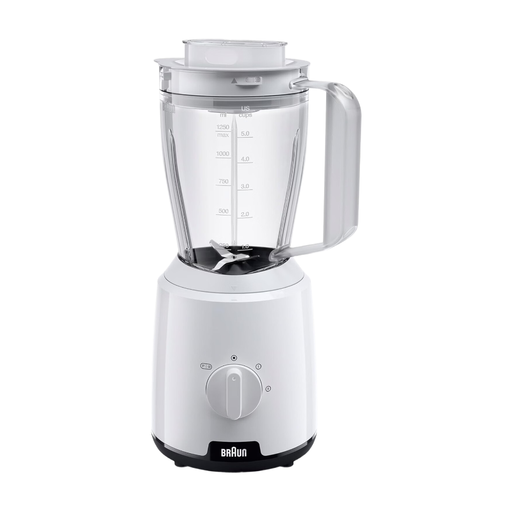 No image available
A jug blender option for preparing drinks in a blending jug.
The product name lists a 1.5 l blending jug, ice-crush function, 2 speeds and 600 W.
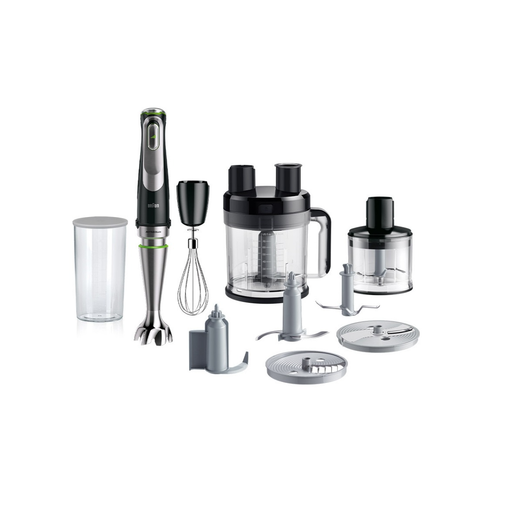 No image available
This hand blender is worth considering if you’ll be blending in a suitable container.
The product name lists 2L and 1200 W.
 No image available
This jug blender is described as suitable for making fruit drinks.
The product name lists 600 W, 3 speed settings and ice crushing.
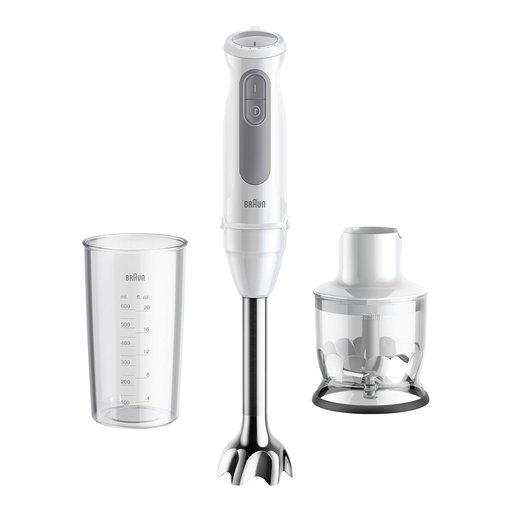 No image available
This hand blender is a good fit if you make lassi occasionally in a suitable container.
The product name describes a grey hand blender.
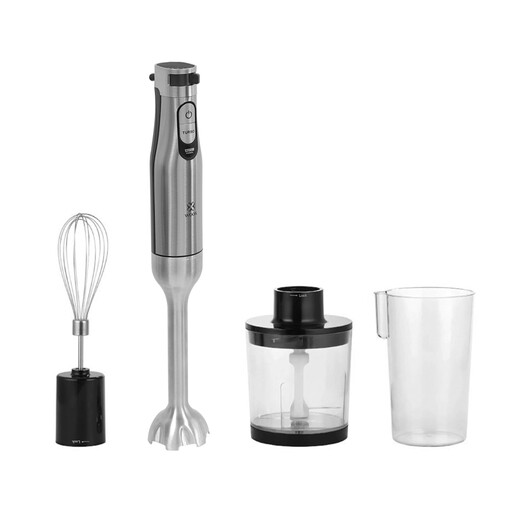 No image available
This hand blender set is an option if you plan to blend in a suitable container.
The product name lists variable speed, plus a chopper, whisk and milk frother as accessories.
First decide how many glasses you need, what size they should be and how much your recipe makes. Compare the total quantity with the stated usable capacity of the specific jug; its total capacity could be misleading.
Only if the instructions for the specific appliance say you can. Some jug blenders are explicitly advertised as suitable for frozen fruit, but that doesn’t mean every blender can handle it or that every size of fruit piece is suitable.
Follow the instructions for the specific model, checking the blades, seals, lid and cup separately. For the Tefal BL91HD, the manufacturer says the jug without the blades, the jug lid and the middle section are dishwasher-safe; for the nutribullet NB606DG, the unscrewed blade should be cleaned with soap and water.
No. Your statutory rights for faulty goods are against the seller; a manufacturer’s guarantee is voluntary and subject to its own terms. For purchases made from 31 July 2026, Verbraucherzentrale also notes a one-off 12-month extension to the statutory warranty period if you choose a repair when a fault occurs.
Electrical appliances are subject to the relevant EU product rules. CE marking is the manufacturer’s declaration that the appliance complies with applicable rules, not an independent quality mark. Materials that come into contact with food must meet the applicable requirements. Check the specific version and listing rather than assuming that a general statement about a brand confirms that a particular appliance is compliant.