Preparing ahead
You’re blending the mango before everyone eats, so you’ll need clean containers and a way to keep it chilled until serving. The German Federal Institute for Risk Assessment recommends keeping cut fruit chilled and using it promptly.


A hand blender is a good choice for small batches in a suitable tall container. For a larger batch to share, consider a jug blender, provided the planned quantity fits within its usable capacity. A compact personal blender is better suited to separate individual portions. If there’s a gap between preparation and eating, hygienic portioning and refrigeration matter more than extra blending programmes.
You’re blending the mango before everyone eats, so you’ll need clean containers and a way to keep it chilled until serving. The German Federal Institute for Risk Assessment recommends keeping cut fruit chilled and using it promptly.
You’re making a batch to share and want to check whether you’ll need to blend it in several batches, based on the usable capacity. A manufacturer’s stated container volume doesn’t replace checking the fill line and the instructions for the specific model.
You’re making your portion separately from the group and would like to take it with you or serve it straight from the blending container. Check that the container and lid suit the way you plan to use them and are included with the specific model.
The key considerations are how long it’ll be before you eat, how much you’re making for the group, how easy it is to clean, and whether you’ll be preparing individual portions separately.
A good fit if: You’re blending a smaller batch in a suitable tall container.
The trade-off: The container and manageable batch size determine how you’ll use it; a hand blender doesn’t come with its own sealable storage container.
A good fit if: Several people need the same mixture and the quantity fits within the confirmed usable capacity.
The trade-off: The jug and base take up worktop space; stated capacity and usable capacity aren’t necessarily the same.
A good fit if: You’re making separate portions and a blending cup with a suitable drinking lid would be handy.
The trade-off: You may need several batches for a larger quantity to share; a lid doesn’t keep the contents chilled.
| What you need | What to check before buying | Who is this especially relevant to? |
|---|---|---|
| Preparing purée in advance | Plan for hygienic portioning and suitable refrigeration; check the cleaning instructions for parts that come into contact with food. | If you blend the mango before the meal, you’ll need containers and somewhere chilled to keep it until it’s used. Around 36 % of consumers put safe preparation and storage first. |
| Making a batch for a group | Compare the recipe quantity with the usable capacity and fill line; check any conflicting figures before you buy. | If everyone needs the same mixture, you’ll want to avoid unnecessary blending rounds during your group cooking session. Around 29 % of consumers prioritise making enough for the group. |
| Cleaning between cooking steps | Check which parts can be removed and whether each individual component is approved for cleaning as instructed. | If the appliance will be used for one step after another, it matters whether the blade and container can be cleaned according to the instructions. Around 21 % of consumers prioritise cleaning between tasks. |
| Making individual portions | Compare the cup size with your portion; check whether the lid you need is included with that model. | If you want to blend your portion separately from the group, a compact container can save you having to transfer it. Around 14 % of consumers prioritise having their own portion cup. |
On its product page for the Tefal PerfectMix+ BL871D, Tefal lists a 2-litre container, but gives conflicting usable-capacity figures of 1.5 and 1.75 litres. You can’t plan a set batch size for a group using these figures without checking which one is correct.
Check the fill line and instructions for the exact variant before deciding how many batches you’ll need.
If the usable capacity is too small, you may need extra blending and cleaning rounds, which can disrupt your group’s schedule.
A lid seals a container, but it won’t keep mango purée chilled. If you’re eating later, you’ll need a hygienic storage plan whatever type of blender you use.
Plan for clean containers and somewhere to keep them chilled. The German Federal Institute for Risk Assessment recommends keeping cut fruit chilled and using it promptly.
Specifications and features from Braun, Philips and Tefal vary by manufacturer and model. On their own, they don’t guarantee a particular mango purée texture.
First compare the quantity you plan to make, the right type of container and the cleaning instructions for the specific model.
A MultiQuick hand blender could be a good choice for smaller batches in a suitable container.
The 5000 Series HR3030/00 jug blender is an option for making a batch to share.
The Kult X Mix & Go 3200000022 combines a blending container with a drinking bottle function for individual portions.
The PerfectMix+ BL871D is a jug blender to consider, but check its cleaning features alongside the quantity you plan to make.
This selection includes hand blenders for smaller batches, a jug blender for making a batch to share, and a compact personal blender for individual portions.
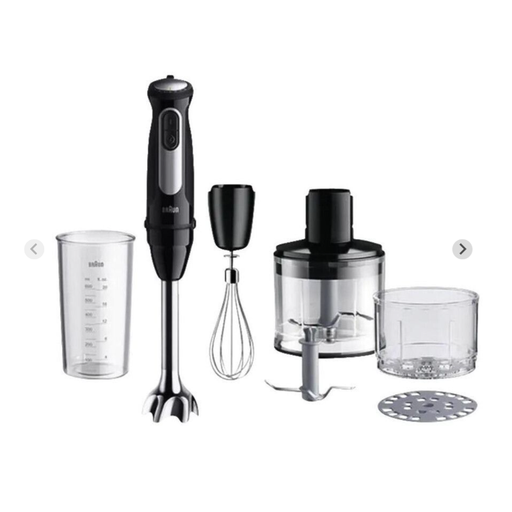 No image available
For smaller batches of mango in a suitable container; you’ll need a separate container for blending.
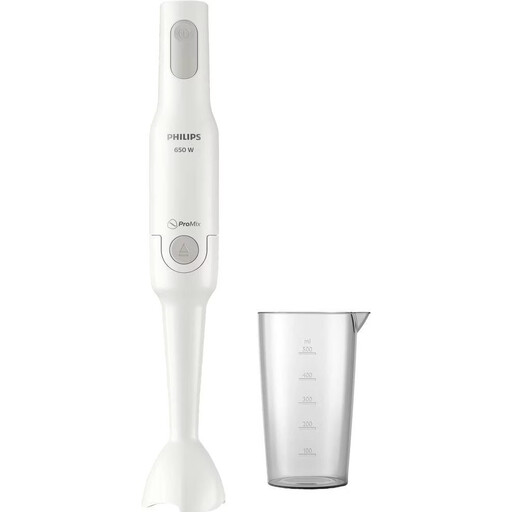 No image available
The blending beaker is designed for blending and serving, and can make it easier to transfer a smaller batch.
The description gives a maximum continuous operating time of 1 minute; allow the appliance to cool down between uses.
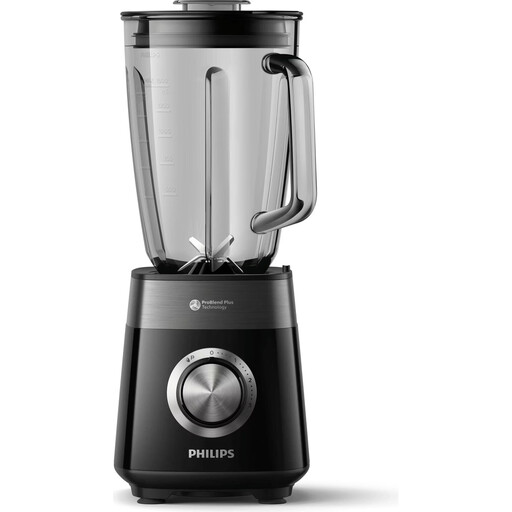 No image available
The jug is an option for making a batch to share; compare your planned quantity with the usable fill line.
Removable parts are described as dishwasher-safe. The glass jug can break if dropped or exposed to sudden temperature changes.
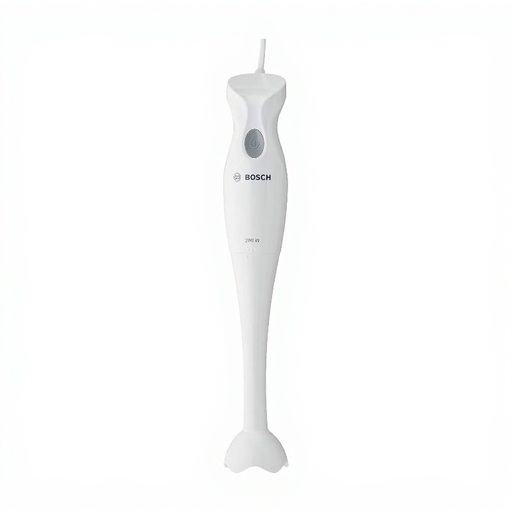 No image available
For blending mango pieces in a suitable container; the instructions recommend using a tall, narrow container.
The blending shaft and accessories are described as dishwasher-safe.
 No image available
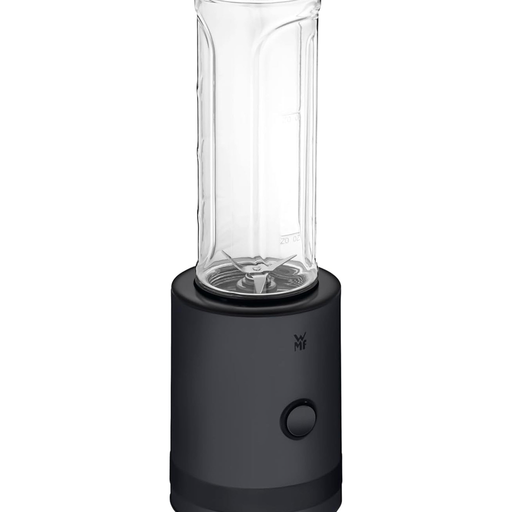
The two blending and drinking containers are handy for separate portions if everyone in the group doesn’t need the same amount at the same time.
The instructions give a maximum fill of 600 ml per container; the containers are described as having screw-top lids for taking them on the go.
Yes, but make sure you prepare it hygienically and keep it chilled until you’re ready to use it. For cut raw fruit and vegetables, the German Federal Institute for Risk Assessment recommends chilled storage and prompt use; it doesn’t specify a safe storage time for homemade mango purée.
Cut the flesh away from the stone, chop it into small pieces and blend it in a suitable tall container. Wash raw fruit thoroughly before preparing it, and follow the appliance instructions.
No, it depends on the model and the individual part. Philips describes parts of the HR3030/00 as dishwasher-safe; Tefal says the glass jug on the BL871D is suitable for the dishwasher. Check the instructions for your model to see how the blades and other individual parts can be cleaned.
Your statutory rights against the seller and a voluntary manufacturer’s guarantee are separate forms of protection. A guarantee doesn’t replace your statutory rights; check its terms and whether you may have to pay for damage it doesn’t cover. The Verbraucherzentrale explains the difference between statutory rights and a guarantee.
EU rules on food contact materials apply to parts that come into contact with food. For electrical appliances, the Bundesnetzagentur lists features including correct CE marking, appliance and manufacturer identification, and German instructions for use with any required warnings. You’ll need to check whether a particular product meets these requirements for the specific appliance.