
Lieferung heute & morgen

Qualitätsgarantie

Willkommens-Angebote freischalten: KOSTENLOSE Lieferung | Bis zu 80 % RABATT | Kostenlose 30-Tage-JoyPlus-Testphase
App herunterladen
Tropical products often look similar in product images, but can differ considerably in their ingredients, texture, pack size and storage requirements. If you are buying mango snacks and mango products online, you should therefore look beyond terms such as “fruity”, “natural” or “extra soft”. The key factors are the ingredients list, mango content, serving size and intended use.
When mango slices are dried, water is removed, making the fruit sugars and any added sugars appear more concentrated in a smaller quantity. Many products also contain sugar, glucose, maltose syrup or flavourings. Checking the nutritional information per 100 g makes comparisons easier.
For example, according to the product information, Tuan Dat Mango Dried 100g contains 95% mango and 5% sugar. Other dried mango snacks have a lower mango content and contain several sweeteners. If you are looking for a higher fruit content, pay attention to the quantitative ingredients declaration – not just the front of the packaging.
Mango juice or a mango juice drink is not the same as pure mango fruit purée. According to the product description, SWAD Mango juice drink – 250 ml contains water, 22% mango purée and 18% sugar. The drink is ready to consume and conveniently portioned, but contains considerably more than fruit alone.
Mango in syrup also has a different use: the fruit pieces are suitable for desserts and baking, or can be eaten straight from the tin, but they contain additional sugar in the liquid. For smoothies and homemade desserts, a pure or fruit-focused purée may be the more suitable starting point.
Mango snacks may be vegan, while mango desserts containing milk powder or other dairy ingredients are not suitable for a vegan diet. This applies, for example, to pudding products with coconut gel and mango. Dried fruit may also contain sulphites or sulphur dioxide. In the EU, these substances must be declared when present above the relevant concentration.
If you have allergies or intolerances, always check the current packaging. Information about the production environment, traces and recipe may vary. A statement such as “no declared allergens” is not a substitute for checking the label yourself.
Ingredients are generally listed in descending order by weight. For dried mango slices, statements such as Mango 95%, Mango 90% or Mango 83% therefore provide a useful guide. It is also worth checking for:
A higher mango content alone says nothing about your personal taste preferences. If you prefer soft, sweet snacks, you may find a recipe containing sugar and a humectant appealing. If you want the shortest possible ingredients list, products with only a few ingredients are more interesting.
The product format determines how it can be used:
Small bags such as 50 g or 70 g are suitable for trying a product or taking it with you. 100-g packs are practical for individual snack portions, while 160 g to 200 g may be appealing for households that consume mango regularly. Tins and larger dessert packs offer more contents, but after opening they should be chilled and used promptly in accordance with the packaging instructions.
Unopened dried fruit should generally be stored in a cool, dry place away from light. Once opened, the packaging should be sealed tightly. Frozen mango pieces should remain in the freezer. For tinned products, it is advisable to transfer leftovers to a suitable container after opening rather than storing them in the tin.
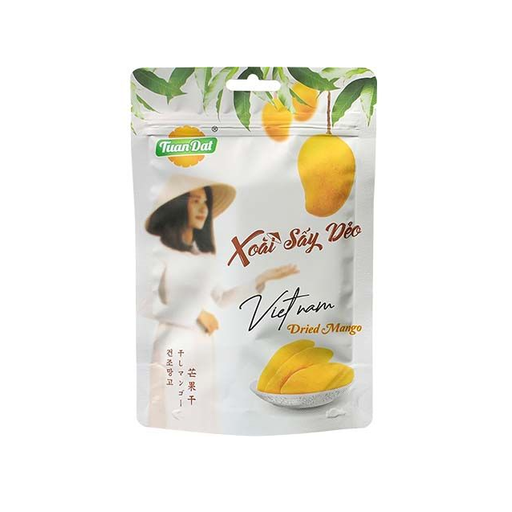
Why this product suits this profile: The 100-g pack offers an uncomplicated introduction to dried mango from Vietnam. The stated mango content is 95%, and the snack is ready to eat. According to the product information, it is also vegan, gluten-free, halal-certified and kosher-certified.
The stated fruit content makes it easier to compare this product with heavily sweetened recipes. However, it does contain sulphites, which should be taken into consideration before buying.
95% mango according to the product information; 100 g net quantity; ready to eat straight from the pack.
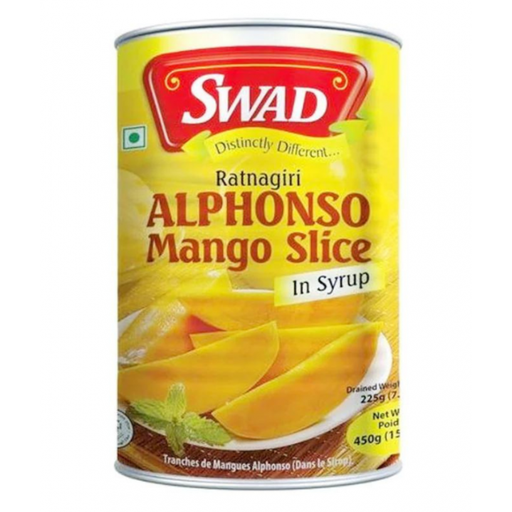
Why this product suits this profile: According to the product description, the tin contains Alphonso mango slices in syrup and at least 225 g of drained fruit. This makes it easy to portion for desserts, baking and larger households.
The minimum drained weight prevents you from considering only the tin’s total weight. The syrup is listed as a separate component.
450 g net quantity; at least 225 g fruit weight; vegan and halal-certified according to the product information.
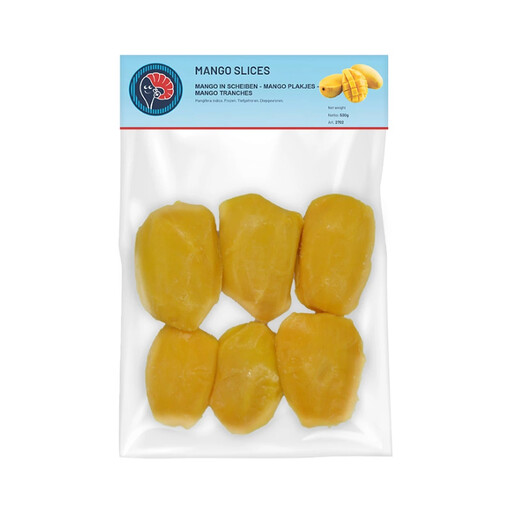
Why this product suits this profile: According to the product information, the frozen mango pieces consist of 100% mango and are intended for smoothies, cocktails and mango desserts. The prepared slices save you the effort of peeling and cutting.
The ingredients list names mango as the sole ingredient. According to the available product information, this means there is no added sugar, syrup or sweetener.
500 g pack size; 100% mango according to the product information; suitable for smoothies and desserts.
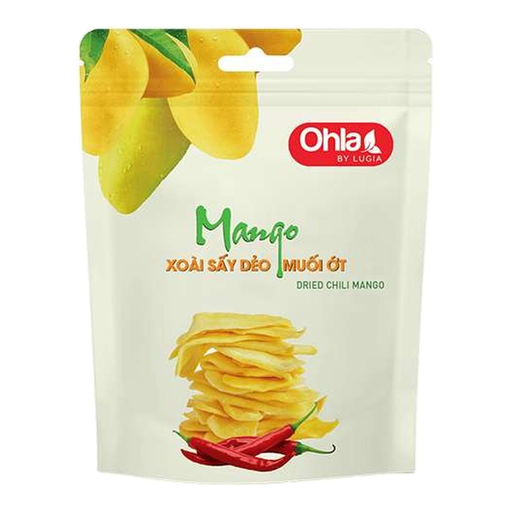
Why this product suits this profile: The combination of dried mango, sugar and chilli is aimed at shoppers who enjoy bringing sweet and spicy notes together. The 200-g pack is also suitable for sharing.
The product description explicitly lists mango, sugar, chilli and sodium metabisulphite. Shoppers can assess the level of spice and the preservative before buying.
200 g net quantity; chilli clearly listed as an ingredient; ready to eat.
We have put together a complete, regularly updated list of products that fully meet these strict selection criteria and the safety regulations applicable in the EU.
Many dried mango slices are vegan if the ingredients consist solely of mango, sugar, syrup, acidity regulators and preservatives. However, only the current ingredients and allergen labelling can provide a definitive answer. Products containing milk powder, such as certain mango puddings or coconut desserts, are not vegan.
This depends on the type of product. Dried mango should be stored tightly sealed, in a dry place away from light. Some product information recommends refrigerating it after opening and consuming it within ten days. Opened tins, mango in syrup and desserts should be kept in the fridge and consumed within the period stated on the packaging.
Mango juice is ready to drink and can be added to drinks quickly. Mango fruit purée is suitable for shakes, sauces and mango desserts. According to the relevant ingredients list, frozen mango pieces often contain mango alone, and can cool smoothies while also providing pieces of fruit. The right choice therefore depends on your preferred texture, sweetness and available storage space.