
Lieferung heute & morgen

Qualitätsgarantie

Willkommens-Angebote freischalten: KOSTENLOSE Lieferung | Bis zu 80 % RABATT | Kostenlose 30-Tage-JoyPlus-Testphase
App herunterladen
You don’t need an electric coffee grinder to enjoy freshly ground beans. A manual coffee grinder works without electricity, is easy to take with you and, if it’s well designed, gives you good control over the grind size. Different features matter, though, depending on whether you’re making espresso, French press or pour-over, or brewing at the office or while camping.
If you focus only on claims such as “precise” or “barista-quality”, you could miss some important details. Three common buying mistakes can make a hand coffee grinder impractical for everyday use:
A coffee grinder with conical burrs feeds the beans between two cone-shaped grinding surfaces. According to the product description, the STARESSO D6 PLUS has stainless steel burrs. The manufacturer also specifies a design with two ball bearings to support the grinding shaft. These are specific technical features that are easier to assess than general marketing claims.
A stainless steel coffee grinder, or one with a metal housing, may be a good choice if you’ll use it regularly or take it with you. However, the material alone doesn’t tell you about the overall build quality. Also check for:
Espresso calls for a fine grind, while French press and some pour-over methods need coarser grounds. A coffee grinder for espresso and French press should therefore have clearly described settings, ideally with fine increments.
According to the product information, the STARESSO D6 PLUS has an internal, click-based grind adjustment, ranging from fine to coarse. The right setting depends on the beans, roast and brewing method. When trying a new coffee, it’s a good idea to start with a medium setting and adjust it gradually.
A 20-gram capacity is enough for many single cups and works well for espresso or pour-over. For a larger French press, you may need to grind a second batch. So consider how much coffee you usually make.
With a hand grinder, the bearings, handle and grip all affect how much effort it takes to grind. According to STARESSO’s product description, the double ball bearing is designed to make turning easier. The claim of up to 30 per cent less effort should be understood as a manufacturer’s claim, not a universal performance guarantee.
A design that can be fully dismantled makes it easier to clean when dry with a brush. Only use water if the manufacturer’s care instructions specifically allow it. Otherwise, coffee grounds and oils can build up in the grinding chamber.
The products below suit different requirements. Not every coffee grinder is right for every brewing method or household. Before buying, check the current product page, what’s included and the technical details listed there.
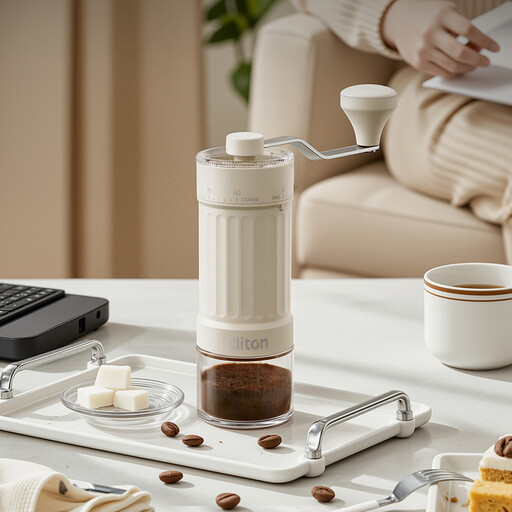
Why this product suits this profile: A basic hand coffee grinder could be a good option for beginners who want to grind without electricity and get used to the manual process. The product page lists a white finish; check the other technical details before buying.
Don’t base your decision on marketing claims alone. Check the product information for details of the burrs, capacity, adjustment range and cleaning options.
Manual operation without electricity; compact white design according to the product name.
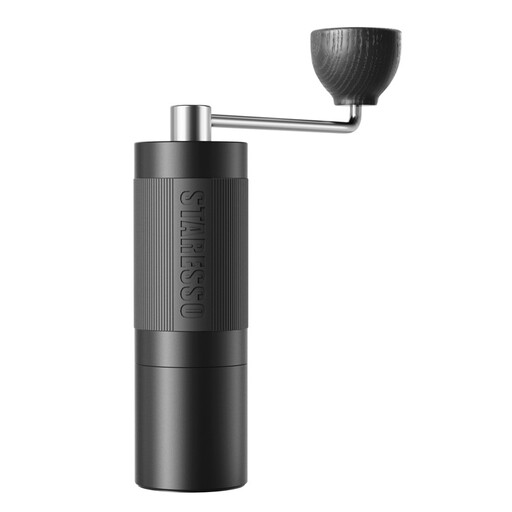
Why this product suits this profile: A good option for home baristas who want one portable coffee grinder for espresso, moka pot, pour-over and French press. The listed features include a metal housing, stainless steel conical burrs, a 20-gram capacity and internal grind adjustment.
The stainless steel burrs, click-based adjustment and double ball bearing are specific design features, rather than vague promises about quality.
20 g capacity; fully dismantlable design; double ball bearing and adjustable grind settings according to the STARESSO product description.
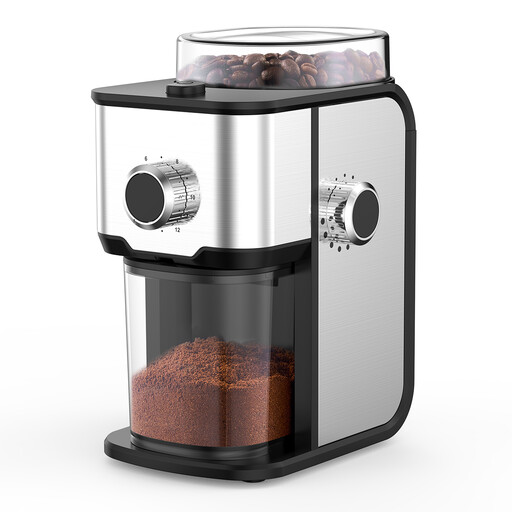
Why this product suits this profile: If you regularly grind enough coffee for several cups at home or at the office and don’t need a grinder that works without electricity, you may prefer an electric alternative with a larger capacity. This model isn’t a manual coffee grinder, but it’s included as a comparison for frequent users.
Making the distinction clear helps you avoid a buying mistake: this grinder needs electricity, so it isn’t designed for camping or use off the grid.
Flat burrs according to the product name; 14 grind settings; designed for 2 to 12 cups according to the product description.
We’ve put together a complete, regularly updated list of products that meet these strict selection criteria and fully comply with the safety regulations in force in the EU.
To keep your grinder working consistently, empty it after grinding and remove any coffee grounds with a dry brush. Don’t force the grind adjustment. If you notice unusual resistance, beans may be jammed.
When travelling, carry a portable coffee grinder in a padded bag. Keep it away from moisture, especially if it has a metal body. Follow the relevant instructions for dismantling and cleaning your particular model.
Its lifespan depends on the burrs, bearings, care and frequency of use. Stainless steel burrs and replaceable wear parts can be useful if you plan to use your grinder regularly. Without specific information from the manufacturer, it isn’t possible to give a reliable general estimate of how long it will last.
Yes, as long as you can adjust it to a fine enough grind and the grinding shaft is properly supported. Small adjustments can make a difference when grinding for espresso, so check whether the manufacturer specifies a fine grind range and clearly explains how to adjust it.
A coffee grinder that doesn’t need electricity can be handy for camping, travelling or use at the office, as it doesn’t need a socket or battery. Look for a protective housing, a compact size, sufficient capacity and a design that’s easy to clean while you’re away.