
Lieferung heute & morgen

Qualitätsgarantie

Willkommens-Angebote freischalten: KOSTENLOSE Lieferung | Bis zu 80 % RABATT | Kostenlose 30-Tage-JoyPlus-Testphase
App herunterladen
Freshly ground beans can affect the brewing result, but choosing the right manual coffee grinder is about more than looks. There are clear differences between a compact hand coffee grinder for use on the go, a coffee grinder for espresso and a model for French Press – particularly when it comes to the burrs, adjustment options and ease of use.
Many purchasing decisions come down to three common pitfalls:
A conical burr grinder guides the beans between two cone-shaped grinding surfaces. When choosing a grinder, the material, build quality and support of the grinding shaft are particularly important. Stainless steel burrs are common in many hand grinders and are often described in product information as CNC-machined or with a specified hardness rating.
A stainless steel coffee grinder may appeal to users who value a robust burr construction. However, the housing does not necessarily need to be made of stainless steel as well: aluminium, ABS and silicone can affect the weight, grip and cleaning process. What matters is that the technical information is clear and verifiable, and that the grinder is intended exclusively for dry coffee beans.
A coffee grinder with precise grind adjustment should offer clearly described, repeatable settings. A fine setting is generally required for espresso or a Moka Pot, medium ranges for filter coffee and Pour Over, and coarser settings for French Press.
Look out for:
A single setting will not automatically suit every bean. The type of bean, roast level, dose and brewing recipe all affect the required fineness.
Around 18 to 20 grams of beans is often enough for one cup. A capacity of 20 to 30 grams is therefore suitable for many single servings and compact travel situations. If you want to prepare larger quantities, you could consider a grinder with a larger hopper, such as the ADLER AD 4450, which is specified as holding 300 grams.
Weight is another practical consideration. A portable coffee grinder should be easy to grip without taking up unnecessary space in your luggage. Models with a folding handle can be beneficial when camping, travelling or using the grinder at the office. For care and maintenance, clean the burrs and interior with a dry brush as a rule, and follow the relevant manufacturer’s instructions. Water can damage metal parts, bearings or electrical components.
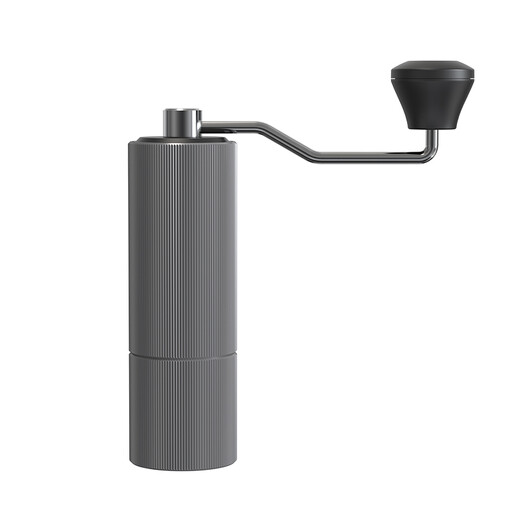
Why this product suits this profile: This grinder offers a capacity of 20 to 30 g, internal click adjustment and a housing made from aluminium alloy with an ABS base. It covers espresso, Pour Over, Moka Pot and French Press.
The product information specifies the burr material, capacity and adjustment type. Dry brush cleaning is recommended; washing with water should be avoided.
420-grade stainless steel burrs with a specified hardness of 55–58 HRC, plus dual shaft bearings.
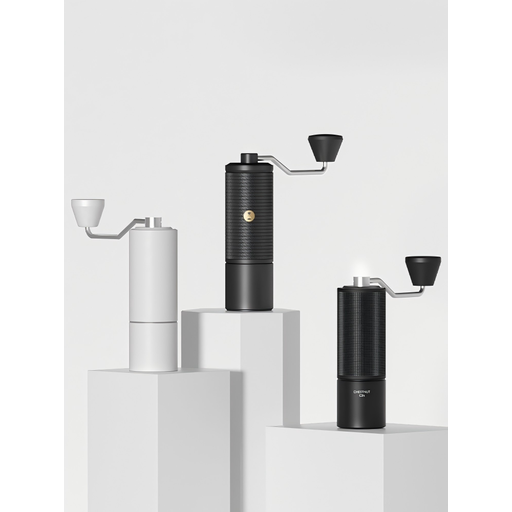
Why this product suits this profile: This model is aimed at users looking for a manual grinder for different brewing methods while preferring a compact design.
Before buying, check the specific grind adjustment, included accessories and recommended cleaning instructions on the product page, rather than relying solely on general marketing terms.
Manual operation without a power connection and a model designation focused on espresso.
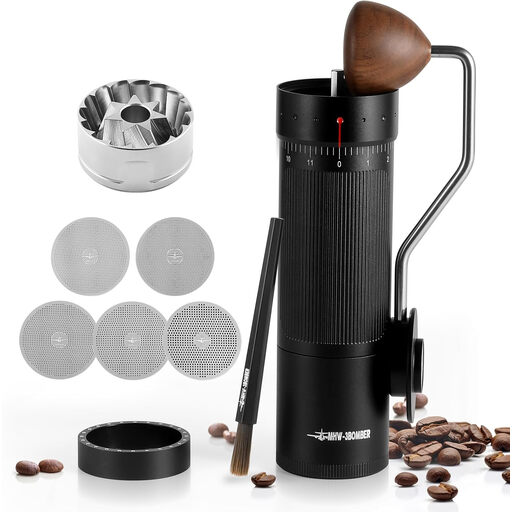
Why this product suits this profile: This model combines external adjustment with 60 clicks per revolution and a specified capacity of 20 g. It is intended for espresso, Moka Pot, filter coffee and French Press.
External adjustment avoids the hassle of opening the grinder when switching between methods. The five included sieves are specified at 300 to 850 µm and allow an additional visual check of the ground coffee.
CNC 420 stainless steel conical burrs, magnetic catch cup and a wide adjustment range.
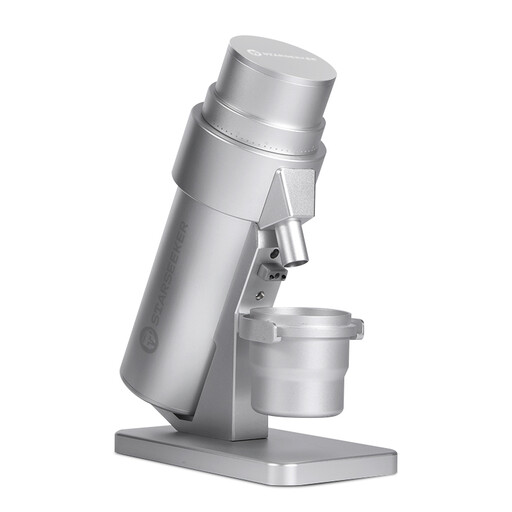
Why this product suits this profile: If you grind coffee regularly and want to avoid the effort required by a hand grinder, an electric coffee grinder for espresso and Pour Over may be the right choice.
The safety instructions specify clear limits: do not grind foreign objects or very oily, flavoured beans; do not operate the grinder for more than 60 seconds without allowing it to cool; and clean the burrs dry.
63-mm burrs and electric operation; suitable for espresso and Pour Over.
We have put together a complete, regularly updated list of products that fully meet these strict selection criteria and the safety regulations applicable in the EU.
Choose a coffee grinder for French Press if you mainly grind coarsely and need straightforward dosing. For espresso, a stable adjustment mechanism is particularly important, as small changes can affect the flow rate. A coffee grinder for Pour Over should cover enough medium grind settings and allow controlled, consistent handling.
Also check:
For espresso, a grinder with a fine adjustment range and a stable grinding shaft is a sensible choice. Look for clearly defined clicks, secure grind-setting fixation and a capacity suited to your dose. However, a hand grinder does not replace the process of fine-tuning the bean, portafilter and brewing recipe.
Its lifespan depends on the burrs, bearings, frequency of use and maintenance. Dry cleaning, avoiding foreign objects and using the grinder correctly can help protect its mechanical components. If the grinder becomes less smooth to operate or shows visible signs of wear, check the manufacturer’s instructions and the availability of spare parts.
A manual coffee grinder does not require electricity and uses very little energy when used regularly for individual portions. An electric coffee grinder, on the other hand, offers greater convenience but involves both the purchase price and electricity costs. The right choice therefore depends primarily on your daily quantity, available space and the level of effort you are happy to put into operation.