
Lieferung heute & morgen

Qualitätsgarantie

Willkommens-Angebote freischalten: KOSTENLOSE Lieferung | Bis zu 80 % RABATT | Kostenlose 30-Tage-JoyPlus-Testphase
App herunterladen
Opting for a manual coffee brewing method is often the start of a conscious ritual. Instead of just pressing a button, you actively shape the process and influence the aroma in your cup. However, the market is filled with products whose practical utility doesn't always live up to their marketing promises. Before you make a choice, it's crucial to understand the common pitfalls that can lead to disappointment and unnecessary expense.
As your Joybuy Product Recommendation Officer, I'm here to help you define objective criteria for your selection. This guide focuses on facts and functional aspects to ensure you find a product that fits your habits and your kitchen setup for the long term.
To avoid these mistakes, you should focus on three core aspects. These determine the functionality, durability, and flavour outcome of your coffee maker.
The material is the foundation for longevity and taste.
The method determines the character of your coffee.
Consider how and where you will use the coffee maker.
Here are some product recommendations tailored to specific user profiles and the criteria mentioned above.
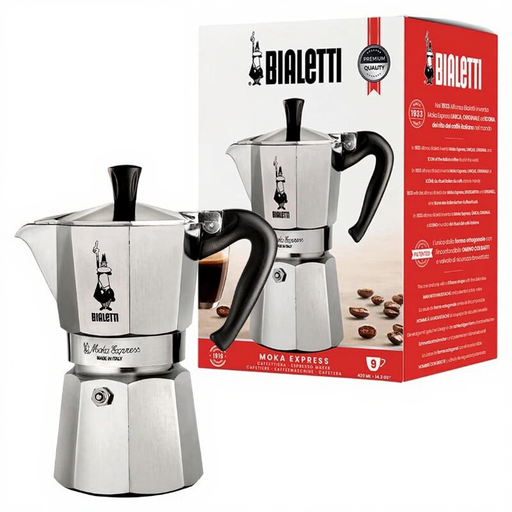
Why This Fits Their Persona: For lovers of the authentic Italian coffee ritual. This model embodies tradition and delivers the classic, bold flavour expected from a moka pot.
The original from Bialetti is made of food-grade aluminium, avoiding the pitfall of inferior materials. The clear "3-cup" (approx. 130 ml) specification prevents misunderstandings about capacity.
A proven design, unchanged for decades. It produces a characteristically strong coffee. Lightweight and easy to use on gas and electric stovetops.
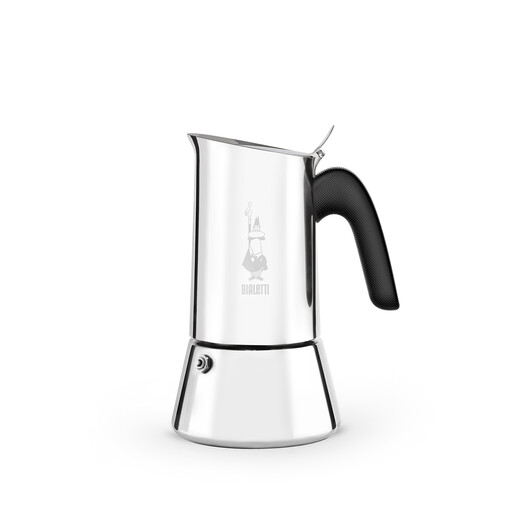
Why This Fits Their Persona: Ideal for users with modern kitchens who appreciate the moka pot taste but don't want to sacrifice compatibility with their induction stovetop. The design is elegant and functional.
This model is explicitly designated as an induction-compatible coffee maker and is made of robust 18/10 stainless steel. This directly solves the two most common pitfalls—incompatibility and material issues.
Suitable for all stovetops, including induction. Durable and easy-to-clean stainless steel. Ergonomic, heat-resistant handle.
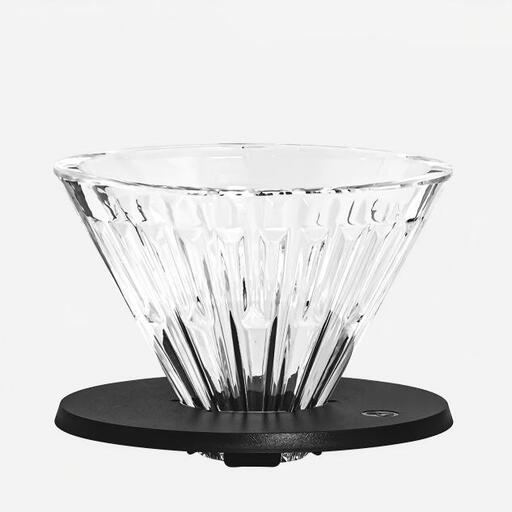
Why This Fits Their Persona: Perfect for coffee lovers who see the brewing process as a craft and want full control over parameters like water temperature, flow rate, and extraction time for pour-over coffee.
This product is a specialised tool, not an all-in-one device. The borosilicate glass is taste-neutral and heat-resistant, avoiding the material trap. It is part of a system of pour-over coffee accessories.
Allows for maximum control over extraction for a clean, nuanced flavour profile. The concave grooves promote an even extraction.
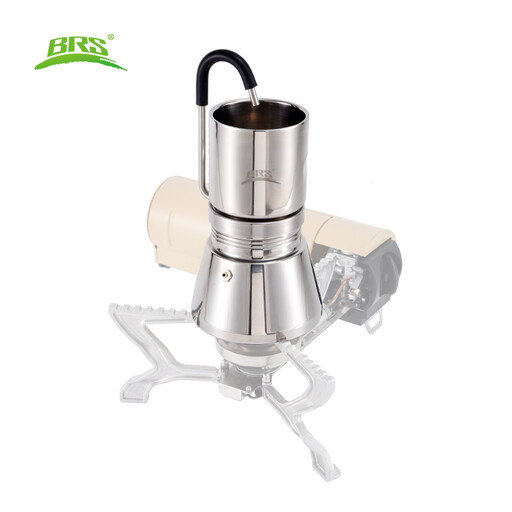
Why This Fits Their Persona: Designed for outdoor use. This camping coffee maker is robust, lightweight, and works on various heat sources like gas stoves or spirit burners, ensuring you don't have to go without good coffee on the go.
The food-grade stainless steel construction is specifically designed for rugged outdoor use, avoiding the material trap of fragile or non-heat-resistant parts. It is lightweight and compact.
Robust and durable stainless steel construction. Compatible with various mobile heat sources. With a 250 ml capacity, it's ideal for 2-4 campers.
We have compiled a complete, up-to-date list of products that fully meet these strict selection criteria and safety standards.
An aluminium moka pot should never be placed in the dishwasher or cleaned with detergent. Simply rinse all parts with warm water after they have cooled down and dry them thoroughly before screwing them back together. This prevents oxidation and preserves the patina, which improves the coffee's taste over time.
A coarse grind is required for a French press. A grind that is too fine will pass through the metal filter, leading to a gritty mouthfeel. Additionally, the plunger is difficult to press down with fine grounds.
No, not necessarily. For cookware to work on an induction hob, its base must be ferromagnetic. Although many modern stainless steel coffee makers are suitable for induction, it is essential to check the product description or packaging for the official induction symbol (a coil) or the phrase "suitable for induction" before purchasing.