Butter biscuits or Digestives may be a familiar snack before or after a training session. However, longer, more intense runs call for a separate carbohydrate and hydration plan that you have tested in training, as explained by the German Nutrition Society and the consumer advice centre. The right biscuit depends on the nutritional information for your planned portion, the ingredients and how well you tolerate it – not on the name ‘Digestive’.
Who is this comparison for?
Runners planning nutrition for long-distance runs
You want to know whether a biscuit could form part of your fuelling plan, without relying on it alone for your carbohydrate and hydration needs during a long session. The consumer advice centre recommends trying planned solid foods and drinks during training.
People looking for a snack on training days
You’re comparing butter biscuits and Digestives as a familiar snack before or after training. Planned portion size and the carbohydrate, fat and sugar content matter to you.
People with specific ingredient or allergen requirements
You may need an explicitly gluten-free option or have to avoid other allergens. Your choice depends on the ingredients, allergen labelling and precautionary ‘may contain’ statements on the specific pack.
What should you look for?
First decide whether the biscuit is a snack around your training session or part of a planned fuelling strategy for a long run. Then compare the nutritional values for your portion and check the ingredients and allergens.
| Criterion | What to check | Who it matters to |
|---|
| Fuelling during long runs |
Test the planned quantity of biscuits and drinks together in training; calculate the carbohydrates for the portion you’ll actually eat. |
If you want to eat a biscuit during a long run, you need a coordinated strategy rather than a snack on its own. This is the main consideration for around 36% of consumers. |
| Snack on training days |
Compare portion size and the carbohydrate and fat content per 100 g and per planned portion. |
You want a biscuit that’s easy to portion before or after a familiar training session. This kind of snack is the main priority for around 29% of consumers. |
| Gluten and allergens |
Check the ingredients, highlighted allergens and relevant precautionary ‘may contain’ statements on the specific pack. |
If you need to avoid certain ingredients, the labelling determines your choice. This requirement takes priority for around 21% of consumers. |
| Sugar, fat and fibre |
Compare the figures on the same basis: first per 100 g, then for your planned portion. |
If you want to compare recipes, you’ll want to spot the differences without assuming they indicate how well a biscuit will suit you on a run. Comparing nutritional values is the main priority for around 14% of consumers. |
Which mistakes can you avoid?
-
Assuming ‘Digestive’ means it’s specially suited to marathon fuelling
The nutritional values of Digestives vary depending on the recipe. The product name doesn’t tell you whether the quantity and composition are right for a long run.
Check the nutritional information for your planned portion. The consumer advice centre recommends trying solid foods and drinks during training before using them in a planned race.
-
Assuming values per 100 g match the portion you’ll eat
Comparing values per 100 g shows differences between recipes, but not the amount of carbohydrate in the portion of biscuits you’ll actually eat.
Work out the nutritional values for the amount you’re planning to eat, taking fat, sugar and fibre into account too.
-
Taking ‘gluten-free’ or ‘less sugar’ as a general promise of good tolerance
The gluten-free Schär variety described by REWE contains soya and may contain traces of lupin and egg. The reduced-sugar Leibniz variety described there still contains wheat, milk ingredients and egg.
Check the ingredients, allergens and any precautionary ‘may contain’ statements on the pack you choose. Don’t try a new variety for the first time on race day.
-
Planning a biscuit instead of a hydration strategy
A dry biscuit won’t provide any fluid. The German Nutrition Society recommends drinking fluids containing carbohydrates and sodium during activities lasting more than 1.5 hours.
Plan and test your drinks alongside the solid food you intend to eat during training, rather than assuming a biscuit alone will provide everything you need.
Brands and their biscuit varieties
The product details below can help you compare specific recipes. Information about one variety doesn’t apply to every biscuit from the same brand.
Leibniz
Classic butter biscuits and a variety labelled ‘less sugar’.
- For the classic Leibniz Butterkeks described by REWE, the figures per 100 g are 72 g carbohydrate, 12 g fat and 21 g sugar.
- The varieties described contain wheat, milk ingredients and egg. The nutritional values for the classic butter biscuits don’t automatically apply to the other recipe.
McVitie's
A specific Digestive recipe, Digestive The Original.
- According to REWE, Digestive The Original contains 16% wholemeal wheat flour. It provides 63.6 g carbohydrate and 21.3 g fat per 100 g.
- The product contains wheat and may contain milk. Its recipe doesn’t indicate how well you’ll tolerate it while running.
Schär
Landtaler Digestive is a different variety from the Petit Beurre butter biscuits shown below.
- REWE labels Landtaler Digestive as gluten-free, wheat-free and lactose-free; it contains 57 g carbohydrate per 100 g.
- Landtaler Digestive contains soya and may contain traces of lupin and egg. These details don’t apply to Schär Petit Beurre.
Feiny Biscuits
Another specific Digestive recipe to compare using the pack details.
- For Feiny Biscuits Digestive Kekse, REWE lists 66 g carbohydrate and 19 g fat per 100 g, with wheat flour and wholemeal wheat flour in the ingredients.
- According to the product information, it may contain traces of milk, mustard and soya. These details describe this variety, not the brand’s full range.
Butter biscuits and other biscuit varieties at Joybuy
This selection includes two Leibniz biscuit varieties and gluten-free Schär Petit Beurre butter biscuits as possible snacks around training. It doesn’t include a Digestive; Schär Petit Beurre shouldn’t be confused with Landtaler Digestive. If you’re planning to eat them on a run, check the specific pack and test your chosen portion during training.
 Image unavailable
Leibniz Butter Biscuits 30% Less Sugar, 150 g
A butter biscuit variety for anyone who wants to compare the sugar content of different recipes.
The pack contains 150 g. Check the nutritional values for your planned portion and try a new variety in training before using it in a race.
View at Joybuy
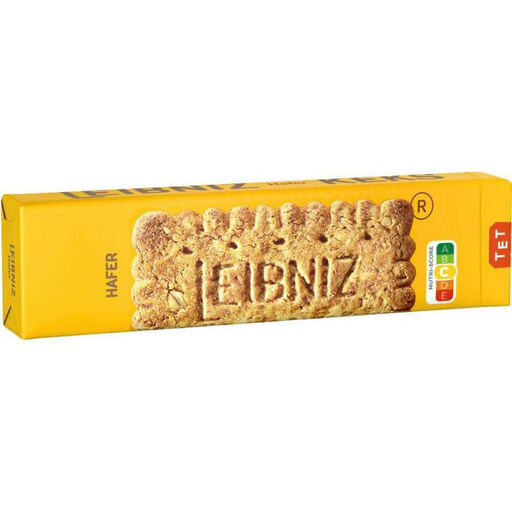 Image unavailable
Leibniz Oat Crunchy Butter Biscuits, 230 g
This variety is described as an oat biscuit and could work as a biscuit snack, but it isn’t a Digestive.
The pack contains 230 g. Compare the nutritional information on the specific pack with that of classic butter biscuits, rather than assuming the recipes are the same.
View at Joybuy
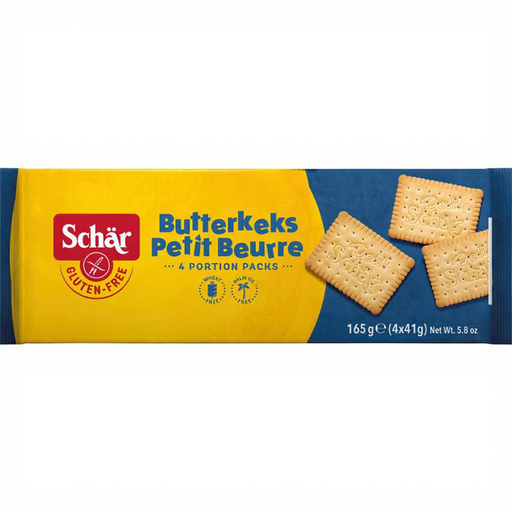 Image unavailable
Schär gluten-free Petit Beurre butter biscuits, 165 g
An explicitly gluten-free butter biscuit variety for anyone who needs this option; it isn’t a Digestive.
The pack contains 165 g. Check the specific pack for other allergens and calculate the carbohydrates in the portion you’re planning to eat.
View at Joybuy
Frequently asked questions
Are Digestives better suited to a marathon than butter biscuits?
The name ‘Digestive’ doesn’t mean a biscuit is better suited to a marathon. The butter biscuit and Digestive varieties described by REWE differ in their recipes and nutritional values. For longer, intense efforts, the German Nutrition Society and the consumer advice centre also stress the importance of planning and testing your fuelling strategy.
Can I try a new biscuit for the first time on race day?
You should try new race-day nutrition during training first. The consumer advice centre recommends practising with the quantity and composition of solid food or carbohydrate-containing drinks you plan to use in the race.
Do I need to plan drinks as well as biscuits for a long run?
Yes. You need to plan your fluid intake separately from your biscuits. The German Nutrition Society recommends drinking fluids containing carbohydrates and sodium during activities lasting more than 1.5 hours. Test how your planned combination works for you during training.
Which pack details can help me compare biscuits and check for allergens?
Read the ingredients, highlighted allergens and nutritional information on the specific pack. The Federal Centre for Nutrition explains the mandatory information required on packaged foods. Your planned portion size and any relevant precautionary ‘may contain’ statements are also important when making your choice.


