
Lieferung heute & morgen

Qualitätsgarantie

Willkommens-Angebote freischalten: KOSTENLOSE Lieferung | Bis zu 80 % RABATT | Kostenlose 30-Tage-JoyPlus-Testphase
App herunterladen
As your Joybuy Product Recommendation Officer, I see the sheer volume of information and advertising claims bombarding consumers every day. Especially when it comes to collagen for skin, it's difficult to keep track and make an informed decision. The goal of this guide is to provide you with objective criteria so you can find a product that fits your needs without falling for marketing hype.
Many users invest in collagen products hoping for firmer skin and a reduction in fine lines, only to be disappointed later. This is often due to a few common pitfalls:
To avoid these pitfalls, focus on three verifiable core parameters. These will help you objectively assess a product's quality.
The origin and processing of the collagen are crucial for how well your body can use it.
The choice of format depends on your personal preferences and lifestyle.
Some additives are more than just marketing. They work together with collagen and support its function.
Based on the objective criteria above, we have selected a few products from our range that suit different needs and lifestyles.
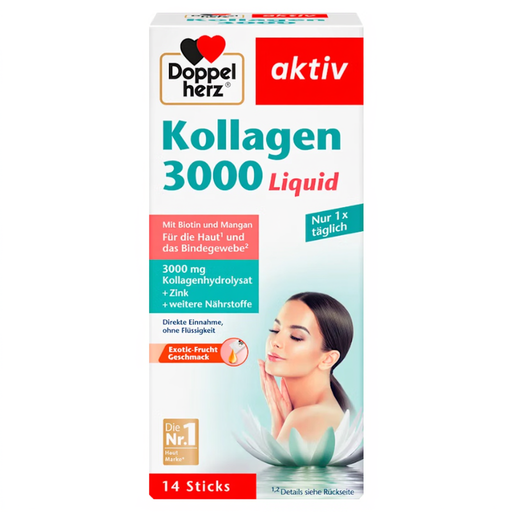
Why This Fits Their Persona: Ideal for individuals with an active lifestyle who want a quick and easy solution without mixing or swallowing pills. The sticks fit in any bag and can be consumed directly.
The dosage is clearly declared at 3,000 mg of collagen hydrolysate per stick. It makes no vague promises, instead offering a transparent formula with supporting nutrients like biotin and zinc.
Direct intake without water; pre-dosed, hygienic single servings; pleasant fruit flavour.
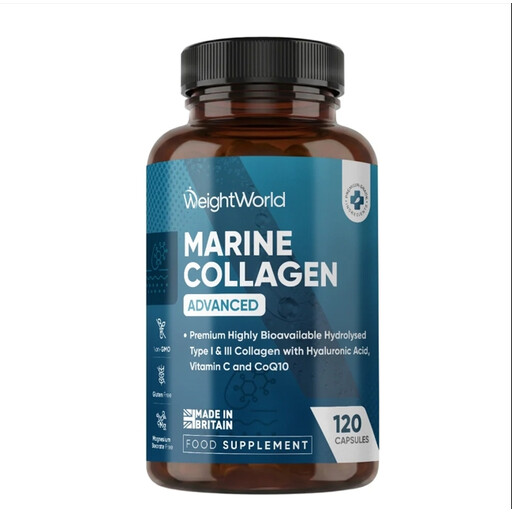
Why This Fits Their Persona: Suitable for users seeking a comprehensive formula who value high-quality ingredients. The combination of marine collagen and synergistic additives serves a sophisticated approach.
This product clearly declares hydrolysed Marine Collagen (Type I), avoiding the trap of vague claims. The formula isn't overloaded, but focuses on the proven combination with Hyaluronic Acid and Vitamin C.
Synergistic formula with highly relevant ingredients; hydrolysed peptides for good absorption; capsule form for easy, tasteless intake.
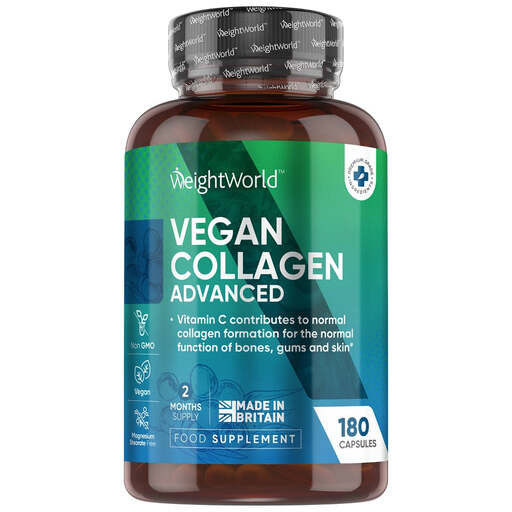
Why This Fits Their Persona: Specifically for vegans, vegetarians, or individuals who wish to avoid animal products for other reasons but still want to support their body's own collagen production.
This product is transparent and doesn't market itself as "plant-based collagen," but as what it is: a complex of plant-based amino acids (L-Glycine, L-Proline, etc.) that serve as building blocks for collagen synthesis.
100% vegan formula; provides targeted amino acids; enriched with Vitamin C and Zinc to support normal collagen formation.
We've compiled a complete, up-to-date list of products that fully meet these strict selection criteria and current regulations.
The body's own collagen production begins to slowly decline from our mid-20s. Therefore, many people start taking collagen supplements from the age of 30 as part of their skincare routine and to support general well-being. It is not a necessity, but an individual choice.
Yes, there are differences. While Collagen Types I and III are most relevant for skin, hair, and nails, Collagen Type II is primarily used to support cartilage tissue in the joints. Therefore, when selecting a product, make sure the collagen type matches your intended use. Products for skin firming typically focus on Type I.
The body's response to dietary supplements is individual. Scientific studies on the effect of collagen peptides on the skin often span a period of 8 to 12 weeks. Regular, long-term intake according to the manufacturer's recommendation is a prerequisite for being able to assess any potential effects.