
Lieferung heute & morgen

Qualitätsgarantie

Willkommens-Angebote freischalten: KOSTENLOSE Lieferung | Bis zu 80 % RABATT | Kostenlose 30-Tage-JoyPlus-Testphase
App herunterladen
A marker and highlighter set may seem like a straightforward purchase at first. In practice, however, pens vary considerably in their nibs, ink, ergonomics and intended uses. If you choose based only on the number of colours or a low price, you could end up with a set that leaks, bleeds through the paper or isn’t suitable for the task you have in mind.
This buying guide explains which features to look for before you buy and which options suit different needs.
A set with lots of colours isn’t automatically versatile. For detailed notes, technical sketches or journalling, you’ll need a fineliner with a fine nib. For headings or highlighting whole lines of text, a highlighter with a chisel or round nib is a better choice. If you use both regularly, look for a stationery set with different nibs or double-ended markers.
‘Quick-drying’ doesn’t automatically mean the ink won’t bleed through the paper. Thin exercise books, Bible pages and cheap printer paper are more susceptible than thick drawing paper. That’s why it’s important to check the ink type and the surfaces it’s designed for before you buy. Water-based ink can be practical for many everyday uses, but it’s still worth testing it on the paper you’ll be using.
According to product descriptions, the ink in washable markers can be removed from many fabrics and skin. This doesn’t guarantee that it will come out of every fibre, piece of furniture or unsealed surface. If you’re buying for children, also check the age guidance, small parts and any supervision advice.
Line width affects what you can use a pen for:
Double-ended markers save space by combining two line widths in one pen. Even so, check that both nibs are secure and that you can easily match each cap to the right end.
Water-based inks are common in many felt-tip pens, highlighters and fineliners designed for paper. For smooth surfaces such as film, plastic or glass, it’s important to check whether the ink is permanent or non-permanent. According to its product description, the STAEDTLER Lumocolor Non-Permanent F is designed for smooth, non-porous surfaces and can be removed with a damp cloth. It isn’t a substitute for a traditional whiteboard marker if you need to erase the ink when it’s dry.
Washable markers can be a good choice for children and families. For creative projects, though, it’s still a good idea to use a protective surface and follow the manufacturer’s instructions.
An ergonomic pen should feel comfortable in your hand and shouldn’t require unnecessary pressure during long writing sessions. Triangular barrels, used on some STAEDTLER models, can help support a comfortable grip and stop the pen rolling off the table. A non-slip grip is particularly useful for studying, marking work or long journalling sessions.
Storage matters too. Caps should close securely to stop the nib drying out. Some products are recommended for horizontal storage. For sets with lots of colours, a case or box helps you keep track of everything and reduces the chance of losing individual pens.
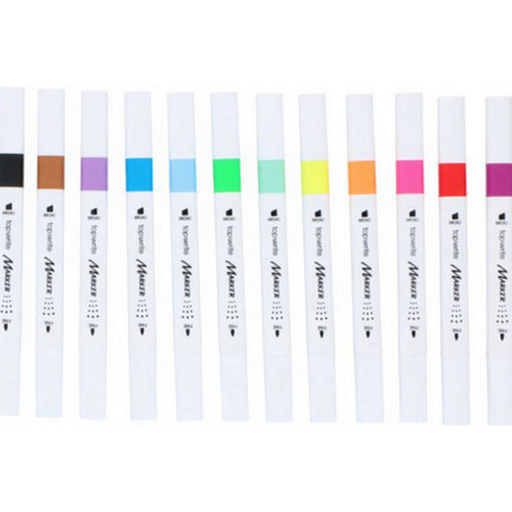
Why this product suits this profile: According to the product description, this 12-piece set combines a 3.5 mm nib for detail with a 5.8 mm chisel nib for headings and larger areas.
The two nibs reduce the need for several separate pens, while the colour selection makes it easy to stay organised when writing notes, creating mind maps and adding headings.
12 colours, two nib widths and a barrel described as ergonomically shaped.
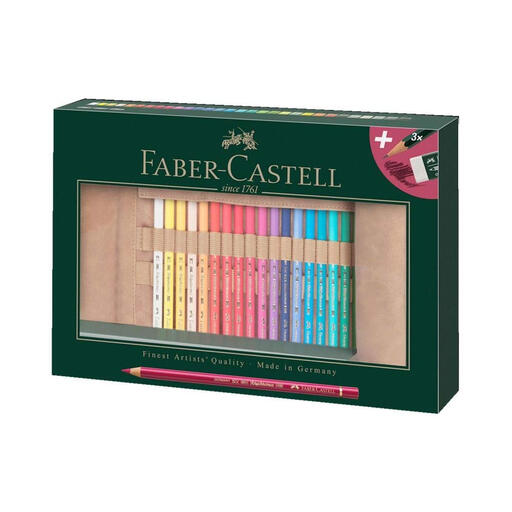
Why this product suits this profile: Designed for illustrators, hobby artists and anyone looking for art supplies, this set includes 30 coloured pencils, three graphite pencils and an eraser.
The selection is designed for colouring and layering, rather than bundling together a large number of unsuitable writing pens.
Oil-based lead with a 3.8 mm diameter, a case and extra HB, 2B and 8B pencils, according to the product details.
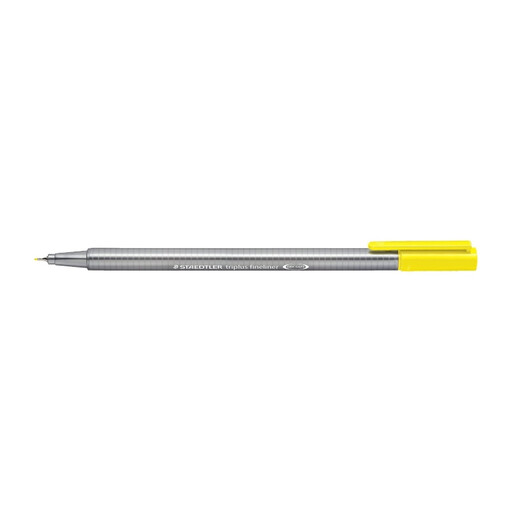
Why this product suits this profile: This fineliner is aimed at school pupils, students, office workers and journalling enthusiasts who need a fine line for precise notes.
The stated line width of around 0.3 mm is more clearly defined than that of a general felt-tip pen, making it easier to judge whether it’s suitable for small writing.
Metal-reinforced nib, triangular barrel and water-based ink that, according to the product details, washes out of most fabrics.
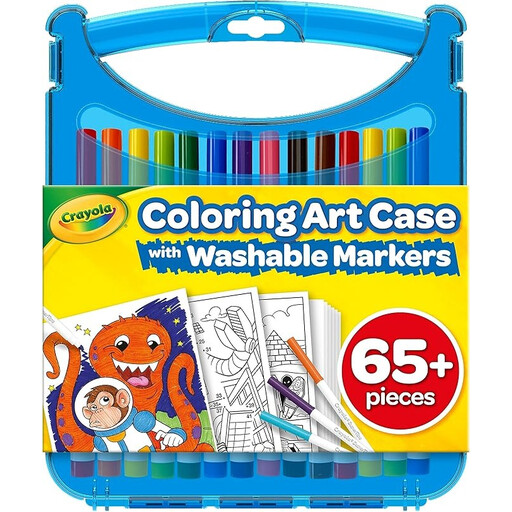
Why this product suits this profile: According to the product description, this set includes 25 markers, 20 colouring sheets and 20 blank sheets in a carry case, and is intended for children aged 4 and over.
The storage box helps keep individual pens and paper together. According to the product details, the ink is washable from skin and most fabrics.
A portable case, child-friendly design, colourful selection and extra drawing pad, according to the product description.
We’ve put together a complete, regularly updated list of products that meet these strict selection criteria and fully comply with the safety regulations in force in the EU.
A highlighter set is often all you need for colour-coded study notes. For bullet journalling, fineliners, gel pens and fine-tipped coloured pens are a better fit. For illustrations, consider coloured pencils, drawing pencils or art supplies with a specified lead. Ergonomic pens can be useful for long writing and drawing sessions, but they don’t replace the need to choose the right line width.
It depends on what you’ll use it for. For school and the office, several highlighter colours, an easy-to-see chisel nib and water-based ink are often enough. For creative projects, a combination of fineliners, felt-tip pens and broader markers is a good choice. If you have a range of tasks to tackle, you could choose a double-ended set and add some gel pens.
How long they last depends on how often you use them, the paper, storage and how well the caps fit. Replace the cap fully after each use and store the pens according to the manufacturer’s instructions. Nibs naturally dry out more quickly with frequent use. A large ink reservoir may extend the usable life, but it doesn’t guarantee a set lifespan.
For children, clear age guidance, secure caps and washable markers are important things to look for. If a set contains small parts, check the warning about choking hazards. Children should use pens only as intended, and younger children should draw under supervision.