
Lieferung heute & morgen

Qualitätsgarantie

Willkommens-Angebote freischalten: KOSTENLOSE Lieferung | Bis zu 80 % RABATT | Kostenlose 30-Tage-JoyPlus-Testphase
App herunterladen
There are marker pens for almost every creative and practical use. But an inexpensive marker set won’t necessarily suit every surface or type of paper. If you focus only on the number of colours or eye-catching product photos, you could end up with pens that bleed through the paper, dry out quickly or prove impossible to remove.
There are three common traps to watch out for:
Claims such as ‘quick-drying’ or ‘suitable for many surfaces’ should also be considered in context. How well a marker works depends on the paper or material, the pressure you apply and the type of ink.
The ink affects durability, coverage and how easily you can correct mistakes:
Choose a tip shape that suits the way you work:
Before buying, think about what you’ll be using your marker pens on. Special marker paper is often better suited to alcohol-based markers than thin exercise-book paper, as it helps reduce bleeding. Water-based fibre-tip pens generally work well on drawing paper, card and suitable journal pages.
It’s also important to:
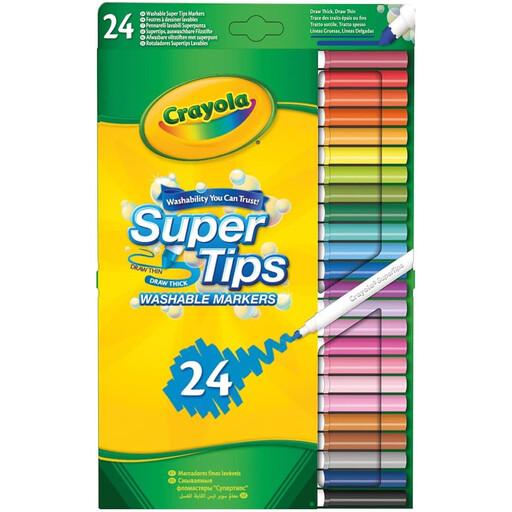
Why this product suits this profile: This 24-piece set is designed for creative children and their first drawing projects. The tip can produce lines of different widths depending on the angle.
The product details specify washable ink. That makes this set suitable for paper-based activities where accidental marks on skin or clothing are a consideration.
24 colours, variable line width and a design intended for children from the stated minimum age.
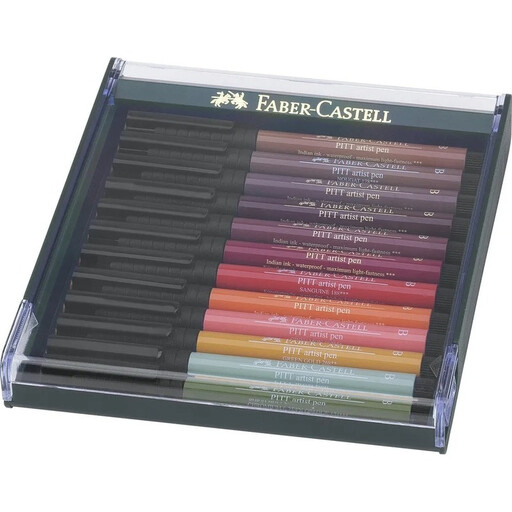
Why this product suits this profile: The twelve earth tones and flexible brush tip are ideal for illustrators, lettering enthusiasts and anyone looking to create lines of varying widths.
The product description specifies pigmented, waterproof and permanent drawing ink. So it’s clear that these pens aren’t intended for notes that need to be wiped away easily.
Flexible brush tip, twelve earth tones and recommended horizontal storage for the pigmented ink.
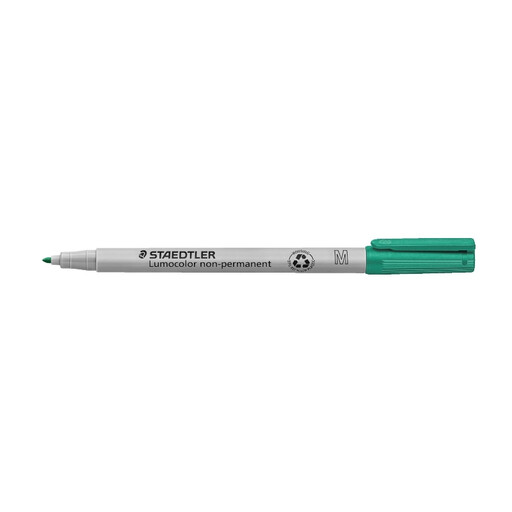
Why this product suits this profile: This marker is designed for temporary labelling on glass, plastic, film and other smooth surfaces.
The water-soluble ink can be wiped away with a damp cloth, according to the product details. This means temporary notes won’t be left permanently on smooth surfaces.
Medium tip with an approximate line width of 1.0 mm, suitable for several smooth materials, and a refillable barrel according to the product details.
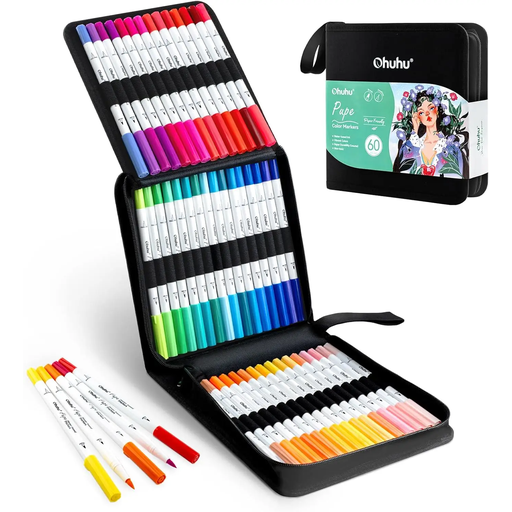
Why this product suits this profile: The combination of a 0.4 mm fineliner and a flexible 1–5 mm brush tip is ideal for journaling, lettering, sketching and filling in larger areas.
Each tip has a clearly defined purpose. That means you’re less likely to need to buy separate fineliners and broad markers.
59 shades plus a blender, water-based ink and two tips per pen, all in a storage case.
We’ve put together a complete, regularly updated list of products that meet these strict selection criteria and fully comply with the safety regulations applicable in the EU.
For children, age-appropriate washable pens with securely fitting caps are a practical choice. Follow the manufacturer’s recommended age. Caps and other small parts can pose a choking risk for children under three.
Waterproof markers are more resistant to moisture once dry, depending on the surface and ink formulation. Washable pens are easier to remove from skin or fabrics, although it’s still best to clean marks straight away and test first.
Replace the cap firmly as soon as you’ve finished using a marker. Dual-tip markers need to be capped at both ends. Storing them in a cool, dry place away from direct sunlight, and following the manufacturer’s storage recommendations, can help extend their useful life.