
Lieferung heute & morgen

Qualitätsgarantie

Willkommens-Angebote freischalten: KOSTENLOSE Lieferung | Bis zu 80 % RABATT | Kostenlose 30-Tage-JoyPlus-Testphase
App herunterladen
Whether you’re buying for children, school, hand lettering, presentations or permanent labelling, markers and felt-tip pens can vary considerably in their ink, nib, drying time and suitability for different surfaces. A wide choice of colours alone tells you little about whether a pen will really suit your everyday needs.
Most unsuitable purchases come down to three common marketing traps:
So it’s worth checking the technical details before you buy, rather than relying on product images and colour names alone.
The ink determines how long a mark lasts, how much it smells, how easy it is to clean and whether it bleeds through paper.
For flip charts, a dedicated water-based flip-chart ink is a practical choice. It’s designed for paper and, when used correctly, should help reduce bleed-through to the next sheet.
The nib determines whether a pen is suitable for writing, colouring or creating large areas of colour.
Nib material matters, too. Synthetic nibs can retain their shape under normal writing pressure. For children, a sturdy barrel and a ventilated cap with safety features are also worth considering.
A triangular barrel can help you maintain a comfortable, consistent grip when writing for longer periods. If you use markers frequently, DRY-SAFE features, tightly sealing caps and refillable systems are also worth looking for.
Check the following details:
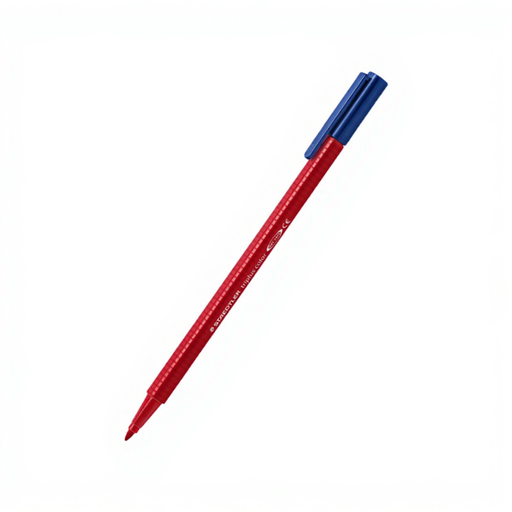
Why this product suits this profile: This water-based fibre-tip pen produces a 1.0 mm line for writing and colouring. Its triangular PP barrel helps support a consistent grip.
The specified line width and water-based ink make it clear what the pen is intended for. According to the product description, the nib is pressure-resistant.
Water-based ink, a line width of around 1.0 mm and a DRY-SAFE claim in accordance with ISO 554.
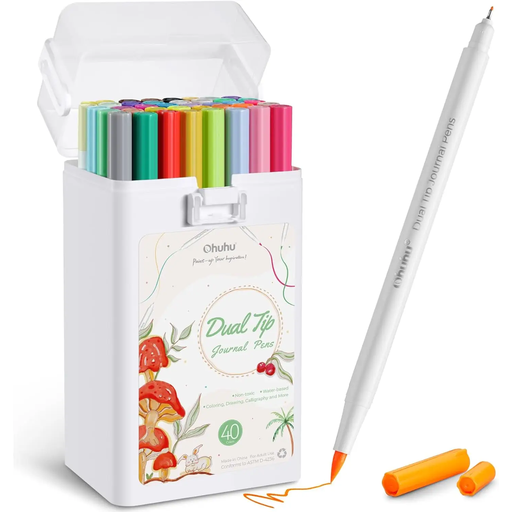
Why this product suits this profile: Illustrators, students and journalling fans get 40 colours, plus a 0.4 mm fine nib and a 1–5 mm brush nib.
The two nibs cover both detailed work and colouring larger areas. The product description specifies water-based, low-odour ink and ASTM D-4236 certification.
40 numbered colours, a dual-tip design and a storage box with a colour chart template.
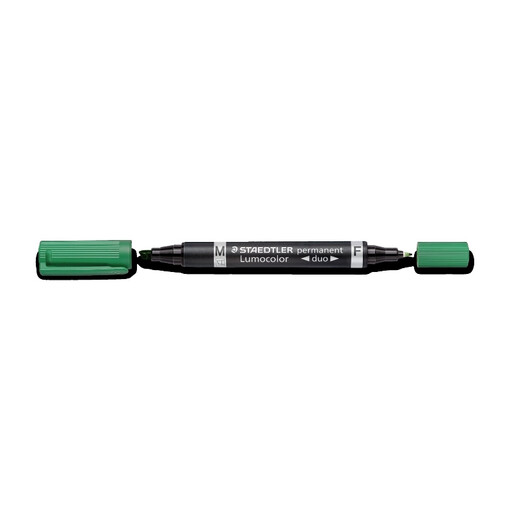
Why this product suits this profile: Designed for permanent marks on a range of hard surfaces, this permanent marker offers two line widths of around 0.6 and 1.5 mm.
Its intended uses are clearly specified: glass, plastic, metal and overhead projector film. According to the product description, the ink is permanent and water-resistant.
Two nibs, DRY-SAFE functionality and refillability with the specified STAEDTLER refill station.
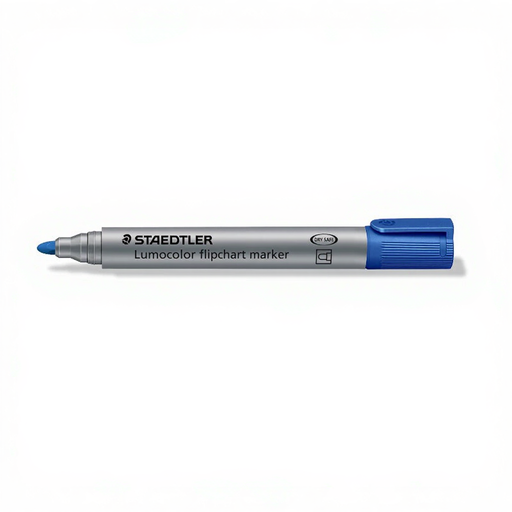
Why this product suits this profile: This 2 mm round-tip marker is designed for paper flip charts, making it suitable for meetings, lessons and brainstorming sessions.
The product description specifies paper flip charts as its intended use and describes the ink as water-based and low-odour. This reduces the risk of choosing an unsuitable permanent ink.
2 mm round nib, refillable design and a DRY-SAFE claim for several days without a cap.
We’ve put together a complete, regularly updated list of products that meet these strict selection criteria and fully comply with the safety regulations in force in the EU.
For children, water-based felt-tip pens designed for children with a sturdy nib, ventilated cap and clear age guidance are a sensible choice. Washable ink can make cleaning easier, but it isn’t necessarily stain-free. Keep small parts such as caps away from children under three.
How long they last depends on the amount of ink, how often they’re used and how they’re stored. Always close the caps firmly after use. Refillable markers can last longer when used with compatible refill ink. DRY-SAFE claims relate to drying out with the cap off under specific test conditions, not to unlimited shelf life.
Depending on the material, permanent markers or water-resistant markers may be suitable for glass, plastic, metal and other hard surfaces. Before you buy, check the specific surfaces listed, the line width and the drying time. Only use permanent markers on skin or food containers if the manufacturer explicitly says they’re suitable.