
Lieferung heute & morgen

Qualitätsgarantie

Willkommens-Angebote freischalten: KOSTENLOSE Lieferung | Bis zu 80 % RABATT | Kostenlose 30-Tage-JoyPlus-Testphase
App herunterladen
A massage gun, also known as a fascia gun or percussion massager, is an electric handheld device that delivers rapid, vertical pulses to muscle tissue. This mechanism, called percussion therapy, aims to enhance circulation and help relieve muscle tension. Its applications range from post-workout recovery to alleviating discomfort caused by sedentary activities.
Selecting a suitable model is based on an analysis of technical specifications. Parameters such as amplitude, frequency, motor power, and battery life are crucial for the device's functionality and practical usability.
The decision to purchase a muscle massager should be based on an objective evaluation of its technical features. The following criteria provide a basis for comparing different models.
The included massage heads determine the device's versatility. Standard attachments include:
Based on an analysis of product specifications and functional design, we present a few selected models here.
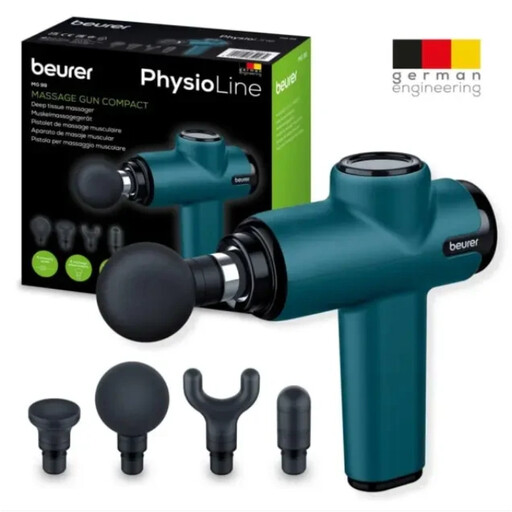
Why We Recommend This Product: The Beurer MG 99 stands out for its compact design and low weight, making it an excellent option for on-the-go use. The combination of five intensity levels and four standard attachments provides a solid foundation for versatile applications. The Beurer brand is well-established in the German market for health and wellness products.
Pros:
Who It's For: Users looking for a lightweight and portable cordless massager for post-workout recovery or for use at home and on the go.
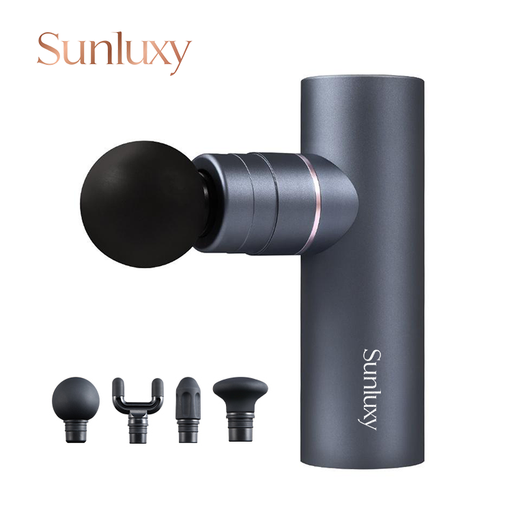
Why We Recommend This Product: This model focuses on two core aspects: motor power and battery life. With a 76-watt motor, it is designed for intensive use. The manufacturer-stated battery life of up to 9 hours is above average compared to many other models and reduces the need for frequent recharging.
Pros:
Who It's For: Athletes and individuals who require high performance and a very long battery life for regular, intensive massages.
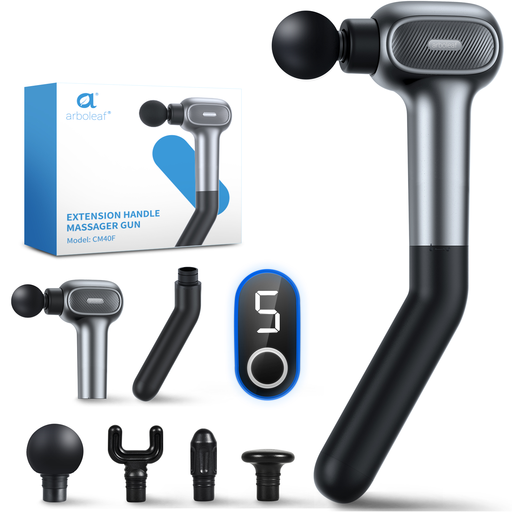
Why We Recommend This Product: The standout feature of the Arboleaf CM40F is its extended handle. This design solves a common problem: reaching your own back and shoulder area. The brushless motor also ensures comparatively quiet operation.
Pros:
Who It's For: Office workers and individuals with tension in the back and shoulder area who are looking for a device for independent use as a back massager or neck massager.
If the models presented do not fully meet your specific requirements, a broader selection may offer suitable alternatives. Different designs, performance levels, and accessories may be better suited for individual needs.
Discover more models in our Electric Massager category.
1. How often should you use a massage gun? A general recommendation is to use it for 1–2 minutes per muscle group. The total session time should generally not exceed 10–15 minutes. Many devices have an automatic shut-off feature to prevent overuse. It is advisable to listen to your body's signals.
2. What should you look for when buying a fascia gun? The most important technical criteria are the amplitude for massage depth, the frequency (percussions per minute) for intensity, the battery life for flexibility, and the included attachments for different body areas. Weight and ergonomics, such as an extended handle, are also relevant for user comfort.
3. Can a massage gun help with neck tension? A massage gun can be used to loosen the neck muscles (trapezius). However, special care is required. Use a low intensity level and a soft attachment (e.g., the ball head). Massage only the muscle tissue and avoid the cervical spine as well as the front and side areas of the neck. If you are uncertain or have pre-existing health conditions, medical advice should be sought before use.