
Lieferung heute & morgen

Qualitätsgarantie

Willkommens-Angebote freischalten: KOSTENLOSE Lieferung | Bis zu 80 % RABATT | Kostenlose 30-Tage-JoyPlus-Testphase
App herunterladen
Whether it's after a workout, a long day at the office, or for general relaxation, a massage roller can be an invaluable tool for targeting muscle tension and supporting recovery. However, the market is crowded, and not every product is suited for every purpose. Before you make a decision, it's crucial to understand the common pitfalls that often lead to an unsatisfying experience.
Many buyers choose the wrong density, making the roller either ineffective or uncomfortable. Another common mistake is opting for low-quality materials that quickly lose their shape. Furthermore, assuming a standard size works for all body parts often means that specific problem areas like the neck or feet can't be targeted effectively. This guide will help you navigate these challenges.
To find the ideal massage roller, you should consider three core parameters. These will determine the product's functionality, durability, and range of application.
The hardness level, or density, is arguably the most important criterion. A roller that is too soft won't provide enough pressure for an effective deep tissue massage, while one that is too firm can cause discomfort or even bruising for beginners or those sensitive to pain.
The material affects both the durability and the massage sensation. Common materials include EPP (Expanded Polypropylene), which is very firm and robust, and EVA foam, which is slightly softer and more forgiving.
The surface texture also plays a key role. A smooth fascia roller is well-suited for applying broad pressure to larger muscle groups. In contrast, a textured surface with knobs or grooves allows for a more targeted trigger point massage to work on specific knots more intensely.
The standard massage roller, with a length of 30 to 45 cm, is ideal for the back, thighs, and calves. However, specialised shapes are available for other parts of the body:
Based on the criteria above, we have curated a selection of products for different needs.

Why This Fits Their Persona: Ideal for athletes who require an intense deep tissue massage for post-workout recovery. Its high density and 61 cm length allow for effective treatment of large muscle groups like the back and thighs.
The material's high density prevents the ineffectiveness common with overly soft rollers. The robust PVC/PE material ensures it retains its shape even with intensive use.
The 61 cm (24-inch) length is optimal for covering the entire width of the back. The material is designed for intense, long-lasting use.
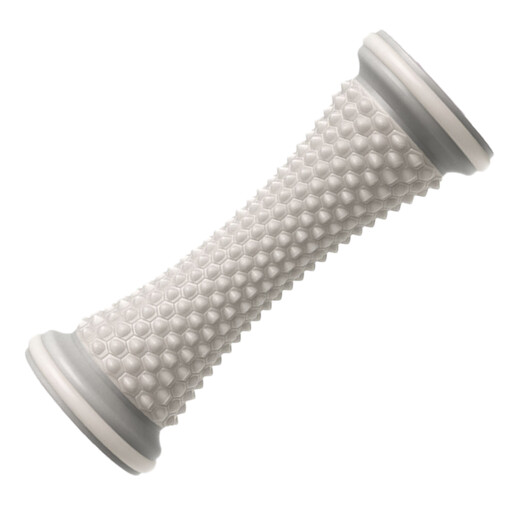
Why This Fits Their Persona: Specifically for people who spend a lot of time standing or walking and need a targeted solution for tired feet. This foot massage roller is designed for use on the plantar fascia and can contribute to pain relief.
This product bypasses the "one-size-fits-all" trap by offering a specialised, ergonomic shape for the feet, providing a level of precision a large roller cannot match.
Its compact size allows for easy use at a desk or at home. The textured surface provides a stimulating massage for the arch of the foot.
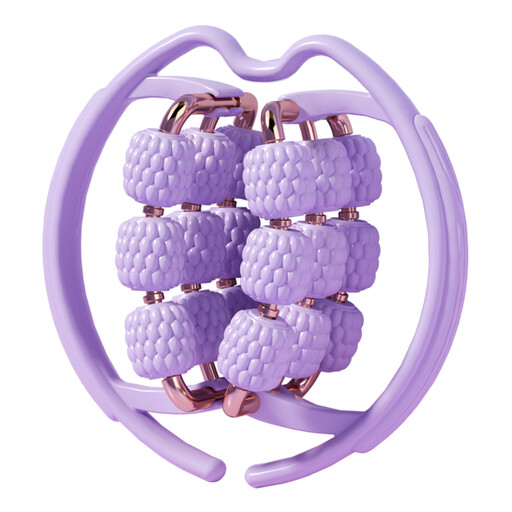
Why This Fits Their Persona: For users seeking a flexible tool to massage various body parts like the arms, thighs, and neck. This muscle roller is ideal for targeted tension release.
The flexible design with 18 individual wheels conforms to the body's contours, avoiding the rigidity of a conventional cylindrical roller.
Allows for self-regulated pressure intensity and massages multiple muscle strands simultaneously. Versatile enough for use on various parts of the body.
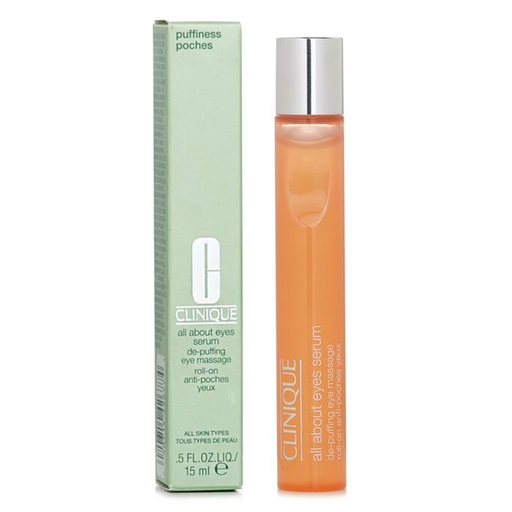
Why This Fits Their Persona: A specialised de-puffing eye roller that combines a cooling massage with a nourishing serum. Perfect for a morning routine or for a refreshing boost during the day.
This product demonstrates the broad scope of the term "massage roller." It avoids the critical mistake of using a body-focused tool on the delicate eye area.
Combines the mechanical action of a rollerball with a targeted cosmetic formula. The application is hygienic and straightforward.
We have compiled a complete, up-to-date list of products that fully meet these strict selection criteria and rigorous safety standards.
For general maintenance and recovery, using it 3 to 5 times per week is recommended. Each muscle group should be rolled for about 1 to 2 minutes. It's important to listen to your body's signals and adjust the intensity accordingly.
Beginners or individuals sensitive to pain should start with a soft or medium-density massage roller. This allows the muscles and fascia to gradually acclimate to the pressure without causing excessive pain.
Applying pressure through self-massage with a fascia roller can help address muscular tension. The goal is to release tightness in the connective tissue (fascia) and muscles. This is not a medical treatment but a tool for self-care and to support recovery. For persistent or severe pain, you should always consult a doctor or physical therapist.