
Same-day & Next-day Delivery

Quality Guaranteed

Unlock Your Welcome Offers: FREE Delivery | Up to 80% OFF | Free 30-day JoyPlus trial
Download the APP
As a Joybuy Product Recommendation Officer, I see the popularity of matcha snacks growing in Europe every day. The characteristic, slightly bitter flavour of ground green tea is finding its way into more and more products. However, not every green-coloured cookie delivers what the packaging promises. Before you buy, you should know the common pitfalls that often lead to disappointment.
This guide will help you separate the wheat from the chaff and find matcha biscuits that meet your expectations.
The 2 Most Common Disappointments When Buying Matcha Cookies:
To avoid a bad buy, you should focus not just on the packaging, but on the facts. Three objective criteria will help you make your choice.
A crucial indicator of quality is the ingredients list. Look for matcha powder and its percentage. Products that explicitly declare this value (e.g., "Matcha Powder (10%)") are often more transparent and typically offer a more authentic flavour experience. Some manufacturers use a combination of matcha and green tea powder, which can also be an indicator of a complex tea aroma. Products that only list "flavouring" should be treated with caution.
Not all matcha cookies are created equal. Texture is key to enjoyment. Consider what you prefer:
A quick look at the main ingredients reveals a lot about the product's quality. High-quality wheat flour, real butter, or a clear declaration of the vegetable oils used are good signs. For matcha chocolate or chocolate-coated cookies, the cocoa content is a relevant factor. For those with allergies, a thorough check of allergen information (e.g., gluten, soy, milk) is essential, especially with imported Asian snacks.
Here are some products that, based on objective features, could be interesting for different user profiles.
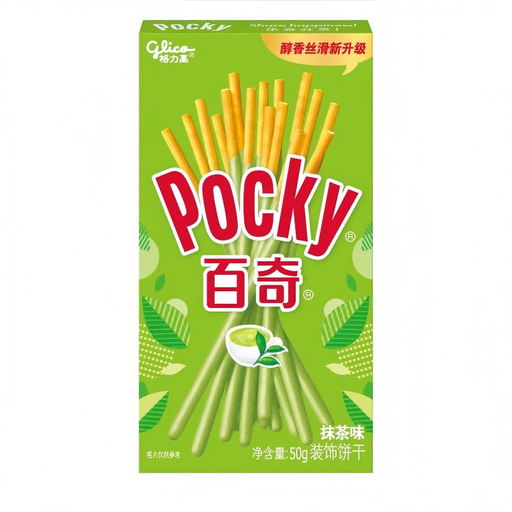
Why it's a great fit: Glico Pocky is an icon among Japanese sweets. The matcha version offers the familiar crispy biscuit stick, enveloped in a creamy coating. Ideal for parties, as a snack on the go, or for anyone looking for a recognisable and popular matcha snack.
The product doesn't disappoint with false promises. It delivers exactly what you expect from Pocky: a light, crispy biscuit with a clearly defined matcha coating. The matcha content in the cream is declared at 10%.
The combination of crispy texture and creamy coating provides a balanced mouthfeel. The convenient packaging makes it a perfect on-the-go companion.
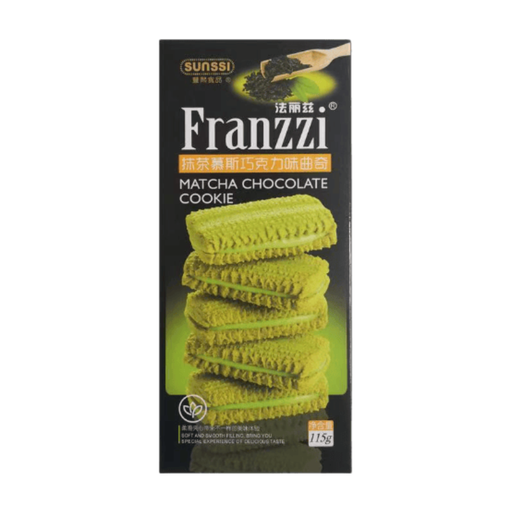
Why it's a great fit: For those who find a simple cookie isn't enough. This product combines a crispy biscuit base with a soft, silky matcha-flavoured mousse layer. It's aimed at connoisseurs seeking a more complex textural and flavour experience.
The product name "Mousse" sets a clear expectation for the texture, thus avoiding the disappointment of a filling that is too thin or firm. The dual formula of matcha and green tea powder promises a nuanced tea aroma.
The combination of a crispy biscuit and a soft mousse layer provides a varied mouthfeel. The individual packaging preserves freshness and makes portion control easy.
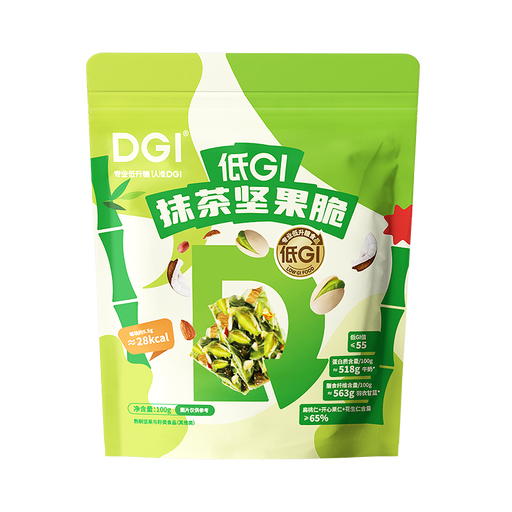
Why it's a great fit: This snack is an alternative to a classic cookie. It combines the flavour of matcha with the crunch and taste of nuts like almonds, peanuts, and pistachios. The formula with maltitol syrup and fructooligosaccharides aims for a milder sweetness.
This product clearly positions itself as a nut crisp, not a traditional cookie, which prevents false expectations about its texture. The ingredients list is transparent, highlighting the nut content (almonds 22.5%) and the use of alternative sweeteners.
Offers a crunchy, nutty texture that stands out from traditional biscuits. The high nut content provides an additional source of protein compared to purely flour-based cookies.
Most matcha cookies, especially crispy varieties like biscuit sticks or shortbread, should be stored in an airtight container after opening. Keep the container in a cool, dry place away from direct sunlight to protect both the texture and the delicate matcha flavour.
Matcha powder is made from specially grown and processed tea leaves that are ground into a fine powder. It has a vibrant green colour and a complex, sweet-yet-savoury (umami) flavour. Green tea powder (often called sencha powder) is derived from conventional green tea leaves, is usually more bitter in taste, and has a less intense colour. A high matcha content is often a sign of higher quality.
Although the combination with green tea is classic, the earthy, bitter notes of matcha cookies also harmonise very well with coffee. A mild latte or a cappuccino can balance the slight bitterness of the matcha and highlight the sweet components of the biscuit. It's a matter of personal preference.