
Lieferung heute & morgen

Qualitätsgarantie

Willkommens-Angebote freischalten: KOSTENLOSE Lieferung | Bis zu 80 % RABATT | Kostenlose 30-Tage-JoyPlus-Testphase
App herunterladen
The creamy, slightly bitter taste of a café-style matcha latte is a true delight. The desire to recreate this moment at home, quickly and easily, is why more and more people are turning to matcha latte powder. However, the market is vast, and not every product lives up to the promise of its vibrant green packaging. Vague product details and exaggerated marketing claims often lead to a disappointing taste experience and wasted money.
As your Joybuy Product Recommendation Officer, I'm here to help you navigate the common pitfalls. This guide will show you what to look for to find a powder that meets your standards for an authentic and enjoyable matcha latte.
Before you make a decision, you should be aware of the most common issues that can lead to a bad purchase.
To avoid these pitfalls, focus on three objective characteristics. These will help you evaluate the quality of a matcha powder for latte impartially.
The ingredients list is ordered by weight. If sugar or creamer (often disguised as glucose syrup or vegetable fat) is listed first, you're primarily buying a sweetened beverage. For an authentic taste, matcha powder (Green Tea Powder / Matcha) should be as close to the top of the list as possible. Also, check for milk powder if you prefer a plant-based preparation.
Some manufacturers specify the percentage of matcha powder. A higher percentage (e.g., over 8%) generally indicates a more intense and authentic flavour. Products with a 1–3% content are often milder and sweeter. This figure is a useful indicator of the expected taste intensity.
The choice of packaging depends on your habits.
Here are some recommendations tailored to different needs and preferences.
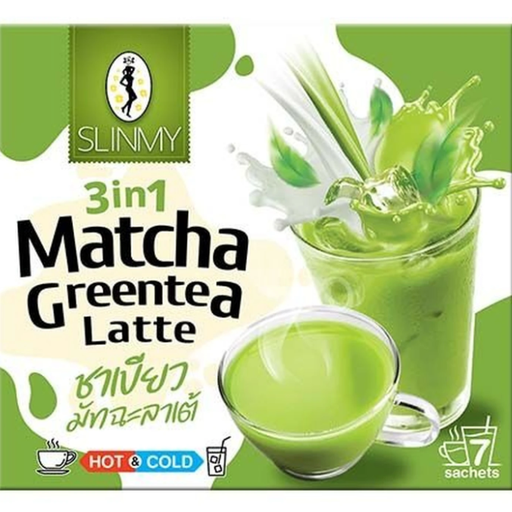
Why this product fits: Ideal for busy individuals or students looking for an extremely quick and simple solution. The pre-portioned sachets make preparation effortless—just add hot water and enjoy. Perfect for the office or as a quick treat.
This 3-in-1 product is transparently an instant mix. It avoids the trap of false expectations by clearly positioning itself for convenience, not pure matcha purism. The single-serving packets also prevent a large container from going to waste if you don't like it.
The Matcha Latte Sticks guarantee consistent dosing and are practical for on-the-go. The 8% matcha content ensures a discernible tea flavour.
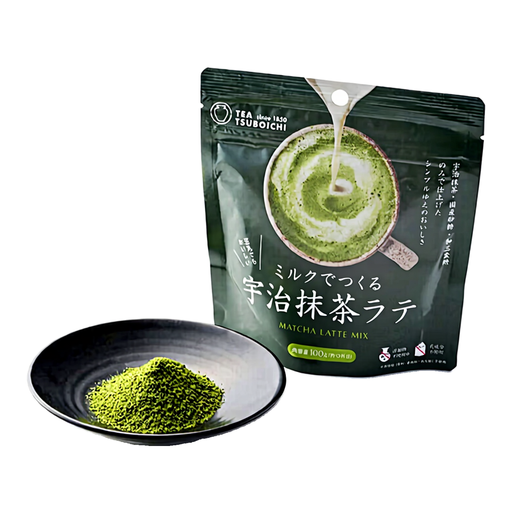
Why this product fits: For those seeking an authentic, less sweet flavour. This powder comes from a Japanese tea house with a long tradition and relies on a simple formula. It's designed for connoisseurs who prioritise the characteristic taste of matcha.
The short ingredients list (beet sugar, matcha, sugar) avoids the trap of hidden fillers and artificial flavours. Its origin from a renowned manufacturer in Sakai, Japan, speaks to a deliberate selection of the raw matcha material.
The powder contains no dairy, allowing for flexible preparation with any type of milk or plant-based drink. The sweetness comes from beet sugar, which ensures a balanced taste.
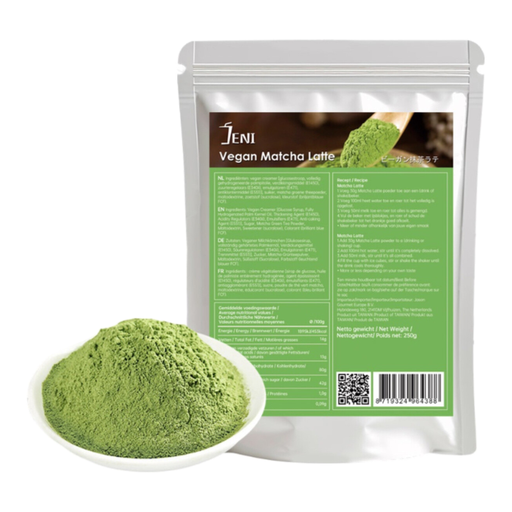
Why this product fits: Specially developed for those who follow a vegan diet or avoid lactose. This blend offers a creamy texture without any animal-derived ingredients, providing a worry-free indulgence for a health-conscious audience.
This product directly addresses the "hidden dairy" pitfall. By being explicitly labelled as a vegan matcha latte and using a plant-based creamer, it offers a safe and transparent choice for its target audience.
The formula is designed to create a creamy consistency even when mixed only with water. The 250g package offers excellent value for regular use.
We have compiled a complete, up-to-date list of products that fully meet these strict selection criteria.
The amount needed depends heavily on the product. For an instant matcha latte in single-serving sachets (sticks), the quantity is already pre-portioned. For powder in canisters, the recommended amount is usually 2 to 3 teaspoons (approx. 10–15g) per 150–200 ml of liquid. It's advisable to start with a smaller amount and adjust to your taste.
Yes, most powders can be prepared perfectly with plant-based milk alternatives like oat, soy, or almond milk. However, be sure to choose a powder without pre-mixed milk powder if you want a purely plant-based option. Products like the Tsuboichi Mix or special vegan blends are a great choice for this.
High-quality matcha powder, even if it's intended for lattes (culinary grade) and not for a pure tea ceremony, has several distinguishing features. A vibrant green colour is a good sign, whereas a yellowish or brownish hue indicates lower quality or improper storage. An origin from Japan, particularly from regions like Uji, is also a quality indicator. Lastly, the powder should be very finely ground and not form clumps.