
Lieferung heute & morgen

Qualitätsgarantie

Willkommens-Angebote freischalten: KOSTENLOSE Lieferung | Bis zu 80 % RABATT | Kostenlose 30-Tage-JoyPlus-Testphase
App herunterladen
By the Joybuy Product Recommendation Officer, 28 August 2026
The search for the right Matcha latte powder can quickly become overwhelming. The shelves are filled with products, all promising an authentic café experience at home. But not every bright green package delivers on its promise. Many consumers invest in a product only to find it contains more sugar than tea, or that the flavour is disappointingly flat. This guide will help you identify the crucial quality markers and avoid common purchasing pitfalls.
Before you buy Matcha powder, it's helpful to know the most common issues that can lead to a purchase you'll regret.
To ensure you get a product that meets your expectations, you should check three core aspects.
The ingredients list is ordered by weight, meaning the first ingredient listed is the most abundant.
Not all Matcha powder is created equal. The quality is often divided into two main categories:
Your personal preferences and desired preparation method will determine your product choice.
Here are some recommendations tailored to different needs and preferences.
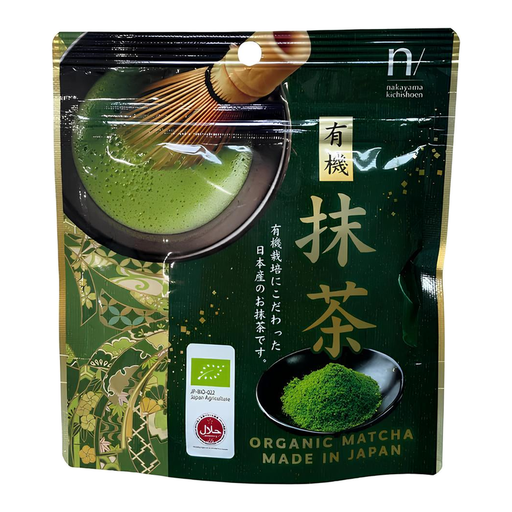
Why it's a great fit: Ideal for those who appreciate the authentic, pure taste of Matcha and want to control the preparation themselves. The organic quality appeals to health-conscious consumers who value origin and purity.
This product is 100% organic green tea powder. There are no hidden sugars, fillers, or artificial additives. You get the pure, unadulterated ingredient.
Maximum Versatility: Perfect for traditional tea, lattes, smoothies, and baking. Certified Organic Quality: Guarantees cultivation without synthetic pesticides and fertilisers.
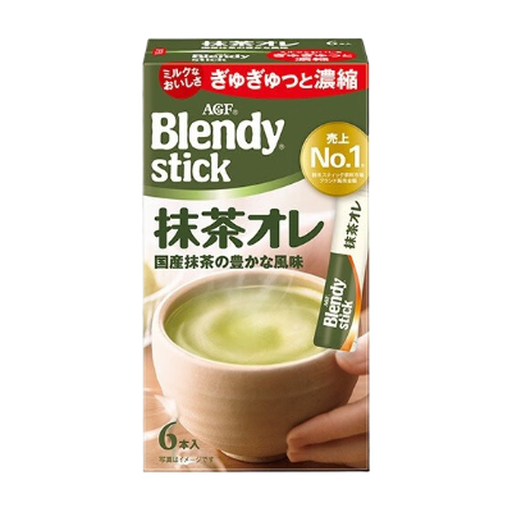
Why it's a great fit: Perfect for professionals or anyone who wants a quick yet tasty cup of Matcha latte. The pre-portioned sticks are ideal for the office or on the go.
Although it is a sweetened mix, the AGF brand offers a balanced recipe where the Matcha flavour (4% content) is clearly discernible and not completely overpowered by sugar.
Ultimate Convenience: Simply pour the contents of a stick into a cup, add hot water, and stir. Consistent Flavour: Every cup tastes identically delicious thanks to the portioning.
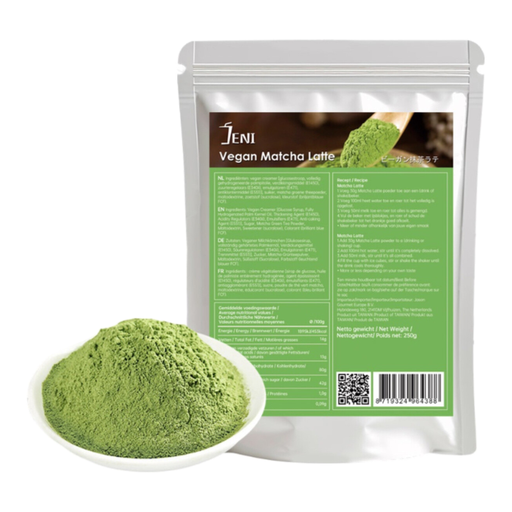
Why it's a great fit: This powder was specially developed for a plant-based diet. It combines Matcha with a vegan creamer, allowing for a creamy latte experience without any dairy products.
As an explicitly declared vegan Matcha powder, it avoids the trap of hidden dairy ingredients found in many conventional instant mixes. The ingredients list is clearly geared towards a plant-based formula.
100% Plant-Based: Guaranteed free from animal products. Creamy Texture: The vegan creamer provides a full-bodied and creamy mouthfeel that is often difficult to achieve when preparing with just water.
We have compiled a complete, up-to-date list of products that fully meet these strict selection criteria.
1. How can I spot good Matcha powder at first glance? A good indicator is the colour. High-quality Matcha powder has a vibrant, intense emerald green colour. A dull, yellowish, or brownish-green hue suggests lower quality, improper storage, or an older product. Always read the ingredients list and check the origin – Japanese green tea, especially from regions like Uji or Nishio, is often a mark of quality.
2. Can any Matcha powder be used for baking? In principle, yes, but it's not always practical. Ceremonial grade Matcha is more expensive, and its delicate, nuanced flavour is often lost during baking. Matcha for baking is better suited to culinary grade Matcha. It is more cost-effective and has a stronger, slightly more astringent flavour profile that holds up well against other ingredients like flour, sugar, and fat.
3. How long does Matcha latte powder last? Once opened, pure Matcha powder is sensitive to light, air, and heat. It should be stored in an airtight container in the refrigerator and consumed within a few months to preserve its colour and aroma. Instant Matcha latte mixes containing sugar and milk powder generally have a longer shelf life but should also be stored in a cool, dry, and well-sealed place. Always check the best-before date on the packaging.