
Lieferung heute & morgen

Qualitätsgarantie

Willkommens-Angebote freischalten: KOSTENLOSE Lieferung | Bis zu 80 % RABATT | Kostenlose 30-Tage-JoyPlus-Testphase
App herunterladen
Prepare a creamy matcha drink in just a few minutes: that is exactly what matcha latte powder is designed for. However, the name alone reveals little about the flavour, sweetness or ingredients. Some blends consist mainly of sugar and creamer powder, while others contain mostly matcha and green tea. If you focus only on the packaging design or terms such as “Japanese matcha”, you may end up paying for features that make up only a small proportion of the product.
This buying guide explains which details on the packaging really matter and which matcha drink powder suits different everyday situations.
In a matcha latte mix, sugar, milk powder or plant-based fats may account for considerably more of the product by weight than the matcha itself. Checking the ingredients list and, where provided, the percentage content will give you a clearer picture. For example, Kataoka Tsujiri Matcha Latte specifies a matcha content of at least 2%, while AGF Blendy Stick Matcha au Lait contains 4%. These are verifiable product details, but they do not tell you everything about whether the flavour will suit your personal taste.
Vegan matcha latte powder may contain plant-based creamer powder. At the same time, statements such as “May contain traces of soya or gluten” can also be relevant. For people following a vegan diet or those with specific intolerances, simply comparing products containing milk ingredients is not enough. The full ingredients and allergen information on the packaging should always be the deciding factor.
An instant matcha latte dissolves quickly, but it often contains sugar or sweeteners. If you want to control the sweetness yourself, purer matcha or green tea powders give you more flexibility. According to the product details, Itoen Matcha + Green Tea Rich Taste Powder is available without added sugar and without salt. It is therefore more of a matcha tea powder than a classic pre-sweetened latte mix.
In Germany and the EU, ingredients are generally listed in descending order by weight. If sugar or creamer is listed first, the product is usually a sweet milk tea or latte blend. If you prefer a more pronounced tea flavour, products with a stated matcha content or a combination of Japanese matcha powder and green tea may be worth considering.
Also check for:
The per-100-gram figures make products easier to compare, while the serving size may be more relevant in everyday use. A product containing 45 g of sugar per 100 g may have a different impact when used in a small serving than when a larger quantity is prepared. You should therefore also check the recommended amount of powder and liquid.
For example, Tsuboichi Matcha Latte Mix recommends using 2–3 teaspoons, or approximately 10 g, with 150 ml of hot milk. According to the labelling, the product contains sugar and beet sugar. If you prefer a less sweet cup, you can reduce the amount or combine an unsweetened matcha powder separately with milk or a plant-based alternative.
A good matcha latte powder should suit the way you plan to use it. Portion sticks are practical for the office, while a resealable pack may be more economical for everyday use at home. Cafés, restaurants and other high-volume users need the right dosage, reliable storage and a larger pack size.
Typical preparation methods:
Powder should be stored in a cool, dry place, protected from direct sunlight and tightly sealed after opening. The best-before date on the relevant packaging is authoritative.
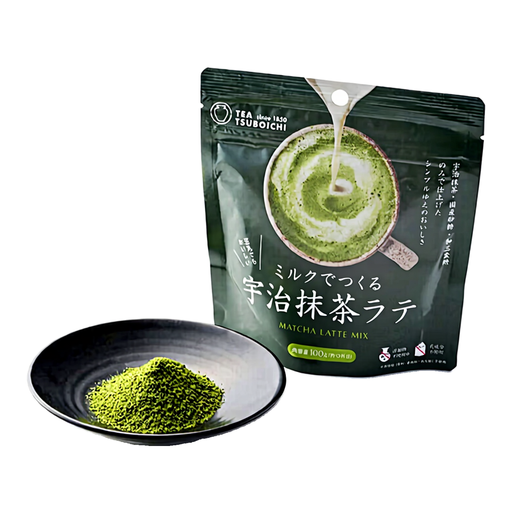
Why this product suits this profile: The 60 g pack is a good way to try a sweetened latte mix and can be prepared with hot or cold milk.
The ingredients and nutritional values are clearly stated, making it easier to assess the sweetness before buying.
Matcha from Uji according to the product description, 60 g of product and specific dosage instructions for hot and cold versions.
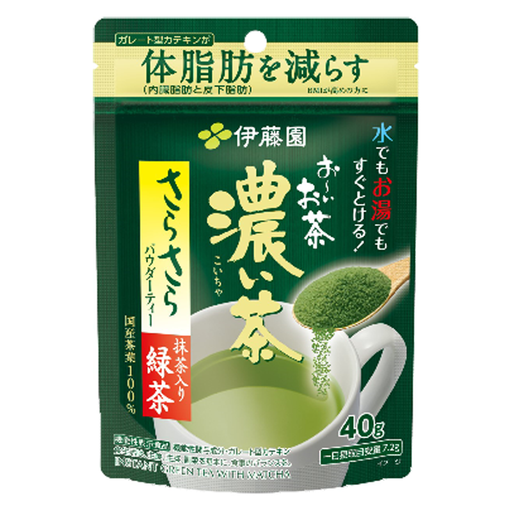
Why this product suits this profile: According to the product details, the blend combines Japanese green tea and matcha and is intended for preparation with hot or cold water.
The product description states 0 g of sugar and 0 mg of sodium per serving. This clearly distinguishes the blend from sweetened latte powders.
Instant-dissolving powder, 40 g tin and the option to use it with water or milk; you can add sweetness to taste.
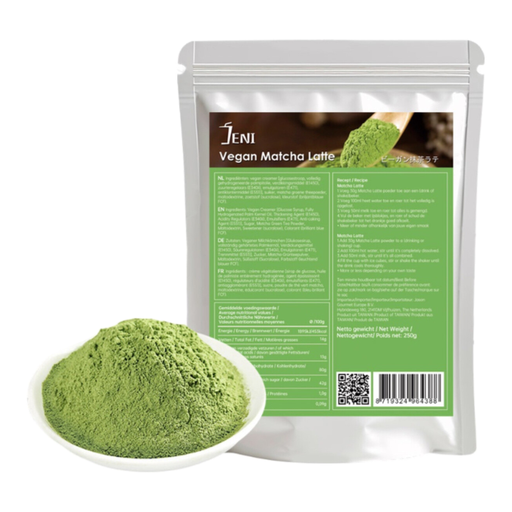
Why this product suits this profile: The product description identifies the blend as a plant-based matcha latte powder; it can be prepared with hot water or warm plant-based milk.
The full ingredients list is provided and includes sweeteners, palm oil and possible traces of soya or gluten.
250 g pack, plant-based creamer and simple dosage of 2–3 teaspoons per drink.
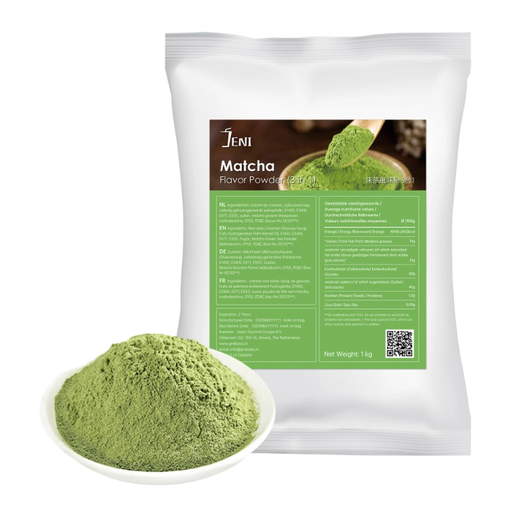
Why this product suits this profile: The large pack is designed for frequent preparation and may be appealing to cafés, restaurants or larger households.
The recommended amount is clearly stated: 25–30 g for a hot latte and 35 g for a cold latte. This makes it easier to calculate consumption.
1 kg format, 3-in-1 blend with sugar and creamer, and preparation with hot or cold liquid.
We have put together a complete, regularly updated list of products that fully meet these strict selection criteria and the safety regulations applicable in the EU.
First add the powder to a small amount of warm water or warm milk and stir until smooth. Only then add the remaining liquid. With cold drinks, this intermediate step prevents the powder from settling on the surface. A whisk, milk frother or shaker can make the mixture even more uniform.
The specific best-before date is shown on the packaging. Once opened, the powder should be stored somewhere dry, cool and protected from light, in an airtight container. Moisture can affect how freely the powder pours and may impair its flavour. With portion sticks, the contents remain individually protected until use.
Yes, there are both sweetened latte blends and powders without added sugar. One example is Itoen Matcha + Green Tea Rich Taste Powder, which contains 0 g of sugar per serving according to the product details. With classic matcha latte blends, check the ingredients list and the “of which sugars” value in the nutritional table. This allows you to choose between a purer matcha powder, hot or cold and a pre-sweetened matcha milk tea.