
Lieferung heute & morgen

Qualitätsgarantie
App herunterladen
Kategorien
Preparing a café-style matcha latte traditionally involves several steps: sifting pure matcha powder, whisking it with a bamboo whisk (chasen), and separately heating and frothing milk. A Matcha Latte Powder is a pre-formulated mix that streamlines this process. These products typically combine matcha powder, a sweetener, and a milk or creamer component into a single, soluble powder. The goal is to provide a quick and consistent preparation that only requires adding hot or cold water or milk.
Choosing the right Matcha Latte Mix depends on specific requirements for ingredients, flavour profile, and intended use. The following technical parameters should be considered when making a decision.
The base of every powder is matcha. However, the other ingredients significantly define the final product's character.
The origin of the matcha powder used can be an indicator of its flavour profile. Japanese Matcha Powder, especially from regions like Uji, is known for its specific aroma, often described as rich in umami. Products that specify their matcha's origin are often aimed at consumers who prefer an authentic taste.
The intended use influences the choice of packaging size.
The following selection is based on an analysis of product specifications and their suitability for different user groups.
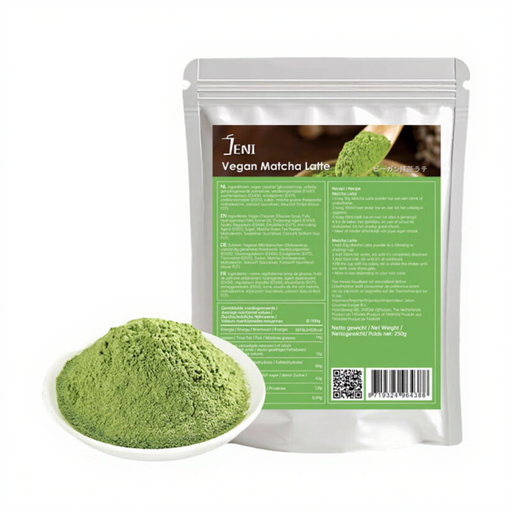
Product Feature Analysis: This product is designed as an explicitly vegan all-in-one solution. The formula combines matcha green tea powder with a vegan creamer based on glucose syrup and hydrogenated palm kernel oil. It is sweetened with sugar and the artificial sweetener sucralose. Its formulation as an instant matcha latte powder allows for simple preparation by dissolving it in hot water or plant-based milk.
Benefits:
Who it's for: This product is aimed at consumers looking for a straightforward and quick vegan matcha latte option for home use who value a purely plant-based ingredients list.
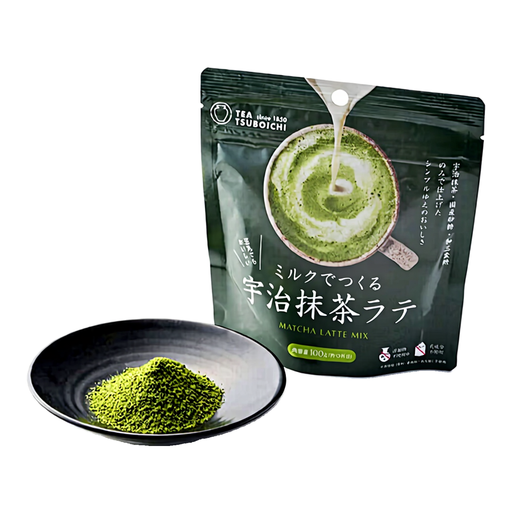
Product Feature Analysis: This Matcha Latte Mix comes from Tsuboichi, a Japanese tea manufacturer. The ingredients list is minimalist and, according to the manufacturer, consists of beet sugar, matcha, and sugar. The matcha used is pure Uji matcha. The product contains no artificial additives or milk components and must therefore be prepared with milk or a milk alternative.
Benefits:
Who it's for: Users who value the authentic origin of the matcha and a pure, simple formula. It is ideal for purists who want to choose their own type of milk and avoid added creamer components.
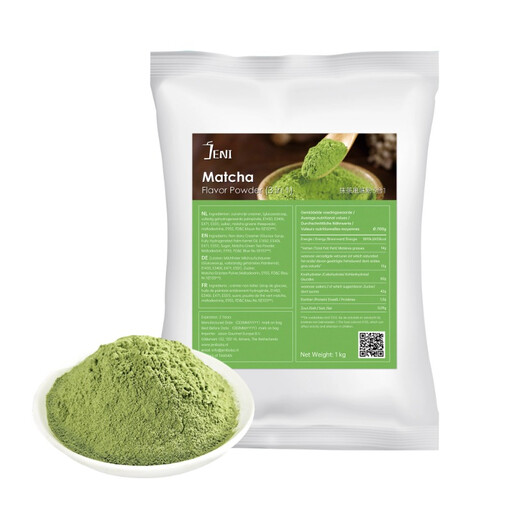
Product Feature Analysis: This product is offered in a 1 kg bulk package and is positioned as a professional 3-in-1 mix for food service or high-volume users. It contains sugar, a creamer based on hydrogenated vegetable fat and milk protein, and matcha powder. The formula is designed to dissolve quickly in both hot and cold liquids, making it practical for preparing iced lattes.
Benefits:
Who it's for: Food service businesses, cafés, bubble tea shops, and individuals with very high consumption who are looking for a cost-effective and easy-to-handle solution for making matcha lattes.
The products featured here represent a selection that covers different needs. The market offers a wide range of other mixes that vary in sweetness level, matcha content, and additional ingredients. For a more comprehensive overview of various mixes and pure matcha powders for DIY preparation, you can find more products in our Matcha Powder Mixes category.
1. What is the difference between matcha powder and matcha latte powder? Pure matcha powder consists of 100% ground green tea leaves and is unsweetened. It is used for the traditional tea ceremony, as well as for cooking and baking. Matcha latte powder is a ready-made mix that, in addition to matcha, also contains sugar or other sweeteners and often a milk or creamer component. It is specifically designed for the easy preparation of a latte drink.
2. How do you prepare matcha latte powder? Preparation is straightforward and a form of DIY matcha latte. Typically, 2-3 teaspoons of the powder are added to a cup and mixed with about 150-200 ml of hot (not boiling) water or warm milk/plant-based milk. Then, the mixture is stirred well until the powder has completely dissolved. For a cold version, the powder can first be dissolved in a small amount of hot water and then topped up with cold milk and ice cubes.