
Lieferung heute & morgen

Qualitätsgarantie

Willkommens-Angebote freischalten: KOSTENLOSE Lieferung | Bis zu 80 % RABATT | Kostenlose 30-Tage-JoyPlus-Testphase
App herunterladen
The world of matcha powder can be overwhelming. From vibrant green tins promising an authentic experience to convenient instant mixes for a quick matcha latte, finding the right product isn't always easy. As your Joybuy Product Recommendation Officer, I'm here to help you see through the marketing claims and make an informed decision. Many buyers invest in products that don't meet their expectations. Here are the most common pitfalls and how to avoid them.
Pitfall 1: Vague Quality Claims. Terms like "Ceremonial Grade" or "Premium" are not legally protected. A high price does not automatically guarantee high quality. Often, an expensive label hides a powder of mediocre quality that is too bitter for pure enjoyment.
Pitfall 2: Hidden Sugar in Pre-made Mixes. The sugar content can be very high, especially in Matcha Latte Powder or Instant Matcha Tea. Those looking for a healthy beverage often end up with a sugar-laden mix where the actual matcha content is minimal.
Pitfall 3: Improper Packaging. Matcha is extremely sensitive to light, air, and moisture. Products in transparent or non-resealable packaging quickly lose their colour, aroma, and nutritional value, often just a few weeks after opening.
To ensure you find the right product for your needs, you should check three key factors before making a decision.
The quality of matcha is heavily dependent on its origin and processing. Japanese matcha, particularly from the Uji region, is considered the benchmark for high quality. Pay attention to the intended use, which is often divided into three categories:
The ingredient list is the most honest indicator of product quality.
Matcha Latte Powder or flavoured varieties, check the percentage of matcha and the order of ingredients. If sugar is listed first, it is primarily a sugary drink powder. Also, watch out for fillers like dextrin or milk powder.Packaging is crucial for shelf life. Ideally, matcha is sold in opaque, airtight, resealable containers like metal tins. Matcha sticks are an excellent alternative for on-the-go use or for those who drink matcha infrequently. Each portion is individually sealed, guaranteeing maximum freshness until the moment of preparation.
Here are some recommendations tailored to specific needs and use cases.
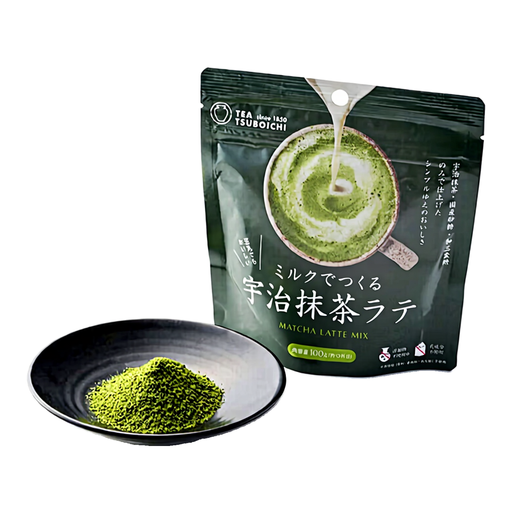
Why This Fits Their Persona: Ideal for anyone who wants to enjoy the creamy taste of a café-style latte at home without the fuss. The mix is perfectly balanced and dissolves instantly in hot or cold milk.
This product is transparently labelled as an instant mix. You know exactly what you're getting—a sweetened latte blend—thus avoiding the "hidden sugar" trap.
Made with Uji Matcha and beet sugar for a balanced sweetness. Delivers a café-quality experience in seconds.
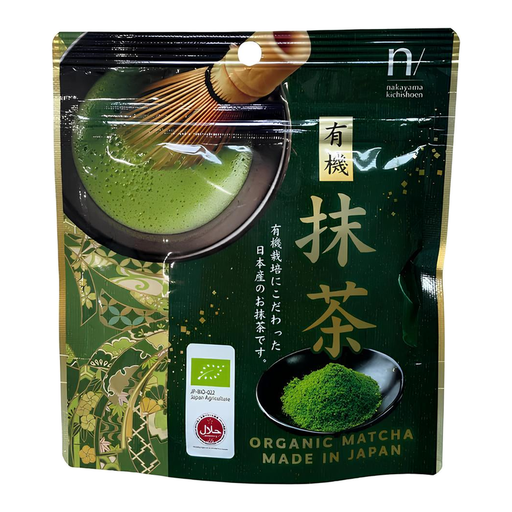
Why This Fits Their Persona: Perfect for tea connoisseurs seeking the authentic, pure taste of matcha. This product is 100% pure, organic, and free from any additives—ideal for a traditional tea ceremony or as a healthy boost in smoothies.
This product bypasses the vague quality claims trap with a clear origin (Japan) and an organic certification. It is guaranteed to contain no fillers or sugar.
100% pure Organic Matcha Powder. It offers a delicate umami flavour with only subtle bitterness, indicating high-quality tea leaves (Tencha).

Why This Fits Their Persona: For users who value flexibility. This powder is unsweetened and dissolves in both cold and hot liquids. It's suitable for a quick tea, as a base for a self-sweetened latte, or for enhancing dishes.
As a sugar-free Matcha product, it gives you full control. You avoid the pre-made mix trap and can use it for a variety of recipes, from healthy to indulgent.
Instantly soluble in hot and cold water. The blend of matcha and green tea provides a rich, full-bodied flavour. Contains no added salt or sugar, according to the manufacturer.
We have compiled a complete, up-to-date list of products that fully meet these strict selection criteria and comply with all relevant regulations.
Good matcha powder has a vibrant, emerald green colour, with no olive or brownish tones. The texture should be extremely fine and silky, similar to icing sugar. A high-quality powder smells fresh, slightly sweet, and grassy. A bitter or fishy smell indicates lower quality or improper storage.
Once opened, matcha powder should always be stored in an airtight container in a cool, dark place to preserve its freshness. The refrigerator is an ideal location. Ensure the container is tightly sealed to prevent the tea from absorbing foreign odours. It's best to consume the powder within two to three months of opening.
In theory, you can use any matcha powder, but it's a matter of price and flavour profile. Matcha for baking (culinary grade) is more cost-effective and has a stronger, more robust flavour that holds its own in cakes, cookies, or smoothies. Ceremonial grade would be too expensive for this purpose, and its delicate aroma would be overpowered by other ingredients.