
Same-day & Next-day Delivery

Quality Guaranteed

Unlock Your Welcome Offers: FREE Delivery | Up to 80% OFF | Free 30-day JoyPlus trial
Download the APP
The search for the right Matcha Powder can quickly become overwhelming. The vibrant green powder, once an insider's secret, now fills shelves in countless varieties. But behind the appealing packaging, there are often quality differences that can spoil the experience and unnecessarily strain your wallet. Many consumers fall into common traps, whether due to misleading labels or hidden additives.
This guide will help you separate the wheat from the chaff. We'll show you the most common pitfalls when buying Matcha Tea and explain which objective criteria you should look for to make an informed decision—free from marketing hype.
To avoid a bad purchase, you should base your selection on three verifiable parameters. These will help you objectively assess a product's quality.
The quality of matcha is largely determined by its origin and the tea leaves used.
The ingredient list is your most important tool. For pure Matcha Powder, there should only be one ingredient listed: "100% Green Tea Powder" or "100% Matcha."
With a Matcha Latte Powder, a longer list is to be expected. Pay attention to the order of the ingredients. If sugar is listed first, its proportion is the highest. High-quality mixes are characterised by a higher matcha content and the absence of unnecessary fillers or artificial flavours.
An Organic Matcha with an EU organic seal guarantees that no chemical-synthetic pesticides and fertilisers were used in its cultivation. This is not only an indicator of more sustainable farming but also provides assurance regarding the purity of the final product. The inspections ensure that the strict EU regulations for organic agriculture are met.
Based on these objective criteria, we have put together a selection of products suitable for different needs and applications.
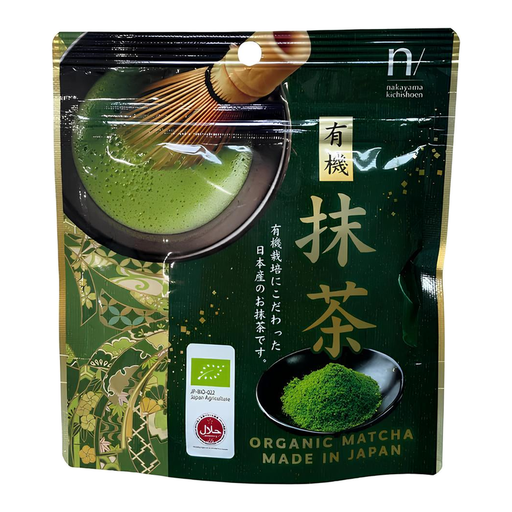
Why This Fits Their Persona: Ideal for those who seek the pure, unadulterated taste of matcha. This powder is perfect for traditional preparation as tea (Usucha) and offers the quality that connoisseurs expect for an authentic flavour experience.
The ingredient list consists of 100% organic green tea, with no additives. The organic certification and the clear "Japan" origin provide transparency, bypassing the pitfalls of unclear origins and hidden fillers.
Certified organic quality and a fine grind that promises a delicate umami aroma with slightly sweet notes. Versatile for use in tea, lattes, or for enhancing dishes.
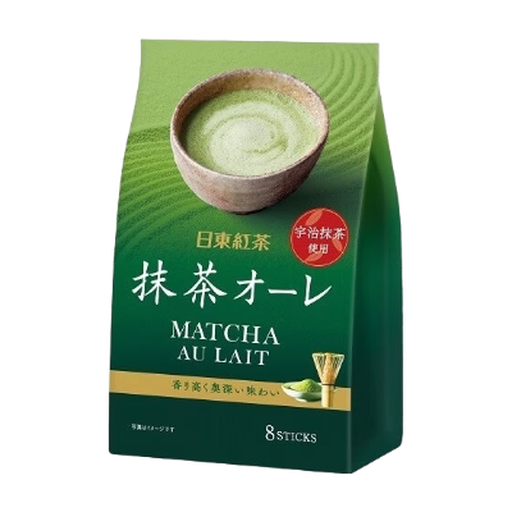
Why This Fits Their Persona: Perfect for a quick treat at home or in the office. Anyone who loves the creamy taste of a café-style matcha latte but lacks the time for elaborate preparation will find a convenient solution here.
This product is clearly positioned as an instant matcha latte mix. The ingredient list is transparent, showing that it is a sweetened milk-tea beverage. It doesn't create the false impression of being pure matcha.
The single-serving sticks are extremely convenient and guarantee consistent quality. The powder dissolves in seconds in hot or cold water, creating a creamy drink.
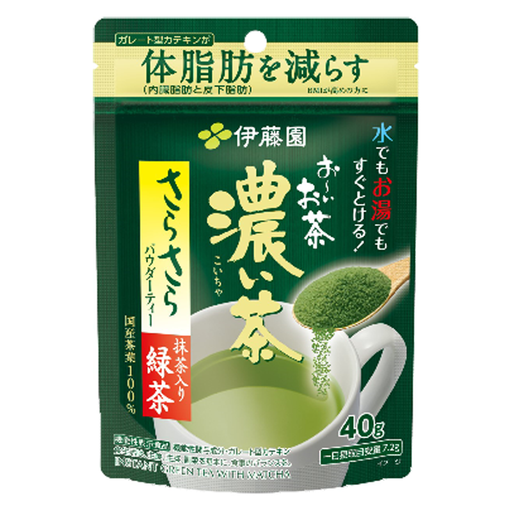
Why This Fits Their Persona: For beginners who want to experience the benefits of matcha without sugar or additives. The blend with green tea mellows the intense notes of pure matcha, making it an easy entry into its world of flavour.
This product consistently avoids the sugar trap. The product description explicitly highlights that it contains 0g of sugar and 0mg of sodium per serving. It's an honest and simple mix without hidden calories.
The powder dissolves instantly in hot and cold water, making it extremely versatile. It offers an authentic tea taste without any sweetness, allowing for customised preparation.
We have compiled a complete, up-to-date list of products that fully meet these strict selection criteria and quality standards.
A high-quality Matcha Powder, especially a ceremonial grade, should have a vibrant, intense emerald green colour. This is a sign of high chlorophyll content, which results from shading the tea plants before harvest. A yellowish or brownish hue, on the other hand, indicates lower quality, a later harvest, or improper storage (e.g., exposure to light or oxygen).
In principle, yes, you can also use ceremonial matcha for cooking or baking. However, this is often not economical. A dedicated matcha for cooking (culinary grade) is typically more affordable and has a stronger, slightly more astringent flavour profile that holds up well in recipes with milk, sugar, or fat and doesn't get lost. It is an excellent choice for achieving an intense colour in cakes or smoothies.
The fundamental difference lies in the production and consumption. For matcha, the tea leaves (Tencha) are steamed, dried, and then ground into a fine powder using stone mills. When you drink matcha, you consume the entire tea leaf. In contrast, with regular green tea, the leaves are simply steeped in hot water, and you only drink the resulting infusion, while the leaves themselves are discarded.