
Lieferung heute & morgen

Qualitätsgarantie

Willkommens-Angebote freischalten: KOSTENLOSE Lieferung | Bis zu 80 % RABATT | Kostenlose 30-Tage-JoyPlus-Testphase
App herunterladen
By Joybuy Product Recommendation Officer, July 29, 2026
Matcha has evolved from a traditional Japanese beverage into a globally cherished ingredient. Its distinctive, slightly bitter, and complex green tea flavor is now found in a wide range of products, from confectionery to skincare. However, its growing popularity has also led to a saturated market. Many matcha products don't live up to the promise of their vibrant green appearance. This guide will help you identify common purchasing pitfalls and find products that are worth their price.
Before you buy Asian sweets online, it's important to understand the typical issues that can lead to disappointment.
To ensure you're getting a high-quality product, you should check three core aspects. These will help you objectively evaluate the quality of matcha sweets and other items.
The ingredients list is your most important tool. Pay attention to where matcha powder (or Camellia Sinensis Leaf Powder) is listed. If it's near the top, its proportion in the final product is higher. If it appears after sugar, syrup, and fillers, its role is likely minimal. Terms like "Uji Matcha" indicate a specific, often higher-quality origin from the Uji region in Japan, which is renowned for its tea cultivation.
An authentic green tea flavor is characterized by a balance of sweetness, bitterness (earthiness), and umami. A look at the nutrition facts can be revealing. An extremely high sugar content per 100g can be an indicator that the sweetness is meant to mask a low-quality or low-quantity matcha content. This is particularly relevant if you are specifically looking to buy Japanese snacks, which are often known for their more subtle sweetness.
If you're looking for a specific product like a Dorayaki or a matcha cake, take a moment to research its traditional composition. An authentic dorayaki typically consists of two pancakes with a sweet red bean paste (anko) filling. A matcha version should retain this basic structure, enhancing the batter or filling with real matcha, rather than being a completely different product.
Here are some recommendations tailored to different needs and preferences, which take the above criteria into account.
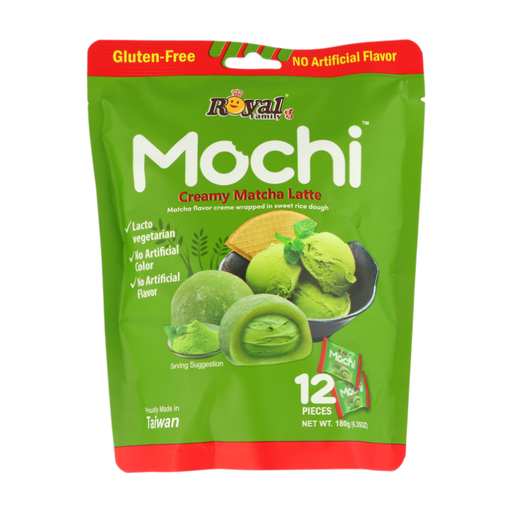
Why This Fits Their Persona: Mochi is an iconic Japanese sweet, making it an ideal entry point. The soft, chewy texture combined with the matcha flavor offers an authentic experience. The individually wrapped pieces are convenient for on-the-go consumption.
The product name 'Intense Matcha' and an ingredients list showing 3% matcha powder indicate a focus on genuine flavor, avoiding the 'flavor trap.' It's an authentic Mochi Matcha.
Authentic, chewy mochi texture made from glutinous rice flour. A clear matcha note with balanced sweetness. Individually wrapped for freshness and portion control.
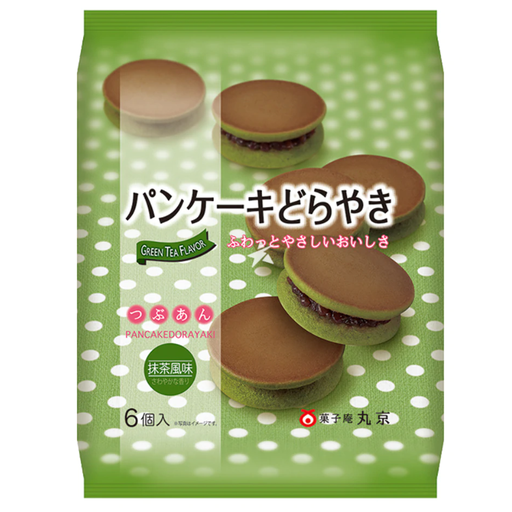
Why This Fits Their Persona: Dorayaki is a classic, familiar to many from Japanese pop culture. This product offers the traditional experience with a modern twist by infusing the pancake batter with matcha. It's ideal for anyone looking to buy authentic Japanese snacks.
This product comes from Marukyo, an established brand. It maintains the authentic structure of a Dorayaki, thus avoiding the 'false authenticity' trap. The combination of matcha and red bean paste is a classic Japanese flavor pairing.
Classic combination of fluffy batter, sweet adzuki bean paste, and the earthy aroma of matcha. An authentic product from a Japanese brand.
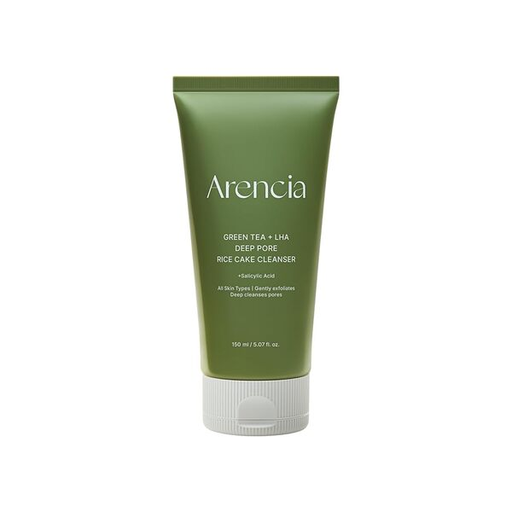
Why This Fits Their Persona: This person is specifically looking for the benefits of green tea in skincare. The product addresses a specific skin concern (clogged pores) by combining green tea extract with another effective ingredient (LHA).
The product description is transparent about its active ingredients. It clearly communicates that the pore-clearing effect is based on the combination of green tea and LHA (Lipo-Hydroxy Acid). This avoids the trap of vague marketing promises in matcha skincare.
Combines the soothing properties of green tea with the sebum-dissolving power of LHA. The unique, elastic 'rice cake' texture provides a special cleansing experience.
We have compiled a comprehensive list of products that meet the selection criteria mentioned here. Discover more carefully selected items.
1. How do I properly store matcha sweets to keep them fresh? Most packaged Asian confectionery like mochi or dorayaki should be stored in a cool, dry place away from direct sunlight. Once the package is opened, it's best to consume them quickly, often within one to two days, to preserve their texture and freshness. Always follow the storage instructions on the specific product.
2. Is the "green tea flavor" in snacks always the same? No, the flavor varies significantly. It depends on the quality, origin, and amount of the matcha powder used. High-quality matcha offers a complex flavor profile with umami notes and a pleasant earthiness. Products with a lower matcha content or artificial flavorings often taste only sweet and slightly grassy. A look at the ingredients list helps to distinguish between "matcha powder" and "flavoring."
3. Are matcha products suitable for a vegan diet? This depends on the individual product. While matcha powder itself is vegan, many matcha sweets contain animal products like eggs, milk powder, or honey. This is the case, for example, with many dorayaki or cake varieties. It is essential to carefully check the ingredients list and allergen information on the product packaging before purchasing.