
Lieferung heute & morgen

Qualitätsgarantie

Willkommens-Angebote freischalten: KOSTENLOSE Lieferung | Bis zu 80 % RABATT | Kostenlose 30-Tage-JoyPlus-Testphase
App herunterladen
The distinctive, bittersweet flavour of matcha has evolved from traditional tea ceremonies to become a staple in the international confectionery world. However, with the growing selection of matcha sweets, it's increasingly difficult to distinguish authentic products from those merely jumping on the trend. Many buyers are left disappointed by artificial flavours or overly sweetened snacks that have little in common with the true matcha experience.
This guide will help you avoid the most common purchasing pitfalls and find products that deliver an authentic taste. We'll show you which parameters truly matter so you can make an informed decision when buying Japanese matcha sweets.
Before you buy sweets from Japan, you should be aware of the typical issues that can lead to an unsatisfying taste experience.
To avoid these pitfalls, you should pay attention to a few objective criteria during selection. These will help you separate the wheat from the chaff.
Not all green tea is matcha. Real matcha is made from specially grown and processed tea leaves. A key indicator of quality is the statement of origin. Uji matcha products, named after the Uji region near Kyoto, are considered particularly high-quality. Look for phrases like "from Uji, Japan" on the packaging. The quality of the matcha powder used directly influences the sweet's flavour profile—from mild and creamy to intense and earthy.
A quick glance at the ingredients list is often revealing. Look for "matcha powder" as a specific ingredient. If it appears high on the list, a more intense flavour is likely. In contrast, terms like "flavouring" or "matcha flavour" often indicate the use of artificial additives. A transparent ingredients list without unnecessary fillers is a good sign.
Matcha snacks come in countless forms. Your personal texture preference is a crucial factor in your choice:
Here are some products tailored to different flavour profiles and preferences.
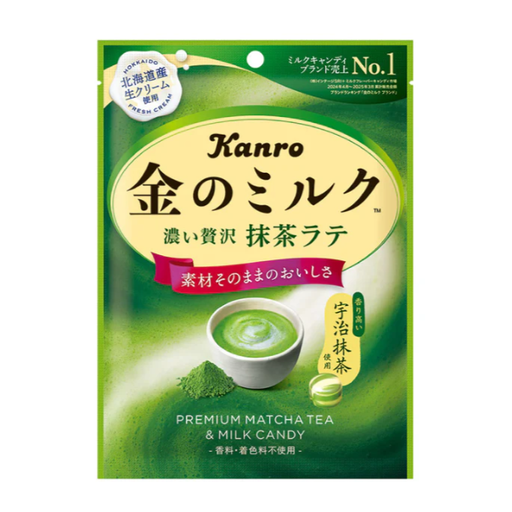
Why it's a great fit: Ideal for those trying matcha for the first time. The combination of creamy Hokkaido milk and Uji matcha creates a gentle, balanced flavour reminiscent of a matcha latte that isn't overwhelming.
According to the manufacturer, the product uses real Uji matcha and avoids artificial flavourings. The sweetness is well-balanced by the milk component and doesn't mask the tea's flavour.
Authentic matcha latte flavour in a candy form. Individually wrapped and convenient for on the go.
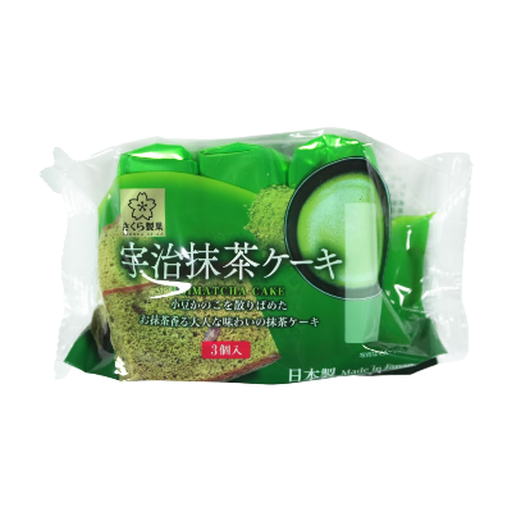
Why it's a great fit: For enthusiasts seeking an authentic, high-quality matcha flavour. The soft Castella cake offers a moist texture and a refined taste that pairs well with tea or coffee.
This product explicitly advertises its use of Uji matcha, indicating high-quality tea powder. The flavour is balanced and not overly sweet, allowing the tea's delicate notes to shine through.
Authentic Japanese cake with a soft texture. The use of Uji matcha provides a deep, complex aroma.
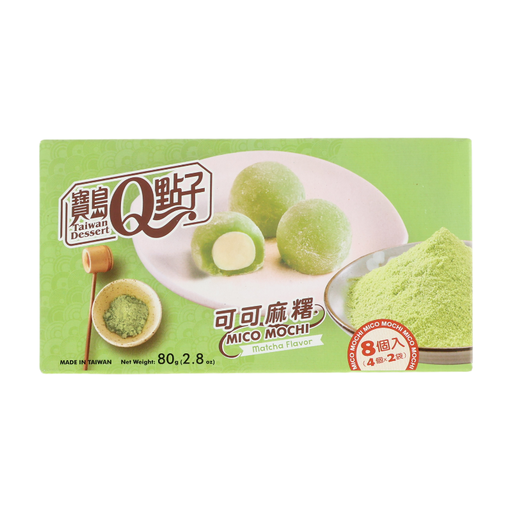
Why it's a great fit: Perfect for fans of mochi's unique, chewy texture. This Taiwanese dessert combines the soft glutinous rice shell with a creamy matcha filling and an outer cocoa layer for a multi-layered experience.
The ingredients list specifies a filling with milk powder and flavouring, suggesting a creamy, approachable taste. The combination with cocoa creates an interesting balance that doesn't rely solely on artificial matcha flavour.
Unique combination of chewy matcha mochi and a hint of cocoa. Individually wrapped for freshness and easy consumption.
We have compiled a complete, up-to-date list of products that fully meet these strict selection criteria and quality standards.
Although the two terms are often used interchangeably, there is a difference. Matcha is a finely ground powder made from specially grown and processed green tea leaves. Sweets labelled as "matcha" should contain this powder. "Green tea" sweets, on the other hand, might use extracts or infusions from other types of green tea, resulting in a different flavour profile.
Proper storage is crucial for maintaining freshness and texture. Matcha cookies should be kept in an airtight container in a cool, dry place to keep them crispy. Matcha mochi are more delicate; they should also be stored in a cool, dry place and consumed quickly after opening, as they can otherwise dry out and harden. Always follow the storage instructions on the packaging.
Authentic Japanese sweets with matcha are most commonly found in specialised Asian supermarkets or at well-stocked online retailers. Platforms that offer a wide range of imported foods are a great place to discover a diverse selection of Uji matcha products and other snacks that may not be available at local retail stores.