
Same-day & Next-day Delivery

Quality Guaranteed

Unlock Your Welcome Offers: FREE Delivery | Up to 80% OFF | Free 30-day JoyPlus trial
Download the APP
By the Joybuy Product Recommendation Officer, August 28, 2026
Finding authentic Matcha sweets can be a challenge. Many products boast vibrant green packaging and Japanese-inspired designs, but the contents often disappoint with excessive sweetness and an artificial taste. To help you avoid making the wrong choice, we'll highlight the most common pitfalls and show you what objective criteria to look for when you shop.
When buying Asian sweets online, consumers repeatedly encounter the same issues that lead to a disappointing taste experience.
To ensure you get a quality product that meets your expectations, you should check for three key features.
The most important information is found on the ingredients list. Pay attention to the exact term used: does it say "Matcha powder" (抹茶粉) or simply "flavouring"? A product containing real Matcha powder will list it explicitly. Some manufacturers even state the percentage, which can be an indicator of the flavour's intensity. Products that advertise Uji Matcha are referencing an origin known for high quality.
The world of Japanese sweets with Matcha is diverse. Your preference for a specific texture is crucial for making the right choice:
An authentic Matcha flavour is complex, not just sweet. Check the nutrition facts and the order of the ingredients. If sugar is listed first, it's highly likely that the sweetness will overpower the delicate Matcha taste. Authentic products aim for a balance where the tea's bitter notes are still perceptible.
Here are some recommendations tailored to different taste profiles and expectations.
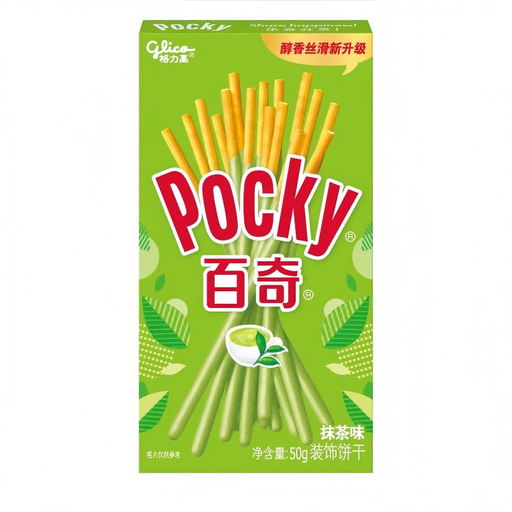
Why it's a good fit: Perfect for anyone trying Matcha sweets for the first time. The combination of a crispy biscuit stick and a creamy coating is very approachable and a world-renowned classic among Japanese snacks.
The ingredients list explicitly declares Matcha powder (10%). This ensures that real Matcha is responsible for the flavour, not just an artificial aroma.
Crisp texture combined with a creamy Matcha coating. An uncomplicated and easily portioned snack.
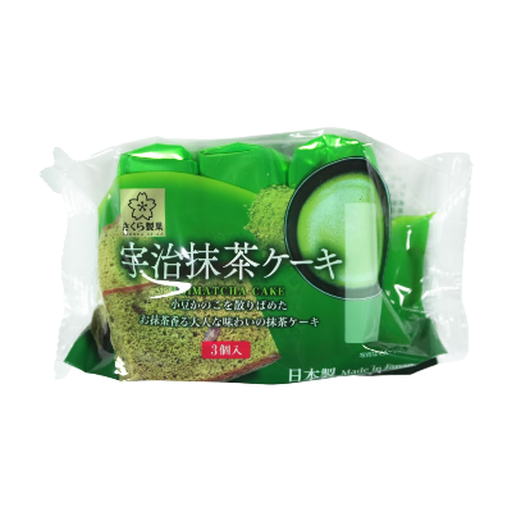
Why it's a good fit: For lovers of fine pastries seeking the authentic taste of high-quality Matcha in a traditional Japanese cake (Castella). The soft, moist texture is a delight.
The product explicitly names Uji Matcha as an ingredient. This avoids the pitfall of low-quality green tea powder and indicates a refined, less bitter flavour.
Soft and moist texture, typical of Castella cake. Balanced sweetness that doesn't overpower the delicate tea flavour.
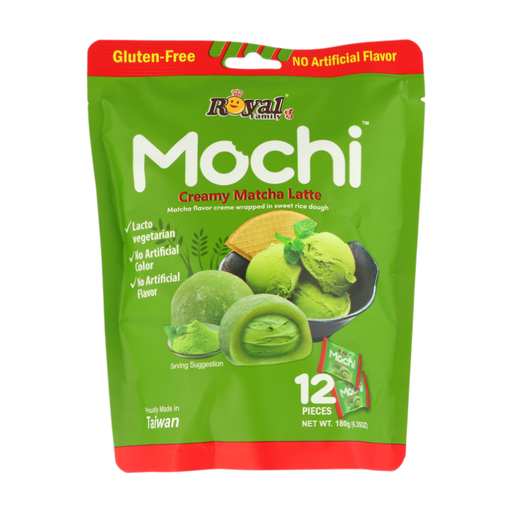
Why it's a good fit: Perfect for those who love the unique mouthfeel of Matcha mochi. The soft and chewy glutinous rice shell combined with a robust Matcha filling offers an authentic experience.
The name "Intense Matcha" and the mention of 3% Matcha powder in the ingredients indicate a focus on bold flavour rather than pure sweetness. It delivers the expected mochi texture.
Classic soft-and-chewy mochi texture. Individually wrapped, which preserves freshness and makes portioning easy.
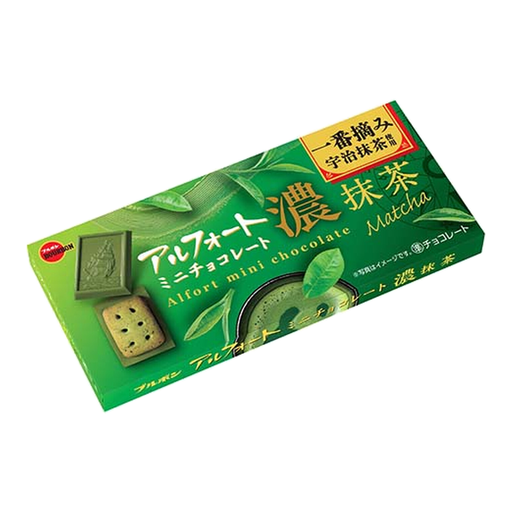
Why it's a good fit: For anyone who appreciates the combination of chocolate and tea. This product pairs a crispy whole-grain biscuit with a rich layer of Matcha chocolate.
The ingredients list specifies Matcha and cocoa butter, indicating the use of real chocolate and real tea, rather than a cheap, fat-based coating with artificial flavours.
A harmonious combination of a crispy biscuit and creamy chocolate. A balanced flavour profile between sweet and bitter.
We have compiled a complete, up-to-date list of products that meet these strict selection criteria and quality standards.
The term "Matcha" refers to finely ground powder from specially grown and processed, shade-grown green tea leaves. This gives it a vibrant green colour and a complex, sweet umami flavour. "Green tea snacks," on the other hand, may contain powder from other types of green tea (like Sencha), which is often more bitter and has a less intense colour. For an authentic experience, it's best to look for products that explicitly specify "Matcha."
Matcha mochi and other soft sweets should be stored in a cool, dry place, away from direct sunlight. After opening the package, it is recommended to keep them in an airtight container and consume them promptly, as they can otherwise dry out and lose their chewy texture. Refrigeration is usually not necessary and can even negatively affect the consistency. Always follow the storage instructions on the packaging.
The level of sweetness varies greatly from product to product. Traditional Japanese confectionery (wagashi) is often subtly sweetened to highlight the natural flavour of ingredients like Matcha or red beans. More modern snacks produced for an international market can be significantly sweeter. A look at the nutrition facts and the position of sugar on the ingredients list will give you a good indication before buying Matcha chocolate or choosing other snacks.